Denver Nuggets Lock In Rookie Bryce Hopkins on Two-Way Contract
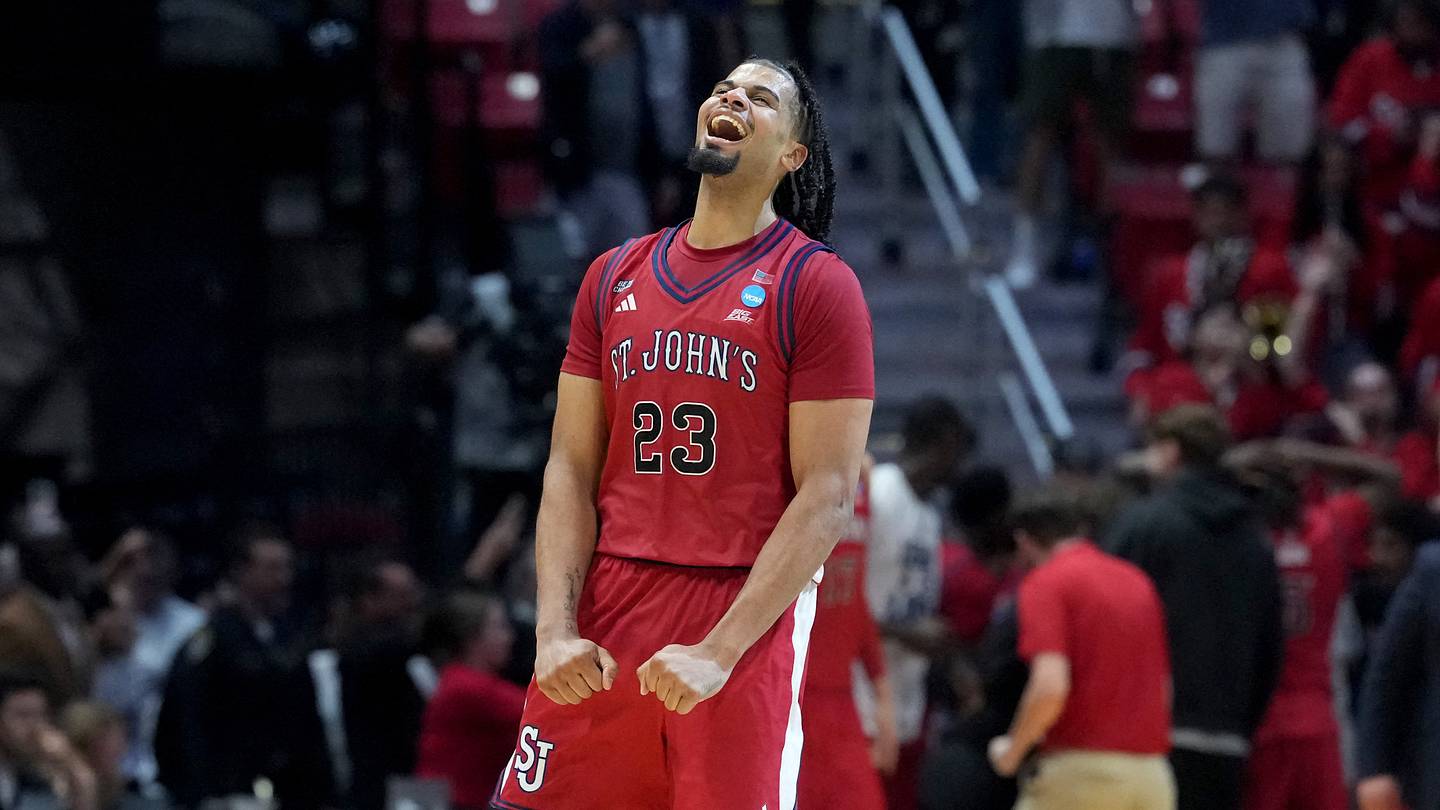
Source: SI NBA. Casualplayhub News adds summary, context, and editorial framing while linking back to the original report.
The Denver Nuggets have officially inked their second rookie from the 2026 NBA Draft, signing forward Bryce Hopkins to a two-way contract. The deal, first reported by HoopsHype's Michael Scotto and confirmed by Hopkins' agents, Mark Bartelstein and Reggie Brown of Priority Sports, brings the 49th overall pick into the fold after a protracted wait since June.
Hopkins, a versatile forward who spent his final collegiate season at St. John's after transferring from Providence, earned All-Big East honors twice during his career. He averaged 13.6 points, 6.2 rebounds, and 1.9 assists per game, shooting 46.9% from the floor and 36.3% from beyond the arc. His physical style and ability to impact both ends of the floor made him an intriguing prospect, but his path to regular NBA minutes remains a work in progress.
With the signing, Denver now has both of its 2026 draft picks under contract—Hopkins and 35th overall pick Trevon Brazile, who signed a traditional rookie deal earlier. The Nuggets entered the summer with a roster that was largely incomplete, especially after the addition of veteran DeMar DeRozan on a standard contract. Before Hopkins' agreement, only K.J. Simpson occupied a two-way slot, leaving the team with plenty of flexibility but also unfinished business.
Hopkins is not expected to be a rotation mainstay from day one. The Nuggets view him as a developmental project, likely to spend the bulk of the 2026-27 season with their G League affiliate, the Grand Rapids Gold. There, he can refine his perimeter shooting and defensive consistency—two areas scouts identified as key to his NBA readiness. His college numbers suggest promise: a 36.3% three-point clip on moderate volume, plus a knack for crashing the offensive glass. But translating that to the pro level will require time and reps.
Denver's front office, led by Calvin Booth, has a history of mining two-way contracts for value. Spencer Jones, who climbed from a two-way deal to a multi-year commitment, serves as a blueprint for Hopkins. The Nuggets now have two of their three allowable two-way spots filled, with one remaining. That final spot could go to a camp invitee or a veteran seeking a proving ground.
As for the traditional roster, Denver has 14 players on standard contracts, leaving one open slot. With salary cap constraints, the team is likely to fill that with a veteran minimum signing, possibly a wing or a backup big. The timeline for that move remains open, but training camp will provide clarity.
The Hopkins signing is a low-risk, high-upside move. It gives the Nuggets a young, hungry player who can develop in a structured environment while adding depth to a roster that needs young legs behind its core. Whether he becomes a rotation piece or a trade chip, the deal cements Denver's commitment to balancing immediate competitiveness with long-term growth.
Article commentary
The Denver Nuggets' decision to finally sign Bryce Hopkins to a two-way contract is a textbook example of how modern NBA teams manage second-round picks and roster flexibility. Hopkins, taken 49th overall in the 2026 draft, arrives with a solid college resume but clear limitations that will require patient development. The timing of the deal—nearly three months after the draft—highlights the often slow negotiations that can accompany late-round selections, especially when teams are juggling cap space, veteran additions, and the need to evaluate all options. From a strategic standpoint, Hopkins fits a pattern the Nuggets have established under general manager Calvin Booth. The franchise has shown a willingness to invest in two-way players who can contribute to the G League and eventually earn promotion. Spencer Jones' trajectory from two-way signee to a standard contract is the most prominent example, and Hopkins could follow a similar path if he proves his worth. His skill set—a forward who can stretch the floor, rebound, and defend multiple positions—aligns with what Denver values in its developmental pipeline. However, the immediate impact on the Nuggets' rotation is likely negligible. Denver's core remains built around Nikola Jokic, Jamal Murray, and Michael Porter Jr., with DeMar DeRozan adding a proven scoring option. The bench is still taking shape, but Hopkins is not expected to crack the rotation early. Instead, the team will rely on the Grand Rapids Gold to provide the consistent playing time he needs to sharpen his game. His three-point shooting (36.3% in college) is promising, but the volume and release speed will need to improve to keep defenses honest. Defensively, he must show he can stay in front of quicker NBA wings and absorb contact in the paint. Financially, the two-way contract is a no-brainer. It allows the Nuggets to retain Hopkins' rights without committing a guaranteed roster spot or salary cap hit. With one traditional roster spot still open, Denver can use that for a veteran minimum signing—perhaps a depth guard or a stretch big—to round out the group. The remaining two-way slot could be filled by an undrafted free agent or a training camp standout. One criticism is the lack of immediate roster clarity. The Nuggets have been slow to finalize their depth chart, and while Hopkins' signing is a step forward, the team still has holes. The Western Conference is deep, and Denver's margin for error is thin. Relying heavily on G League development for young players while the core ages is a calculated risk. If Hopkins can emerge as a reliable spot-up shooter and versatile defender by midseason, he could provide valuable minutes down the stretch. If not, he remains a low-cost asset with upside. Overall, the signing is a sensible, low-stakes move that underscores the Nuggets' commitment to building through the draft and player development. It does not move the needle for the 2026-27 championship chase, but it adds optionality for the future. The real test will come in how quickly Hopkins adapts to the professional game and whether the Nuggets can integrate him into their system. For now, the deal is a quiet but necessary step toward a complete roster.