Bulls Offer Kuminga a Deal, He Chooses Timberwolves
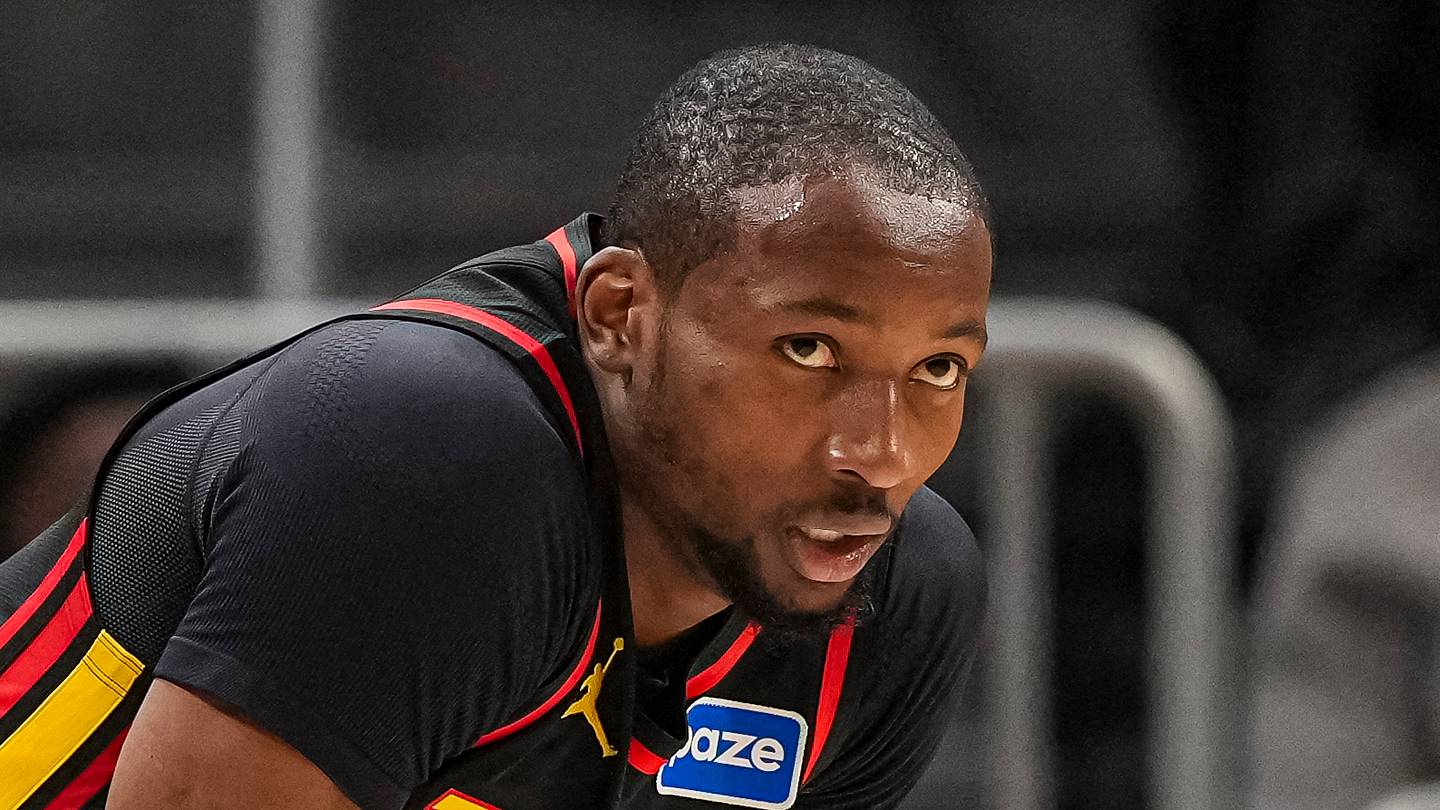
Source: SI NBA. Casualplayhub News adds summary, context, and editorial framing while linking back to the original report.
Just hours after reports surfaced linking Jonathan Kuminga to the Chicago Bulls, the free-agent forward found a new home—but not in the Windy City. The 24-year-old signed a two-way, $13.0 million deal with the Minnesota Timberwolves on Wednesday evening, according to ESPN's Shams Charania. The second season of the contract includes a player option, giving Kuminga control over his future.
The Bulls were among a handful of teams that made a serious push for the former Warriors lottery pick. The Los Angeles Lakers and Minnesota Timberwolves had long been viewed as the frontrunners, but after Bennedict Mathurin reportedly agreed to join the New Orleans Pelicans, Jake Fischer revealed that Chicago had emerged as a third team in the mix. Charania later confirmed the Bulls indeed submitted an offer. However, the Timberwolves' package proved more attractive, and Kuminga chose Minneapolis over Chicago, Los Angeles, and Portland.
For the Bulls, the pursuit reflects a front office willing to explore all avenues as they navigate a rebuild. Under the previous regime, Chicago was frequently linked to Kuminga, but those rumors had quieted over the past few months. With one open roster spot and a clear need for on-ball scoring, the Bulls saw Kuminga as a potential fit. His ability to attack in transition and pressure the rim aligns with the team's preference for long, athletic wings. And there's a personal connection: Bulls executive Bryson Graham previously acquired Kuminga from the Atlanta Hawks at the trade deadline, sending Kristaps Porzingis to the Hawks. Graham, who served as Atlanta's GM alongside Onsi Saleh, clearly values Kuminga's on-court contributions.
Yet the fit was never perfect. Kuminga remains an unproven floor spacer and thrives with the ball in his hands—a profile that could clash with the development of young forwards Matas Buzelis and Caleb Wilson. The Bulls are building around these two, and adding a player who needs touches to be effective might have stunted their growth. Graham's hesitation to match the Timberwolves' offer suggests he recognized this tension.
Charania noted that the Lakers offered similar money—$13 million over three seasons—but Kuminga still chose Minnesota. That implies the Bulls never reached that asking price, underscoring the discipline Graham has shown since taking over. Earlier in free agency, Chicago signed Norman Powell and Zach Collins to deals with team options, preserving flexibility for future moves. The same approach was likely applied to Kuminga and Mathurin, both of whom secured contracts with more control.
Now, with the roster still one player short, Graham may shift his focus. The Pelicans have been trying to move Jordan Hawkins, and the Bulls have the room exception to absorb his salary. With Mathurin now in New Orleans, the Pelicans might be even more willing to incentivize a trade. Graham, who has proven he can be patient, is ready to pick up the phone.
This episode tells us something important about the new Bulls front office: they are willing to enter the fray but not to overpay. They will chase young talent, but only on their terms. For a franchise in the early stages of a rebuild, that restraint might be the most valuable asset they have.
Article commentary
The Chicago Bulls' failed pursuit of Jonathan Kuminga is a revealing moment for the franchise's new direction under executive Bryson Graham. On the surface, missing out on a 24-year-old former lottery pick who can score in isolation and attack the rim seems like a missed opportunity. But a closer look suggests the Bulls' discipline may be exactly what they need. Graham inherited a team in flux. The Bulls have been stuck in mediocrity for years, and the mandate is clear: tear down and rebuild properly. That means accumulating assets, maintaining salary-cap flexibility, and avoiding the temptation to overpay for marginal improvements. Kuminga fits the profile of a player who could develop into a starter, but he is not a sure thing. His shooting remains inconsistent, and he has never been a plus defender on the wing. Paying him $13 million—even on a two-way deal—would have committed the Bulls to a player who might not complement their core of Matas Buzelis and Caleb Wilson. Graham's decision to walk away, even after making an offer, shows he is prioritizing long-term fit over short-term excitement. This approach was evident in Chicago's other free-agent moves. Signing Norman Powell and Zach Collins with team options gives the Bulls control without locking in multiyear commitments. That flexibility could be crucial for absorbing contracts like Jordan Hawkins from the Pelicans—a younger, cheaper asset who might benefit from a change of scenery. Graham has signaled he is willing to take on dead money if it comes with draft picks or young players, a strategy that has worked for rebuilding teams like the Thunder and Rockets. Critics might argue that the Bulls should have been more aggressive in landing Kuminga, especially given the modest contract. But the league is littered with teams that overpaid for role players during a rebuild, only to find themselves stuck with bloated salaries and no clear path forward. Graham's refusal to match the Timberwolves' offer—even after the Lakers offered similar money—suggests he had a specific valuation and stuck to it. Another angle is the potential chemistry issue. The Bulls are building around Buzelis and Wilson, both of whom need the ball to develop. Adding Kuminga, who also requires touches to be effective, could have created a logjam. Graham's experience with Kuminga in Atlanta likely gave him a firsthand understanding of the player's strengths and limitations. He chose not to force a reunion. Looking ahead, the Bulls' final roster spot remains a valuable tool. They could use it to take on a salary dump, acquire a young prospect, or even wait for the buyout market. The Pelicans' desire to move Hawkins, combined with the Bulls' room exception, makes for a logical next step. If Graham can turn that open roster spot into a future asset, the Kuminga miss will be a footnote in a larger, smarter rebuilding plan. Ultimately, the Kuminga saga is a test of patience. The Bulls' fan base has suffered through years of mediocrity, and the temptation to chase quick fixes is strong. But Graham's restraint offers hope that this time, the rebuild will be done right. It may not be flashy, but it could be effective.