Kuminga's Timberwolves Pact Exposes Warriors' Reckless Gamble
Source: SI NBA. Casualplayhub News adds summary, context, and editorial framing while linking back to the original report.
Ad eligibility review: sensitive-topic
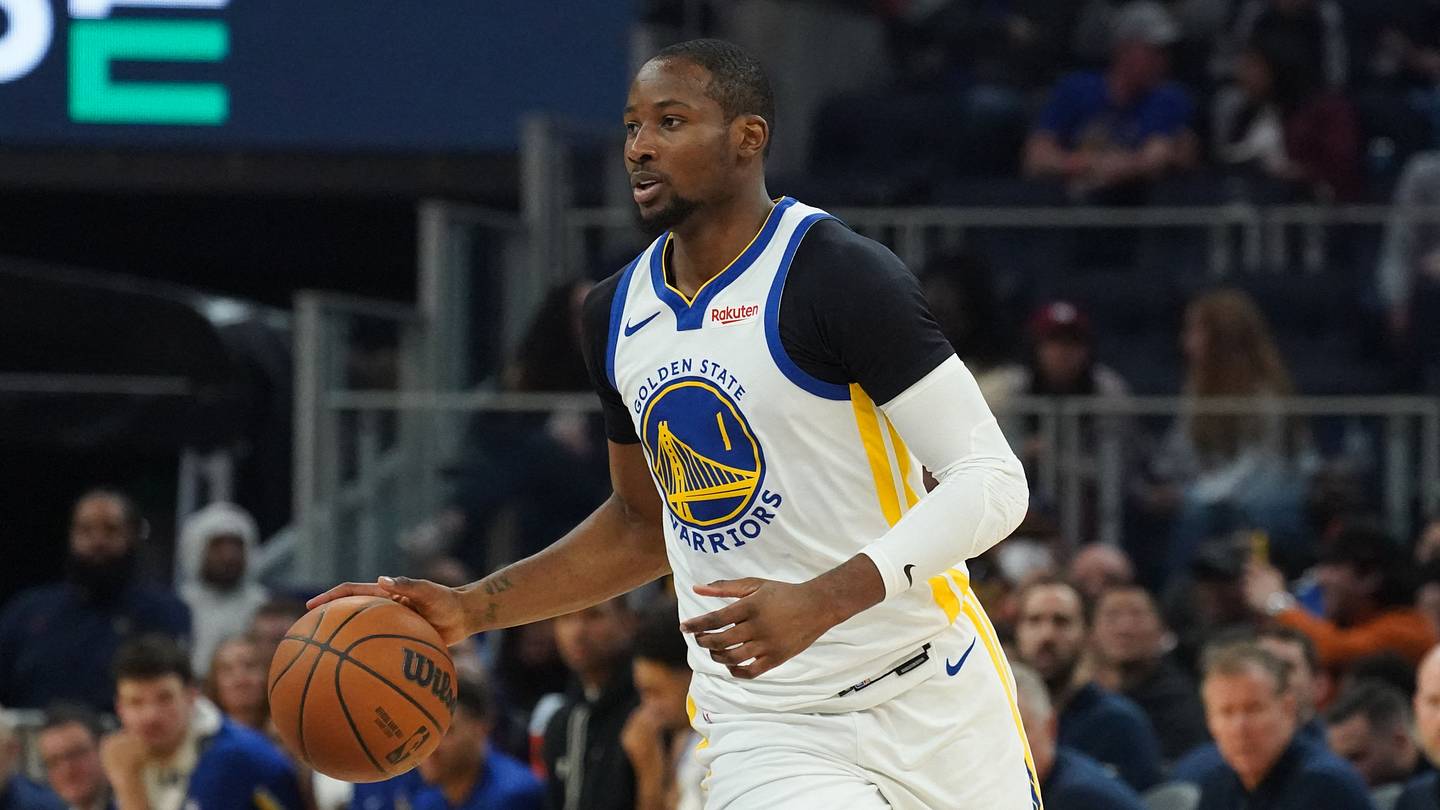
Jonathan Kuminga's decision to sign a two-year, $12.4 million contract with the Minnesota Timberwolves on Wednesday sent shockwaves through the NBA, particularly among Golden State Warriors fans who watched the young forward's value plummet. The deal, which maxes out at the taxpayer mid-level exception, pays Kuminga $6.1 million in the first season and comes with a team option for the second year. It is a far cry from the $75.2 million offer he turned down from the Warriors just last offseason.
To understand how Kuminga ended up in this position, we need to revisit the protracted negotiations between him and the Warriors in 2025. According to reports from ESPN's Shams Charania and Anthony Slater, the talks were anything but smooth. General manager Mike Dunleavy Jr. first offered Kuminga a two-year, $45 million deal with a team option on the second season. Kuminga rejected it, seeking either a higher average annual value or a player option. Dunleavy then upped the ante to three years and $75.2 million, again with a team option on the final season. Kuminga turned that down too, unwilling to accept a structure that gave the team control over his future. Owner Joe Lacob, wary of losing Kuminga for nothing in free agency, vetoed a "balloon" one-year deal. Eventually, the two sides agreed on a two-year contract worth up to $48.5 million, with a team option in the second season.
In hindsight, it is clear that Kuminga should have accepted the $75.2 million offer. He ended up with a team option anyway, at a similar average annual salary, but with over $20 million less in guaranteed money. This offseason has confirmed that the league does not value Kuminga anywhere near that $75.2 million figure. The Warriors' offer, which many considered generous at the time, now looks reckless. It was a gamble that could have saddled the franchise with a massive contract for a player who has not lived up to expectations.
What if Kuminga had accepted that offer? It is impossible to know for sure, but the implications are worth considering. The Georgia Hawks, who eventually traded for Kuminga, did so largely because he was on an expiring contract. They promptly declined his team option, allowing him to test free agency. If Kuminga had been guaranteed $25 million-plus for the 2026-27 season, it is hard to imagine the Hawks making the same deal—giving up Kristaps Porzingis. More likely, Kuminga would still be a Warrior, demanding a trade while the front office scrambled to find a suitable partner.
The entire Kuminga saga casts a shadow over the Warriors' front office. It is not just about the 2025 negotiations, but also about the organization's broader strategy. The Warriors invested heavily in Kuminga as their next star, reportedly turning down multiple trade offers in the process. Yet here he is, entering his sixth season, taking a two-year, $12.4 million deal. That is a stark fall from grace. To be fair to Dunleavy, Bob Myers was the general manager when Kuminga was drafted seventh overall in 2021. Since taking over, Dunleavy has shown a sharp eye for talent, hitting on Brandin Podziemski, Quinten Post, and Will Richard, with Yaxel Lendeborg's summer league performance offering early promise. But the Kuminga era, whoever is to blame, was a mess. The $75.2 million offer stands as a glaring reminder of that miscalculation.
Article commentary
The Jonathan Kuminga contract saga is a case study in the dangers of overvaluing potential. When the Warriors offered Kuminga $75.2 million last offseason, they were betting on a player who had shown flashes but never consistency. The gamble was that he would develop into a star, justifying the hefty price tag. Instead, the market has spoken: Kuminga is worth the mid-level exception, not a max or near-max deal. The Warriors, by dangling that offer, revealed a front office that was either too optimistic or too desperate to hold onto a young asset. From a strategic standpoint, the offer was reckless. It tied up significant cap space for a player who had not earned it. The team option in the third year gave the Warriors some protection, but it also created a high-risk scenario. If Kuminga had accepted, they would have been stuck with a contract that would have been difficult to trade. The fact that Kuminga eventually took a similar structure but for much less money only underscores the leverage the Warriors had all along. They could have simply waited and let the market dictate his value, rather than preemptively offering a deal that was far above what any other team would have given. The broader lesson here is about the importance of discipline in contract negotiations. The Warriors, perhaps feeling the pressure to find a successor to Stephen Curry, Klay Thompson, and Draymond Green, rushed to anoint Kuminga as the next cornerstone. But the NBA is littered with examples of players who never lived up to early hype. The Hawks, by contrast, played it smart. They acquired Kuminga on an expiring deal, declined his option, and let him walk. They did not overpay for potential. This episode also raises questions about the Warriors' player development system. Kuminga had three seasons in Golden State to establish himself, but he never consistently broke into the rotation. Coach Steve Kerr's demanding system may have hindered his growth, but the front office's belief in him never wavered—until now. The disconnect between the coaching staff's usage and the executive's valuation is a red flag. Looking ahead, the Warriors need to reassess their approach. They have made some savvy moves recently, drafting well and finding value in the second round. But the Kuminga mistake should serve as a cautionary tale. Overpaying for potential can backfire spectacularly, especially when the player's market value is far lower than the organization's internal valuation. The Warriors dodged a bullet when Kuminga turned down the $75 million, but the fact that they made that offer in the first place suggests a lack of market awareness. For a franchise that has prided itself on smart, forward-thinking management, the Kuminga saga is a blemish on an otherwise impressive track record.