Pennsylvania Police Kill College Student After Wrong House Visit
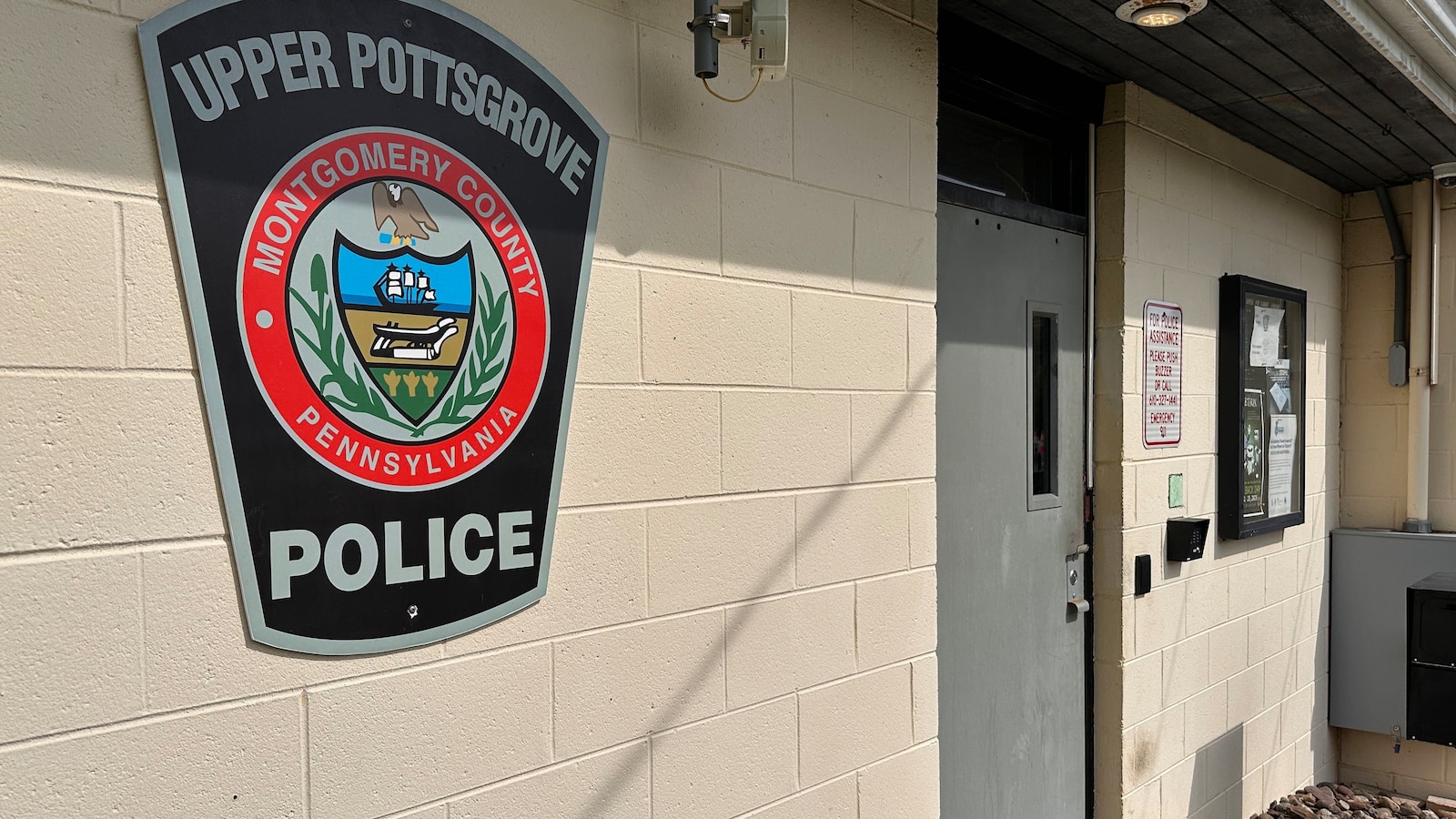
Source: ABC News US. Casualplayhub News adds summary, context, and editorial framing while linking back to the original report.
A 22-year-old college student, Glenwood Pysher IV, was fatally shot by police in Upper Pottsgrove Township, Pennsylvania, early Sunday morning after he mistakenly approached the wrong house while looking for a friend's home. The incident has left his family grasping for answers, with his father, Glen Pysher, describing a chain of events that turned a simple error into a tragedy.
The young man had been out with friends, visiting several bars before the group decided to split up for the night at two different homes. Glenwood, who was about to begin his senior year at Saint Elizabeth University in New Jersey, took a wrong turn in the woods and ended up at a house he believed belonged to his friend. According to his father, Glenwood tried the door handle, startling the homeowner. He then announced, "Hey! Open the door!" thinking he was at the right place. Realizing his mistake, he sat down on the back porch and contacted his friends, who were on their way to retrieve him.
At 12:30 a.m., police received a 911 call reporting a possible break-in attempt. Officers arrived at the scene four minutes later, at 12:34 a.m. Montgomery County dispatch records show. Glenwood was on a FaceTime call with his friends at 12:32 a.m., and they expected him to be arrested for public drunkenness. Instead, he was shot at 12:35 a.m. His father questioned the sequence of events, asking, "What kind of encounter could have ensued? What kind of communication could that officer have given him?"
Glenwood was unarmed, carrying only a phone, a backpack with clothes, and a few beers. The Montgomery County District Attorney's office confirmed that police found him at the rear of the home and shot him. The Upper Pottsgrove Township Police Chief, Al Werner, declined to provide details, including the names of the officers involved, until the investigation by the Montgomery County Detective Bureau is complete.
The tragedy stands in stark contrast to other cases where homeowners have shot people who mistakenly showed up at their doors. In this instance, it was law enforcement who fired the fatal shots. Glenwood's father described him as a kindhearted, loving young man who could be a "knucklehead" but was always willing to help others. He was a baseball player at Saint Elizabeth University, aiming to become a high school history teacher and coach.
Since the shooting, former teammates and coaches have reached out to share memories. One young man texted Glen Pysher, saying, "I was going through a lot of really difficult things in my life. I was going the wrong way. And your son is the one who helped me put my life on track." The father expressed deep grief, noting that his son "will be sadly missed in his community."
Police have provided the family with almost no information. On Wednesday, Glen Pysher asked if he could retrieve his son's favorite pair of black shoes to bury him in. Initially told it could be arranged, he later received a call back saying they would have to think about it. "They don't know if they can give them to me," he said.
The investigation continues, and the district attorney's office has not released further details. The family is left waiting for transparency and accountability in a case that has shaken their community and raised questions about police response to non-threatening situations.
Article commentary
The killing of Glenwood Pysher IV by police in Pennsylvania underscores a troubling pattern of law enforcement escalation in situations that appear to involve no immediate threat. The facts, as presented by the family and supported by dispatch records, paint a picture of a young man who made a simple navigational error, realized his mistake, and was waiting peacefully for friends to pick him up. He was unarmed, and his only interaction with the homeowner was an attempt to open the door and a verbal announcement. Within minutes of police arrival, he was dead. This incident is particularly jarring because it diverges from the more common narrative of homeowners using deadly force against mistaken visitors. Here, the state itself, through its police officers, used lethal force against someone who posed no apparent danger. The Montgomery County District Attorney's office has stated that police found Pysher at the rear of the home and shot him, but the precise sequence of events leading to the shooting remains unclear. The lack of transparency from the Upper Pottsgrove Township Police Chief, who refused to release any information until the investigation is complete, only fuels public distrust. The timeline raises critical questions. The 911 call was made at 12:30 a.m., officers arrived at 12:34 a.m., and Pysher was shot at 12:35 a.m. That leaves a window of roughly one minute for officers to assess the situation, issue commands, and decide to use deadly force. Given that Pysher was seated on the back porch and on a FaceTime call with friends, it is reasonable to ask whether officers attempted de-escalation or gave clear verbal warnings. His father's question about what communication could have occurred in such a short time is valid. This case also highlights the broader issue of police response to mental health or mistaken-identity calls. Many departments have adopted crisis intervention training and de-escalation protocols, but their implementation remains inconsistent. The fact that Pysher was a college student, unarmed, and in a state of confusion should have signaled a low-risk encounter. Instead, the outcome was fatal. From a societal perspective, the tragedy serves as a reminder of the human cost of split-second decisions made by law enforcement. The family's grief is compounded by the lack of information and the apparent reluctance to return personal belongings. The request for a pair of shoes to bury him in, met with hesitation, symbolizes the bureaucratic disconnect from the human tragedy. While the investigation may eventually provide clarity, the initial accounts suggest a failure of judgment. The distinction between this case and others where homeowners have shot mistaken visitors is that police are trained to handle such situations with restraint. The burden of proof lies with the authorities to demonstrate that the use of deadly force was justified. Until then, the community and the family are left with more questions than answers.