Thunder's Future: Championship Contenders Now and Beyond
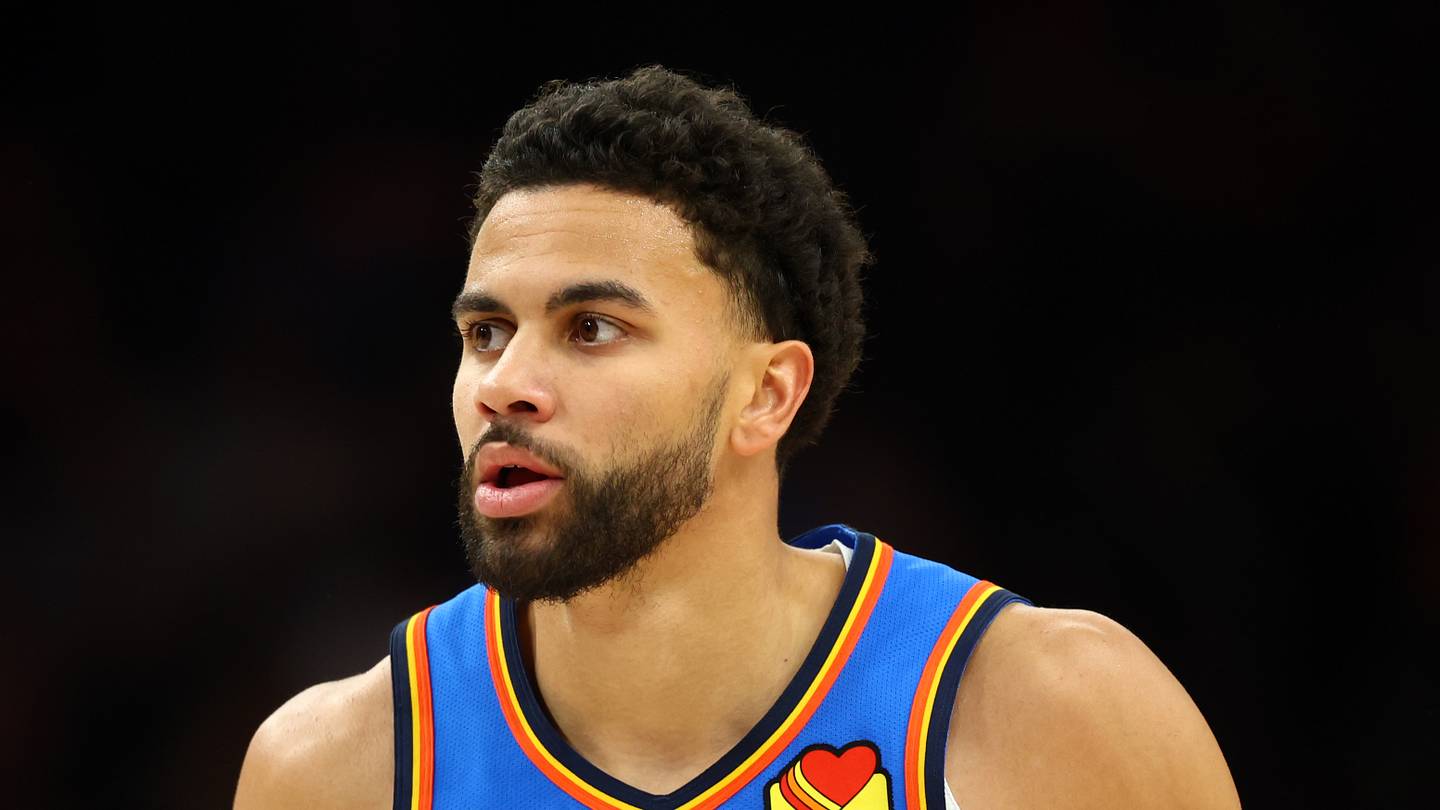
Source: SI NBA. Casualplayhub News adds summary, context, and editorial framing while linking back to the original report.
The Oklahoma City Thunder enter the upcoming season with a blend of immediate ambition and long-term vision. After a surprising run to the Western Conference semifinals last year, the team is widely regarded as a legitimate championship contender. The core of Shai Gilgeous-Alexander, Chet Holmgren, and Jalen Williams has already proven it can compete with the league's elite. Gilgeous-Alexander, a perennial MVP candidate, averaged over 30 points per game last season, using his crafty handle and relentless drives to the rim. Holmgren, after a stellar rookie campaign, has added strength and is expected to become a dominant two-way force. Williams, when healthy, provides versatile scoring and defense, making him the perfect complement. The front office made deliberate choices this offseason, allowing several players to depart while retaining the essential pieces. The depth is bolstered by the continued growth of Cason Wallace, who has already earned a reputation as one of the most disruptive defensive guards in the league. Wallace's ability to pressure ball handlers and hit open shots makes him a valuable rotation asset. Another name to watch is Ajay Mitchell, a second-round pick who impressed in summer league with his size, vision, and scoring instincts. The Thunder also added three rookies in the draft, further stockpiling young talent alongside veterans like Isaiah Joe and Kenrich Williams. This mix gives head coach Mark Daigneault flexibility to experiment with lineups and maintain a high level of play throughout the season. Bleacher Report's three-year power ranking places Oklahoma City second, trailing only the San Antonio Spurs. The Spurs have assembled a young core led by the generational talent Victor Wembanyama, along with promising players like Stephon Castle and Dylan Harper. The Thunder's edge, however, lies in experience. Gilgeous-Alexander has been through multiple playoff battles, and Holmgren and Williams have already tasted postseason action. The Spurs, while talented, are still a year or two behind in their development curve. Yet the future is never guaranteed. Injuries, player development, and roster moves can shift the landscape quickly. The Thunder must avoid complacency. They have the assets to make a big trade if needed, but the current group has shown enough to believe they can contend for the next several years. The key will be health and continued growth from the young players. If everything clicks, Oklahoma City could be a dynasty in the making. If not, they still have the flexibility to pivot. The Thunder's front office has built a roster that is both competitive now and sustainable for the long haul. That is a rare luxury in the NBA. The coming season will be a test of whether this young core can turn potential into championships.
Article commentary
The Oklahoma City Thunder find themselves in an enviable position rarely seen in professional sports: a team that is both a legitimate title contender today and possesses the assets to remain relevant for years. Their roster construction, led by a front office that has accumulated draft picks and developed young talent, offers a blueprint for sustainable success. Yet the path to sustained dominance is fraught with challenges. The Western Conference is a gauntlet, featuring deep teams like the Denver Nuggets, Minnesota Timberwolves, and Dallas Mavericks, all of whom have their own championship aspirations. The Thunder's reliance on young players—Shai Gilgeous-Alexander, Chet Holmgren, and Jalen Williams—means their ceiling is high, but so is the risk of inconsistency, especially in the high-pressure environment of the playoffs. Injuries remain a concern: Holmgren missed an entire season before his rookie year, and Williams has dealt with nagging issues. The team's depth, while promising, lacks proven playoff contributors beyond the core. Another factor is the looming financial squeeze. As these young stars reach their next contracts, the Thunder will face luxury tax decisions. Their small-market status could make it difficult to retain all three if they command max deals, though the organization's draft capital provides trade options. The rivalry with the San Antonio Spurs adds another layer of intrigue. Victor Wembanyama's generational talent, combined with Stephon Castle and Dylan Harper, gives the Spurs a similar trajectory. The Thunder have the experience edge now, but the Spurs could leapfrog them if development accelerates. Coaching will play a critical role. Mark Daigneault has fostered a culture of accountability and player growth, but he must also manage egos and minutes as the team's window widens. The Thunder's ability to avoid complacency will be tested. They have the pieces to run the league, but the NBA is littered with teams that had bright futures and failed to capitalize. The margin for error is slim. Ultimately, Oklahoma City's future is bright, but it is not guaranteed. The next two to three years will determine whether this group becomes a dynasty or a cautionary tale of potential unfulfilled. The Thunder must prove their mettle on the court, one game at a time.