Kuminga's Timberwolves Deal Simplifies Hawks' Offseason
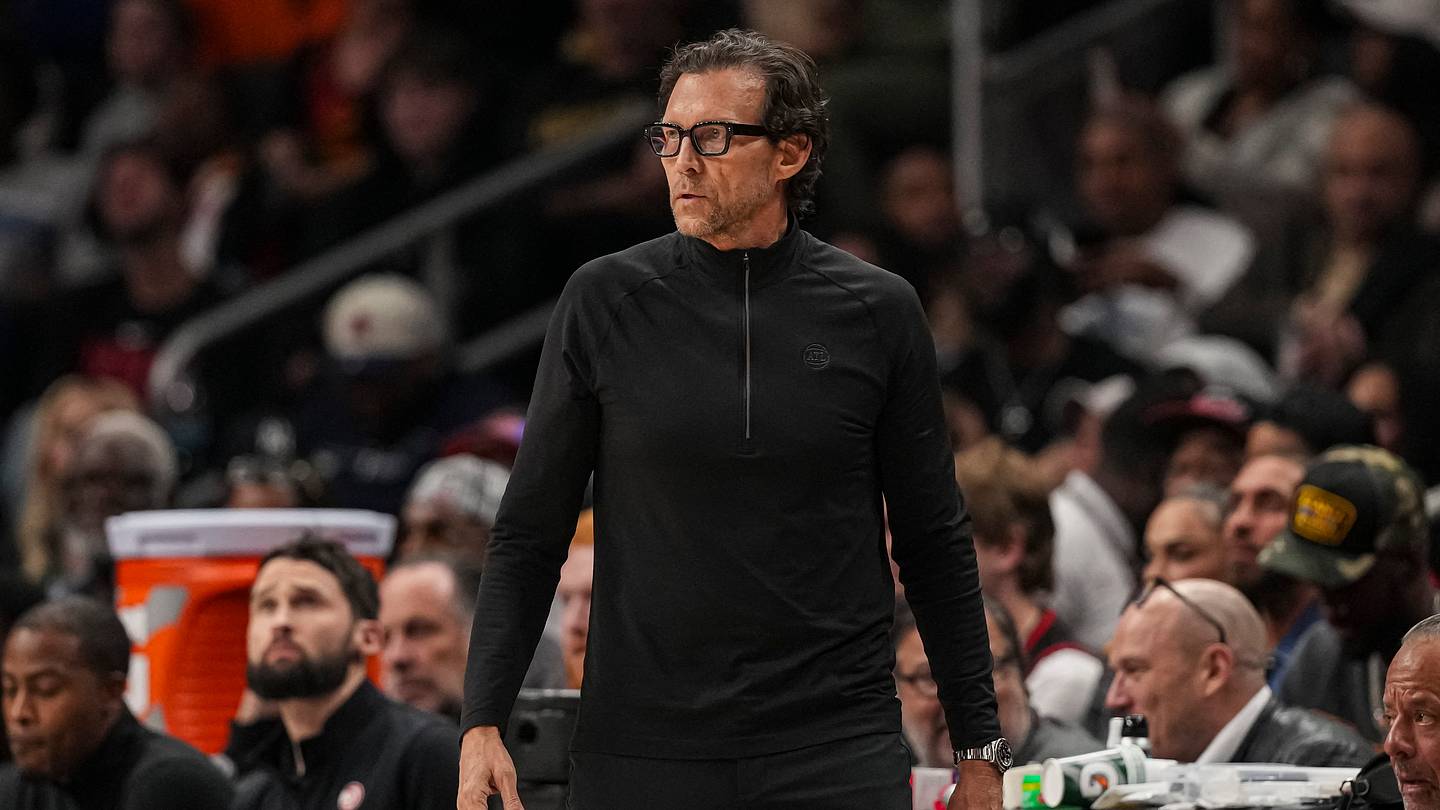
Source: SI NBA. Casualplayhub News adds summary, context, and editorial framing while linking back to the original report.
The Atlanta Hawks just crossed off a major item on their offseason to-do list: Jonathan Kuminga has decided his future. The 23-year-old forward inked a two-year, $13 million deal with the Minnesota Timberwolves, a contract that includes a player option in the second year. Multiple teams—including the Lakers, Cavaliers, Clippers, Bucks, Bulls, and Trail Blazers—had expressed interest in Kuminga as a free agent, but he ultimately chose Minnesota without a sign-and-trade. Now, the Hawks' front office can focus on the only remaining task: trimming their roster from 17 players down to the league-mandated 15 before the regular season tips off.
This roster crunch stems from the team's decision to trade for Luguentz Dort and Ryan Nembhard earlier this offseason. Those acquisitions pushed the player count to 17, and while the Hawks have plenty of time before opening night, they must eventually resolve the logjam. The likely candidates to be moved or waived are Corey Kispert, Buddy Hield, Devin Carter, Mouhamed Gueye, or Ryan Nembhard. Two important dates could shape the Hawks' strategy: August 30, when Carter becomes eligible to be traded, and September 19, when Nembhard can be dealt. However, neither player is expected to bring back a significant return in a trade.
Atlanta would probably prefer to move Kispert or Hield, but both present challenges. Kispert signed a contract that pays him more than his current production suggests, and he has multiple years left on that deal. Around the league, his contract is not viewed as a desirable asset. Moving him might require attaching multiple second-round picks or even a protected first-rounder—a price the Hawks may be unwilling to pay. Hield, meanwhile, is on an expiring contract, but his recent performances have not shown he can contribute to an NBA rotation. With a salary of $9.6 million, few teams would be eager to take him on if he cannot play meaningful minutes.
Younger options like Nembhard, Carter, and Gueye could be traded or simply waived, given their smaller salaries. Gueye, in particular, might be worth keeping as a developmental piece. The Hawks have no clear-cut answer yet, but they have time to evaluate their options. Training camp will provide a clearer picture of which players fit into the team's plans. For now, the front office must weigh the cost of moving a veteran like Kispert against the potential of stashing a young player. The next few weeks will determine how Atlanta's final roster shapes up, and the decisions made could have ripple effects on the team's depth and flexibility for the season ahead.
Article commentary
The Jonathan Kuminga decision effectively closes one chapter of the Atlanta Hawks' offseason and opens the final one. With Kuminga off the board, the Hawks now face a straightforward but thorny roster crunch. The team has 17 players under contract, and they must cut to 15 before the regular season begins. While that sounds like a simple numbers game, the reality is far more complex, given the contracts and trade value of the players involved. Kuminga's choice to sign with Minnesota for a two-year, $13 million deal—with a player option—was a surprise to some, given the interest from several teams. For the Hawks, the outcome was neutral. They had no direct involvement in his free agency, but they were waiting to see if a sign-and-trade possibility emerged that could have affected the market. With Kuminga gone, the Hawks can now focus internally. The central challenge is unloading Corey Kispert's contract. Kispert is overpaid relative to his production, and with multiple years left, moving him will require assets. The Hawks are unlikely to part with future draft capital just to shed salary, especially when they could simply waive a cheaper player. Buddy Hield's expiring deal is easier to move in theory, but his declining play makes him a tough sell at $9.6 million. The team might be better off eating the cost and keeping him as an insurance policy, or including him in a larger trade down the line. Younger players like Ryan Nembhard, Devin Carter, and Mouhamed Gueye offer more flexibility. Their smaller salaries make them easy to trade or waive, but they also have potential. Gueye, in particular, is an intriguing developmental piece. The Hawks could decide to keep him and move one of the veterans instead. The trade eligibility dates for Carter (August 30) and Nembhard (September 19) give the front office a timeline to work with. Ultimately, the Hawks are in a position of relative strength. They have depth, but not necessarily the right kind. The roster crunch is a manageable problem, and the team can afford to wait for the right opportunity. The most likely scenario is that they waive a low-salary player or execute a minor trade to clear a spot. The bigger question is whether they will use this opportunity to reshape their bench for the long term or simply make a short-term fix. Either way, the final decision will signal the Hawks' direction heading into training camp. The offseason is nearly complete, and the real work begins now.