Gen Z’s Bedazzling Craze Becomes the Latest Lipstick Index
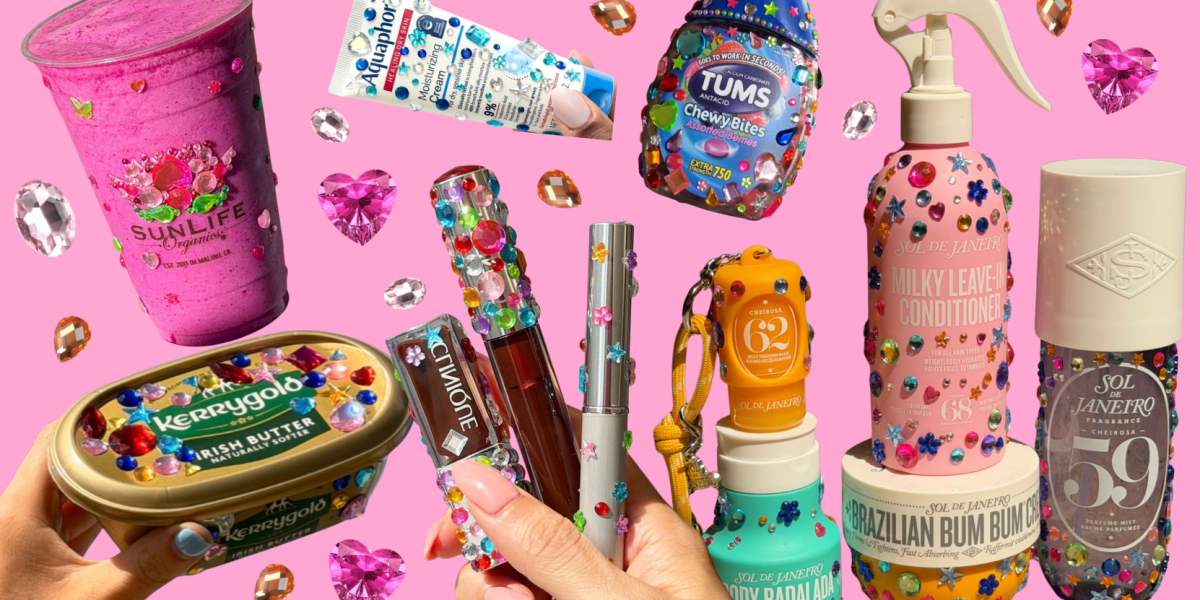
Source: Fortune. Casualplayhub News adds summary, context, and editorial framing while linking back to the original report.
A wave of rhinestone-covered everyday objects is sweeping social media, and brands from Starbucks to Sephora are scrambling to catch the sparkle. The trend, often called “whimsymaxxing,” involves meticulously gluing colorful plastic gems onto coffee cups, skincare products, phone cases, and even puppies. It’s a visual movement that blends nostalgia, affordability, and viral marketing—and it’s proving to be a powerful tool for connecting with Gen Z consumers.
The phenomenon gained mainstream traction earlier this month when Kylie Jenner posted an Instagram carousel of her 29th birthday party. Known for lavish yacht excursions and private venue rentals, Jenner instead opted for rhinestone decorations on plastic cups and one of her two birthday cakes. The low-cost, arts-and-crafts aesthetic—gems easily found at Target or Michael’s—stood in sharp contrast to her usual displays of wealth. The post went viral, and brands quickly followed suit.
SunLife Organics, a California health-food brand selling smoothies from $15 to $42, released rhinestone-studded cups that drew new customers into stores. Brand manager Euan Franco told Fortune that guests started asking specifically for bedazzled cups after seeing the Instagram post. Franco enlisted employees at a Bee Cave, Texas, location—where staff had already been adding gems to cups for months—to create a photoshoot. The post earned 1,500 likes, more than triple the brand’s typical engagement.
Beauty giant Sephora joined the craze with an Instagram video featuring a woman applying a Biodance face mask and then embellishing it with plastic gems. The post received over 165,000 likes and 2.5 million views. Competitor Ulta Beauty responded with images of bedazzled moisturizers, perfumes, shampoo, and lip balm, captioned “Us and our bedazzle kit against the world,” earning nearly 15,000 likes.
Economists view the rhinestone trend as a contemporary lipstick index—the theory that during economic downturns, consumers cut big expenses but treat themselves to small luxuries like lipstick or, now, rhinestones. The trend also taps into Y2K nostalgia; Pinterest searches for “y2k it girl” have surged 141% since 2024, according to a 2025 Pinterest report. Professional social media manager Jalyn Marshall noted that the product becomes secondary to the experience and shareability. “Someone may not have been thinking about buying a specific iced latte, face mask, or lip product, but once it becomes part of a fun trend they can recreate or post, there’s suddenly another reason to buy it,” she told Fortune.
As inflation rises and entry-level hiring slows, Jenner’s shift from private jets to rhinestone-adorned everyday items helps her remain relatable to an audience facing economic uncertainty. The bedazzling craze isn’t limited to food and beauty. New York City-based loungewear retailer Roller Rabbit released a TikTok ad featuring models in pajama sets with bedazzled logo bags and gemstoned coffee cups, captioned “making life a little more whimsy.” Google searches for “whimsy” hit an all-time high of 100 in early July, and Google shopping under that term has increased over 300% in five years.
Individual creators are also capitalizing. Liv Reese, a New York content creator with over 100,000 followers, glued rhinestones to a Dunkin’ Donuts cup, facemask, and eye patches. Her Reel generated nearly ten times the likes of her normal posts. “As a creator, I’m always trying to jump on the next trend,” Reese told Fortune. “I just started to see it everywhere. Kylie Jenner had a moment for her birthday party and had a whole bedazzled cake.”
Gen Z is an increasingly influential consumer force. The cohort has more than doubled its market share since 2020 and is expected to reach $12 trillion in purchasing power by 2030. In the U.S., women made up 59% of discretionary general merchandise last year, according to Circana. “Female-focused products are inspiring spending with front-and-center marketing that taps into lifestyle and fashion,” wrote Marshal Cohen, chief retail industry advisor at Circana. “As goes the female shopper, so goes retail.”
Women now hold more payroll jobs than men in the U.S., a milestone seen only three times before—during the Great Recession and just before the Covid-19 pandemic. Brands are keenly aware of this shift. By focusing on young women’s interests and social media trends, companies can profit from the rise in discretionary spending among this demographic. The bedazzling trend, with its blend of affordability, nostalgia, and shareability, exemplifies how retailers are adapting to a new wave of consumer behavior driven by Gen Z’s craving for personality and creativity.
Article commentary
The rhinestone bedazzling trend offers a fascinating lens through which to examine current consumer psychology and economic behavior. At its core, this phenomenon is a textbook example of the lipstick index—a concept that historically predicts increased sales of small luxuries during economic uncertainty. Yet the bedazzling craze goes beyond simple economic correlation; it captures a deeper cultural shift toward nostalgia, analog aesthetics, and the power of social media virality. What makes this trend particularly noteworthy is its alignment with the broader “whimsymaxxing” movement, which represents a deliberate turn away from the sleek, minimalist branding that dominated the 2010s. Younger consumers, especially Gen Z, are gravitating toward products that feel personal, handmade, and visually playful. This is not merely about buying a cup of coffee or a face mask—it’s about participating in a shared, creative experience that can be photographed, posted, and commented on. The product itself becomes a prop in a larger narrative of self-expression and community belonging. Economically, the timing of the trend is significant. With inflation persistently high and entry-level hiring slowing, many young consumers are tightening their budgets. Bedazzling offers a cheap way to upgrade everyday items, and the low cost of rhinestones—easily available at dollar stores or craft aisles—makes the trend accessible to a wide demographic. This democratization of luxury is a key reason why brands like SunLife Organics and Sephora are seeing engagement spikes. The viral posts cost little to produce but generate outsized returns in likes, shares, and foot traffic. From a marketing perspective, the bedazzling trend highlights the growing importance of female consumers, who account for 85% of all purchases and dominate discretionary spending. Brands that successfully align with female-driven aesthetics—whether through “clean girl,” “coastal cowgirl,” or now “whimsymaxxing”—are reaping rewards. The trend also underscores the power of influencer culture, particularly figures like Kylie Jenner, whose pivot from overt opulence to relatable rhinestones signals a shift in what aspirational content looks like. In an era of economic anxiety, relatability sells better than excess. However, the longevity of the bedazzling craze remains uncertain. Social media trends are notoriously fickle; what goes viral today may be forgotten tomorrow. The lipstick index itself is a short-term indicator, not a long-term economic strategy. Brands that invest heavily in this aesthetic run the risk of appearing out of touch once the trend fades. Yet the underlying desire for personality, nostalgia, and analog experience is likely to persist. The bedazzling craze may be the latest iteration, but it reflects a permanent shift in how younger generations engage with consumer goods—seeking not just products, but moments of joy and creativity in an otherwise uncertain world. In conclusion, the rhinestone trend is a vivid snapshot of today’s economy: a blend of caution and indulgence, nostalgia and innovation, corporate strategy and grassroots creativity. It demonstrates that even in times of financial strain, the human desire for beauty and playfulness finds a way to shine—one plastic gem at a time.