Border Construction Pause Extended at Big Bend National Park
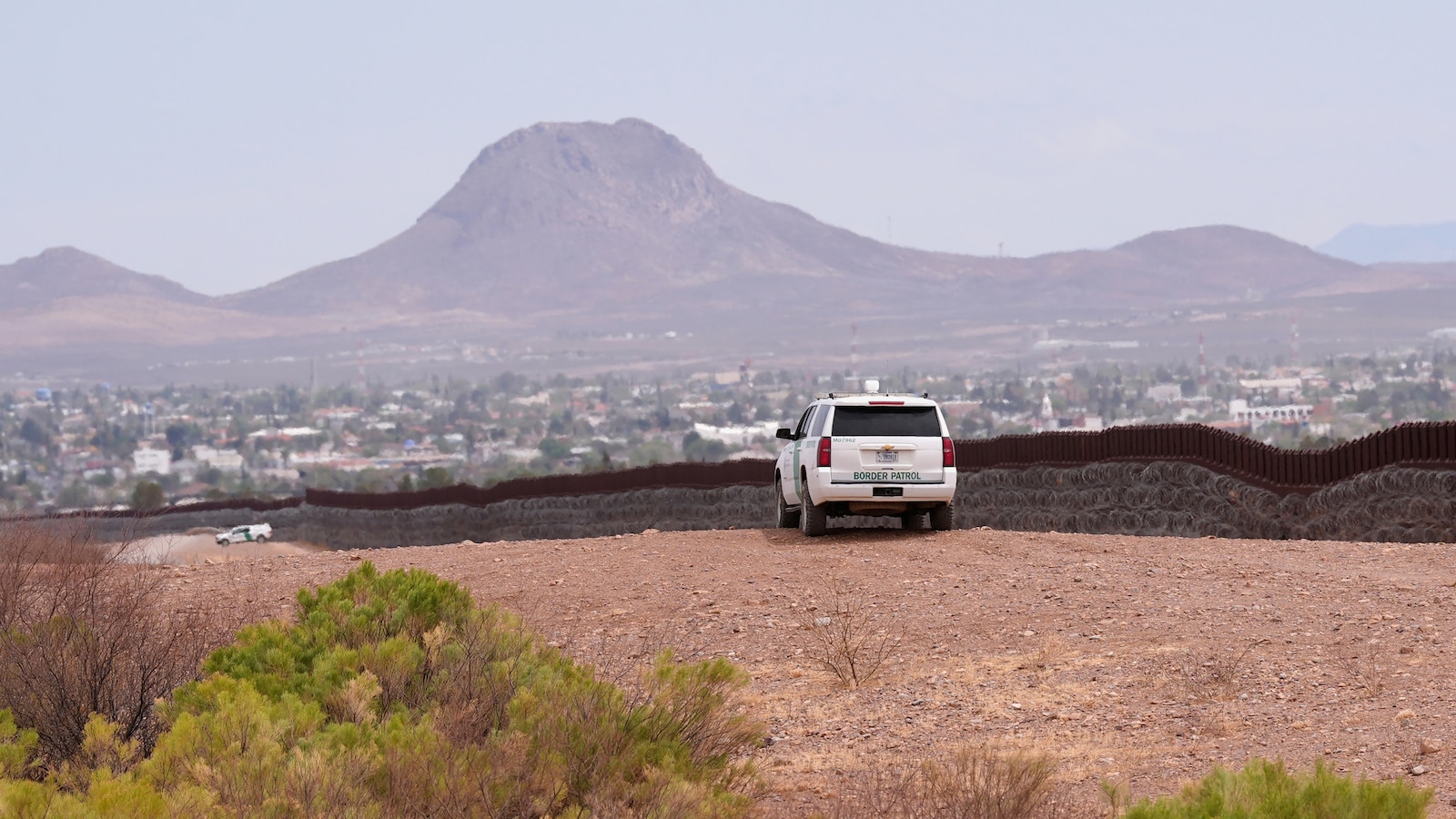
Source: ABC News US. Casualplayhub News adds summary, context, and editorial framing while linking back to the original report.
Ad eligibility review: sensitive-topic
The federal government has agreed to extend a pause on border construction in Big Bend National Park until mid-September, following a court hearing in San Antonio on Friday. The decision, which delays work in the remote Texas park and an adjacent stretch of land upriver and west, was welcomed by environmental groups, Native American tribes, and local officials who have challenged the contentious project. Customs and Border Protection had already suspended activity after Commissioner Rodney Scott visited the park last week to consult with local leaders. The earlier pause, set to expire on Monday, came after bulldozers began clearing land in the park, sparking widespread outrage. The Department of Homeland Security had said the work was initial design and survey work, not full construction. The government’s plans include building a new road, installing detection technology, and erecting barriers to stop vehicles from crossing the border. However, an attorney for the government emphasized Friday that no final plans have been decided. U.S. District Judge Orlando L. Garcia expressed hope that the two sides would use the extra time to address each other’s concerns. The pause applies to both the national park and a section of land upriver and west of the park, a Justice Department lawyer said during the hearing. The work at Big Bend is part of a $46 billion plan by the Trump administration to cover the entire 2,000-mile border with a combination of 30-foot tall steel bollard walls, vehicle barriers, and detection technology aimed at stopping illegal immigration and smugglers. As construction has ramped up, the administration has faced increasing opposition from landowners, environmental groups, and Native Americans. The government argued Friday that Customs and Border Protection’s authority to build the wall or other infrastructure comes from Congress. “Congress gave them the authority,” said government lawyer Pamela Amaechi. “Congress has spoken.” The lawsuit alleges the government overstepped its authority by building in a national park established by Congress and that the construction violates the religious freedoms and cultural practices of Native Americans who rely on access to burial sites and ceremonial areas. The government has countered that it has the authority from Congress to build border security infrastructure and waive certain regulations to act swiftly. They also argue that the plaintiffs have not shown that the construction will restrict religious practices and that the plans are limited. Texas State Senator Roland Gutierrez, who argued against the government, called the outcome a temporary win. “Anything that slows the government down until the midterm elections in November is a good thing,” Gutierrez said, hoping that a change in control of Congress might lead to a rethinking of the border wall plans.
Article commentary
The extension of the pause on border construction at Big Bend National Park marks another chapter in the long-running clash between federal border security initiatives and local, environmental, and cultural interests. The decision, while temporary, provides a window for dialogue—but the underlying tensions remain unresolved. The government’s argument that Congress granted it authority to build border infrastructure is legally sound, but it sidesteps the deeper question of whether such authority should override protections for national parks and Native American sacred sites. Big Bend is a unique landscape, both ecologically sensitive and culturally significant to tribes like the Lipan Apache and the Kickapoo. The lawsuit’s claim that construction would infringe on religious freedoms is not merely a procedural hurdle; it touches on the fundamental tension between national security and the preservation of heritage. The Trump administration’s $46 billion border plan, with its 30-foot steel walls and detection technology, has always been a polarizing issue. Critics argue that the environmental impact in fragile desert ecosystems is severe, while supporters insist that stopping illegal immigration and drug trafficking justifies the measures. The court’s role here is to balance these competing interests, but the judge’s hope for a negotiated solution may be optimistic given the political polarization surrounding border policy. The timing of the pause—extending until mid-September—is strategic. With the November midterm elections approaching, the issue becomes a bargaining chip. Senator Gutierrez’s comment that slowing the government until the elections is a “good thing” reflects a political calculus: a change in congressional control could alter funding or priorities for the wall. However, even if Democrats gain seats, the executive branch’s authority to use existing funds for border security may not be easily curtailed. The legal challenge also raises questions about the scope of executive power. The government’s use of waivers to bypass environmental and cultural review laws has been a recurring flashpoint. While Congress has delegated broad authority, courts have sometimes pushed back when the impact on public lands and indigenous rights is not adequately considered. The Big Bend case could set a precedent for how far the government can go in building on protected lands. For now, the pause is a small victory for opponents, but it does not resolve the core conflict. The coming months will test whether the parties can find common ground or whether the dispute will continue to fester in courtrooms and on the ground. The broader narrative is one of a nation grappling with how to secure its borders without sacrificing its environmental and cultural heritage—a balance that remains elusive.