Mobile X-Ray Service Brings Diagnostics to North Dakota Patients
Source: InForum Business. Casualplayhub News adds summary, context, and editorial framing while linking back to the original report.
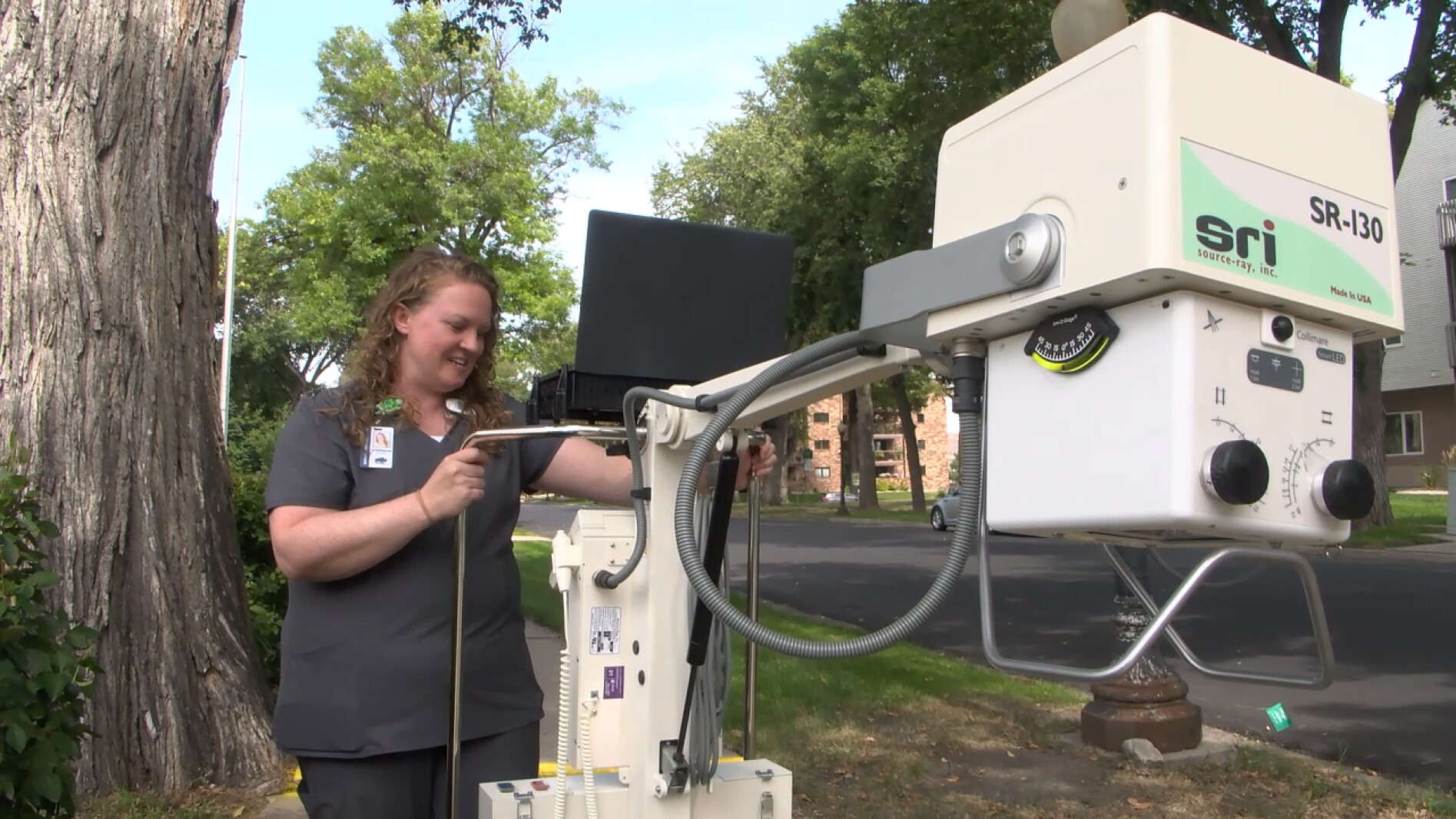
In Fargo, a new venture is redefining how patients access diagnostic imaging. Bison Imaging, a mobile X-ray service launched by Michael and Lisa KaKayGeesick, recently completed its first patient exams, marking a milestone after months of groundwork. The company brings portable X-ray equipment directly to individuals who face mobility challenges or live far from medical facilities, serving skilled nursing homes, assisted living communities, and rehabilitation centers across Fargo, West Fargo, Horace, and neighboring areas.
Michael KaKayGeesick explained the motivation: "The main purpose is for us to provide a service where it's easier for these patients that maybe are not as mobile or have access to get to a hospital." Instead of arranging ambulances or specialized transport, Bison Imaging technicians travel to the patient, capture images, and send them electronically to a radiologist for interpretation. Results are then forwarded to the patient's primary care provider, potentially reducing unnecessary trips to the emergency room.
The business grew out of Lisa KaKayGeesick's two decades in radiology, with six years specifically focused on mobile X-ray work. That experience gave her a firsthand view of the gaps in care for patients who are difficult to move. "We felt like it was time to make it our own and make it unique," she said.
The idea took shape about five months ago during a kitchen-table conversation. Turning that talk into reality required navigating regulatory hurdles, acquiring equipment, and building a client network. Michael described the process as filled with setbacks. "There are going to be setbacks, and you just have to keep pushing forward if it's something you truly believe in," he noted. The couple celebrated their first exam, with Michael recalling: "When we got that first image and we got our first report back and the doctor was able to read it and provide his care to the patient, it was amazing."
For Lisa, the milestone was both familiar and novel. She had performed mobile X-rays before, but now it was through a business they built together. "It's so rewarding just to see all the work that you've put in, all the work that we've put in together, and combine your background, combine my background, and do it together," she said.
Looking ahead, Bison Imaging is licensed in North Dakota and has submitted an application to operate in Minnesota. The company is also working through the Medicare enrollment process. Once approved, they aim to expand their reach to more facilities in the Fargo-Moorhead area. The journey has been an entrepreneurial lesson. Michael emphasized that success requires accepting that not every approach will work immediately. Lisa offered a simple piece of advice: "Don't be afraid. Just give it a try. Give it what you've got."
Mobile X-ray services are not new, but Bison Imaging fills a niche in a region where rural and aging populations often face transportation barriers. By bringing the equipment to the patient, the service reduces strain on both individuals and the healthcare system. The company's approach aligns with broader trends in healthcare delivery, including home-based care and telemedicine.
As the couple navigates expansion, they remain grounded in their mission: making diagnostic imaging accessible to those who need it most. For now, the focus is on building trust with facilities and demonstrating the reliability of their service. With each exam, they are not just capturing images but also capturing a vision of more equitable healthcare access.
Article commentary
The launch of Bison Imaging in Fargo represents a microcosm of a larger shift in healthcare delivery: moving services out of centralized institutions and into patients' homes and communities. Mobile X-ray services are not novel, but their success depends on navigating a complex web of licensing, reimbursement, and trust-building. The KaKayGeesicks' venture highlights both the promise and the pitfalls of healthcare entrepreneurship. Access to diagnostic imaging remains a significant challenge for rural and elderly populations. In North Dakota, where the population is sparse and distances to hospitals can be long, a mobile X-ray service can reduce the burden on patients who might otherwise endure hours of travel for a 15-minute scan. More importantly, it can prevent unnecessary emergency room visits, where imaging is often performed out of convenience rather than medical necessity. This has the potential to lower healthcare costs and improve patient experience. However, the path to sustainability is fraught with barriers. Medicare certification is a critical step, as many of the target patients—skilled nursing residents—are covered by the federal program. The application process is notoriously slow and requires meticulous documentation. Additionally, state licensing in Minnesota will open up a larger market but also introduces new regulatory requirements. The KaKayGeesicks will need to balance expansion with quality control, ensuring that their portable equipment consistently meets radiology standards. The couple's background offers a competitive advantage. Lisa's 20 years in radiology provide technical expertise and existing relationships with facilities. Michael's entrepreneurial drive, tempered by a willingness to accept setbacks, adds a pragmatic layer. Their kitchen-table origin story is relatable, but turning a personal passion into a scalable business requires more than grit. They must also manage cash flow, negotiate contracts with facilities, and market their service effectively. From a broader perspective, mobile imaging services like Bison Imaging are part of a trend toward decentralized healthcare. Telemedicine, at-home lab draws, and mobile pharmacies are all gaining traction. The COVID-19 pandemic accelerated acceptance of remote care, and that momentum is likely to continue. Yet, regulatory frameworks often lag behind innovation. States vary widely in how they license mobile providers, and Medicare reimbursement rules can be opaque. For other aspiring healthcare entrepreneurs, the KaKayGeesicks' story offers a lesson in patience and persistence. Lisa's advice—"Don't be afraid"—is deceptively simple. Fear of failure often prevents people from pursuing ideas that could improve lives. But success requires more than courage; it demands a deep understanding of the regulatory landscape, a willingness to iterate, and the ability to build a network of partners. As Bison Imaging grows, it will serve as a case study for whether mobile specialty services can achieve financial viability while maintaining high-quality care. The initial signs are promising: the first exam was completed successfully, and the couple has plans for expansion. But the real test will come as they scale, face competition, and navigate the complexities of healthcare reimbursement. If they succeed, they will not only build a profitable business but also demonstrate a model that could be replicated in other underserved regions across the country.