Bruce Brown: A Savvy Fit for the Cavaliers' Roster Puzzle
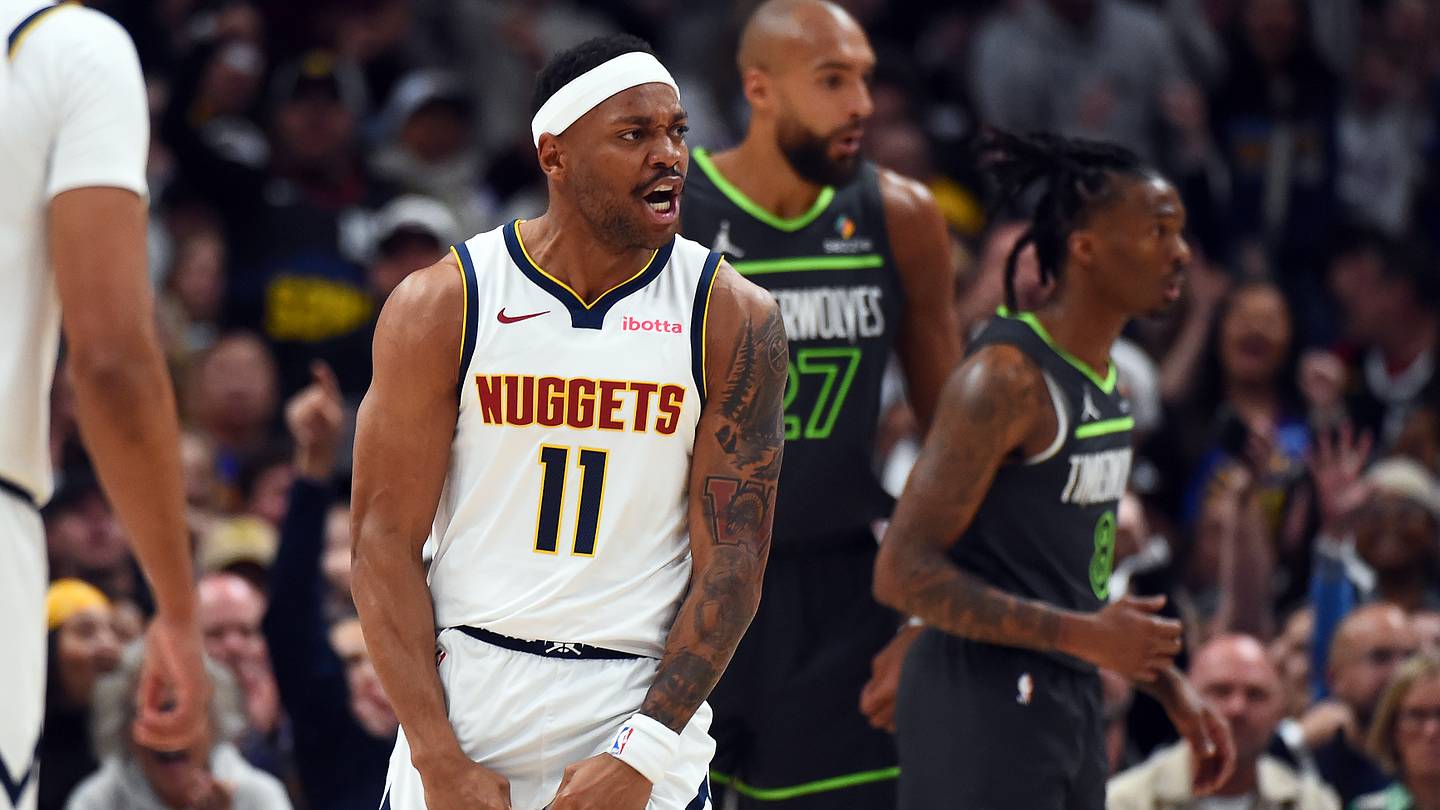
Source: SI NBA. Casualplayhub News adds summary, context, and editorial framing while linking back to the original report.
Ad eligibility review: sensitive-topic
The Cleveland Cavaliers are navigating a delicate roster situation. After a series of offseason moves, they have limited flexibility but still hold a potential veteran minimum contract slot. If they can scrape together enough cap room, one name that should be on their radar is Bruce Brown—a player whose skill set aligns almost perfectly with what the team needs right now.
Brown, an eight-year NBA veteran, remains unsigned as the season approaches. Last year, he posted modest numbers: 7.9 points, 3.9 rebounds, and 2.1 assists per game, with shooting splits of 47.5% from the field and 38.5% from beyond the arc. Those stats don't leap off the page, but Brown's reputation is built on the intangibles—defensive grit, positional versatility, and a championship pedigree from his time with the Denver Nuggets. He is the kind of player who elevates a team without needing the offense to run through him.
Versatility has been a theme for the Cavaliers this offseason. They have prioritized adding players who can complement Donovan Mitchell, James Harden, and Evan Mobley. Peyton Watson brings some of that, and so does Brown. At 6-foot-4 with a sturdy frame and relentless motor, Brown can guard guards, wings, and even smaller forwards. He routinely ranks in the 75th percentile or higher in matchup difficulty; last season he finished in the 81st percentile in Defensive Positional Versatility. That kind of defensive flexibility could be crucial in the playoffs, where the Cavs will face a gauntlet of elite perimeter scorers.
Offensively, Brown is a Swiss Army knife. He spent 31% of his minutes at point guard, 64% at shooting guard, and 5% at small forward last season. The Nuggets trusted him to handle the ball, move off it, and fit in alongside stars. He knows his role and embraces it—a trait that has made him a sustainable contributor on winning teams. His championship experience with Denver is another plus; he understands the focus and sacrifice required to win a title.
But Brown is not without flaws. Despite shooting nearly 39% from three last season, he has been streaky throughout his career. He has only once attempted 3.0 or more triples per game in his eight seasons, meaning his shooting comes on low volume. At age 30, there is little untapped potential left. What you see is what you get: a reliable, versatile role player who is not a primary scorer or a knockdown spacer.
That is exactly what the Cavaliers need. They are not looking for another young prospect after drafting Meleek Thomas and Ernest Udeh Jr. They need dependable veterans who can play winning basketball. Brown checks that box: he can log meaningful postseason minutes, defend multiple positions, and contribute without demanding touches. If Cleveland can sign him to a veteran minimum or an Exhibit 9 deal, he would be one of the best value signings left on the market.
Article commentary
Bruce Brown to the Cavaliers is a logical pairing that makes sense on multiple levels, but it is not without its risks. On paper, Brown addresses a clear need: experienced, playoff-tested guard depth who can defend and play off the ball. The Cavaliers have a top-heavy roster with Mitchell, Harden, and Mobley drawing most of the attention, but they lack a reliable, versatile perimeter defender who can slot in alongside any of those stars. Brown fits that description perfectly. His ability to guard positions 1 through 3, combined with his willingness to take on the toughest defensive assignment, would relieve pressure on the Cavs' backcourt and allow Harden to conserve energy on that end. However, the offensive fit is more nuanced. Brown's shooting, while improved last season, has been inconsistent. He is a career 33.8% three-point shooter, and his 38.5% mark in 2025-26 was a career high on low volume. Teams may not respect him as a floor spacer, which could clog driving lanes for Mitchell and Harden. Additionally, Brown is not a primary playmaker; he is a secondary ball-handler at best. The Cavaliers already have Harden and Mitchell as primary creators, plus Evan Mobley facilitating from the high post. Brown's role would be that of a cutter, spot-up shooter, and transition finisher—a role he has excelled in, but one that requires precise spacing and timing. Another concern is the age and upside. Brown turns 30 this season, and while he is still in his prime, there is no hidden ceiling to unlock. The Cavaliers are betting on stability and professionalism, not breakout potential. That is a reasonable wager for a veteran minimum deal, but it also means that if Brown's shooting regresses or his defensive quickness declines, the signing loses value quickly. From a roster construction standpoint, the Cavaliers are walking a tightrope. They have already invested heavily in their core and added young talent like Peyton Watson, Thomas, and Udeh. Adding Brown would give them a proven piece who can bridge the gap between youth and experience. But this move only makes sense if they can clear the cap space without sacrificing future flexibility. The veteran minimum or Exhibit 9 contract is ideal because it minimizes risk. Ultimately, Bruce Brown is a low-risk, high-reward option for a team with championship aspirations. His intangibles, defensive versatility, and championship experience make him the kind of player who thrives in the playoffs. The Cavaliers would be wise to pursue him aggressively, but they should also be realistic about what he brings: a complementary piece, not a star. If the price is right, this could be one of the smartest moves of the late offseason.