Blake Monroe Explains Why She Said No to Love Island UK
Source: Wrestling Inc.. Casualplayhub News adds summary, context, and editorial framing while linking back to the original report.
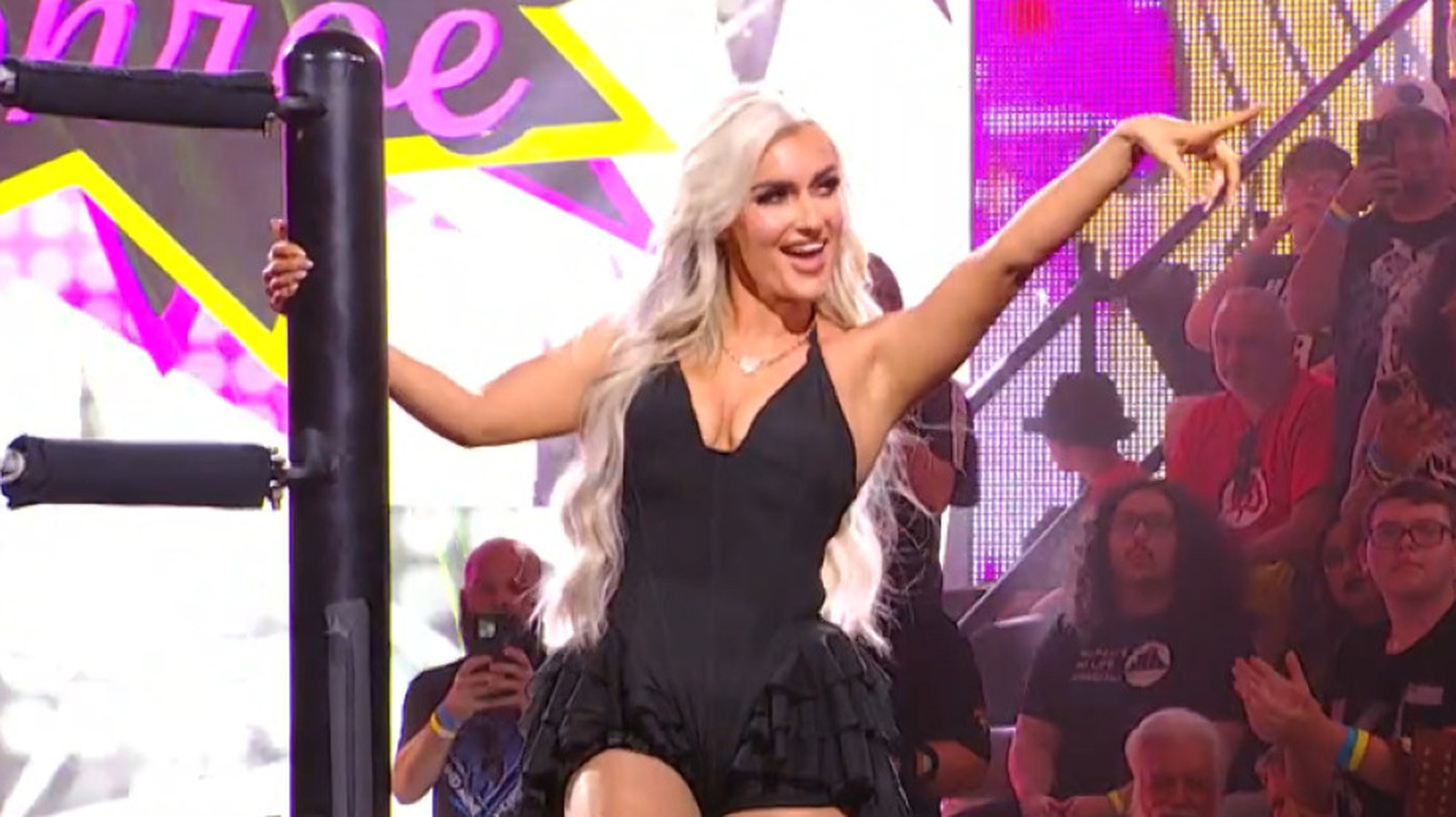
WWE star Blake Monroe has finally addressed the persistent rumors about her potential appearance on Love Island UK, revealing that she turned down the opportunity not once, but twice. The professional wrestler opened up about her decision during a candid conversation on The Nikki & Brie Show, hosted by fellow WWE legend Nikki Bella and her sister Brie Garcia.
Monroe explained that her first invitation came when she was just 18 or 19 years old, around the time Love Island was airing its third and fourth seasons in 2017 and 2018. Back then, the show was known for being "very unfiltered," she recalled. "I felt like I was very young," Monroe said. "I know now younger people go on, but back then there was only like one girl who went on when she was 19 and it wasn't great for her." She admitted that she had a tunnel-vision goal of making it to WWE, and participating in a racy reality dating show simply didn't align with the image she was cultivating.
"They were doing things on TV which I would not want to do and lived with you forever," she explained. "I just didn't think it was a fit." Monroe's commitment to her wrestling career was unwavering, and she saw Love Island as a potential distraction rather than a stepping stone.
Years later, after Monroe had already relocated to the United States, the show's producers reached out again. This time, she was torn. "A couple years ago I was already in America and they reached out again about it," she said. Monroe admitted that she seriously considered the offer, but ultimately decided against it because she wasn't sure she could handle the intensity of the challenges. "I didn't think it would be the right move and I didn't think I could deal with the intensity of the challenges," she added.
Then life intervened in the most unexpected way. "Then I fell in love and couldn't go on Love Island because I found it myself," Monroe concluded with a laugh. The revelation that she was in a committed relationship sealed her decision, making the reality show's premise of finding love seem unnecessary.
Nikki Bella, who co-hosts the podcast, chimed in with her own Love Island connection. She revealed that she had been in the running to host the show when it was first being brought to the United States. However, the role ultimately went to Arielle Vandenberg when Love Island USA debuted in 2019. Bella's anecdote added another layer of insight into the show's casting history.
Love Island UK has been a cultural phenomenon since its revival in 2015, running for 13 seasons and spawning international versions including Love Island USA and Love Island Australia. The show originated from the short-lived Celebrity Love Island format on ITV in 2005. For Monroe, turning down the opportunity was a calculated career move that prioritized her professional goals over reality TV fame. Now, as a WWE star, she has no regrets about the path she chose.
Article commentary
Blake Monroe's decision to turn down Love Island UK reflects a broader trend among professional athletes who carefully manage their public personas. The wrestling world, in particular, demands a certain type of image—one that often emphasizes strength, discipline, and authenticity. Reality dating shows, by contrast, thrive on vulnerability, drama, and sometimes manufactured conflict. Monroe's instinct to protect her WWE aspirations was likely a smart one, especially given the show's early reputation for unfiltered content. What stands out in her account is the clarity of purpose she had from a young age. At 18 or 19, most people are still figuring out their identities, but Monroe already saw herself as a WWE Superstar. That tunnel vision served her well, allowing her to avoid potential pitfalls that could have derailed her career. The entertainment industry is littered with examples of reality TV appearances that later hurt an athlete's credibility or contract negotiations. By choosing not to participate, Monroe maintained control over her narrative. Her second rejection, years later, is equally telling. By then, she was already established in the US and had a clearer sense of what she wanted. The hesitation about the intensity of challenges suggests a maturity in knowing her own limits. And the final clincher—falling in love in real life—adds a human touch that transcends career strategy. It's a reminder that sometimes the best decisions come from a combination of professional instinct and personal happiness. Nikki Bella's revelation about nearly hosting Love Island USA adds an interesting parallel. Both women navigated similar crossroads but made different choices. Bella's career trajectory, which included high-profile relationships and reality TV appearances (Total Divas, Total Bellas), shows that there is no single correct path. Monroe's more guarded approach may reflect a generational shift or a different branding strategy. From a broader perspective, Monroe's story highlights the ongoing tension between traditional sports entertainment and the influencer economy. Love Island offers a fast track to fame, but it also comes with strings attached—public scrutiny, long-term digital footprints, and the risk of being typecast. Monroe's decision to prioritize a long-term career over short-term exposure is a lesson in delayed gratification that many young athletes could learn from. In an era where reality TV and social media fame often overshadow traditional athletic achievement, Monroe's commitment to her craft is refreshing. She didn't just say no to Love Island; she said yes to her own vision of success. That kind of self-awareness, especially at such a young age, is rare and commendable.