Nepal's Flood Crisis: Over 600 Dead, Thousands Missing as Rescue Efforts Stall
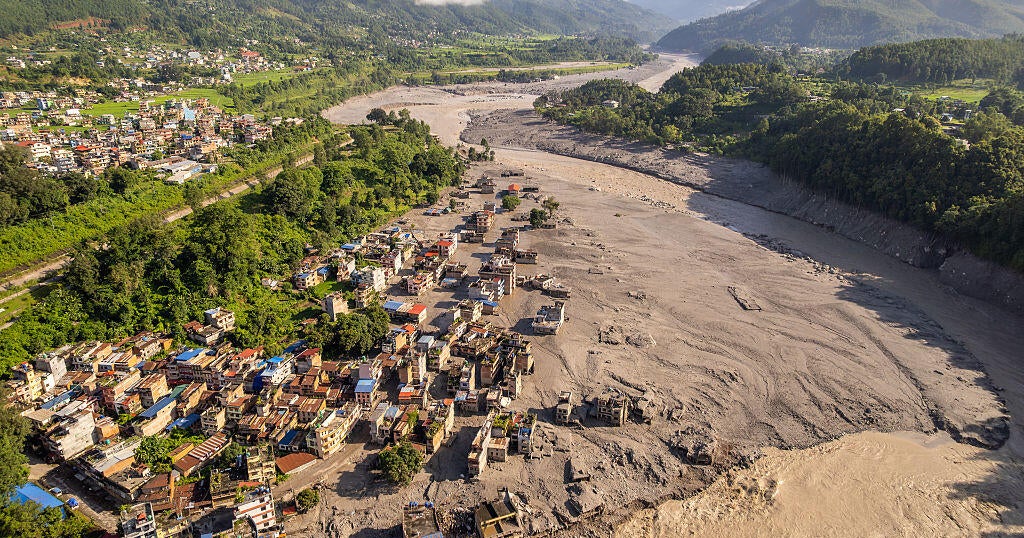
Source: CBS News World. Casualplayhub News adds summary, context, and editorial framing while linking back to the original report.
The relentless monsoon rains that triggered devastating flash floods across Nepal and along the Chinese border have pushed the death toll beyond 600, with rescue crews racing against time as the number of missing hovers near 3,000. The disaster, which struck on Wednesday, has left a trail of destruction that officials describe as one of the worst in recent memory. The fourth day of rescue operations has been met with grim weather conditions: low clouds, persistent drizzle, and gusty winds have grounded aerial missions, forcing teams to rely on limited ground access. Military personnel, paramilitary forces, and volunteers have been working around the clock, but many areas remain inaccessible due to washed-out roads and collapsed bridges. In the worst-affected districts, entire villages have been submerged or swept away, leaving families separated and survivors stranded on rooftops or higher ground. Communication lines are down, and the breakdown of basic services has compounded the misery. Emergency shelters are overflowing, and supplies of clean water, food, and medicine are running dangerously low. The government has declared the disaster a national emergency and appealed for international aid. Helicopter sorties, which were the primary lifeline for rescuing people trapped in remote valleys, have been virtually suspended because of minimal visibility. Ground teams, using boats and makeshift rafts, are racing to reach isolated pockets, but the terrain is treacherous and the waters remain dangerously high. Officials fear that many of the missing may never be found, as bodies could be swept across borders or buried under debris. The floodwaters have also destroyed thousands of hectares of farmland, threatening the region's food security in the months ahead. Hospitals are overwhelmed with the injured, and teams are struggling to identify the dead. The human cost of this disaster is still unfolding, and every hour of delay caused by the weather deepens the tragedy. Survivors describe scenes of chaos: the sudden rush of water, the frantic scramble to higher ground, the loss of homes and loved ones. The government's disaster management agency has confirmed that the death toll is likely to rise as more bodies are recovered. The international community has begun to respond, with neighboring countries and UN agencies offering support. But with the monsoon season still underway, the risk of further landslides and flash floods remains high. The focus now is on getting rescue teams to the most remote areas before time runs out, but the weather continues to be an unforgiving adversary.
Article commentary
The catastrophic flooding in Nepal is a stark reminder of how climate change is amplifying the destructive power of natural disasters. While the monsoon season has always brought risks to the Himalayan region, the intensity and frequency of extreme weather events have increased dramatically in recent years. The fact that over 600 people have died and nearly 3,000 remain missing in just four days points to a crisis that goes beyond immediate weather conditions. It highlights systemic vulnerabilities: poor infrastructure, inadequate early warning systems, and a lack of disaster preparedness in remote communities. The ground-level challenges—washed-out roads, damaged bridges, and limited helicopters—are not just logistical problems; they are the result of decades of underinvestment in resilient infrastructure. The weather has become a convenient scapegoat, but the real failure lies in the inability to anticipate and mitigate such disasters. The ongoing rescue operations, though heroic, are reactive rather than proactive. The missing persons figure is staggering, and it suggests that many villages were caught completely off guard. This is not a surprise; it is a pattern seen in many developing nations where climate vulnerability meets poverty. The international community's response, while welcome, also reflects a reactive approach. A more meaningful strategy would involve pre-positioning supplies, building flood-resistant shelters, and investing in community-based early warning systems. The loss of farmland and the destruction of livelihoods will have long-term consequences that extend far beyond the immediate death toll. Food prices will rise, migration will increase, and the region's economic recovery will be slow. This disaster should serve as a call to action for governments and aid organizations to shift from crisis management to resilience building. The monsoon season is not over, and the next storm could be even more devastating. Without a fundamental change in how we address climate adaptation in vulnerable regions, we will continue to see tragedies like this play out with grim regularity.