U.S. Broadens Sanctions on Iran, Targeting Ordinary Citizens' Livelihoods
Source: Fortune. Casualplayhub News adds summary, context, and editorial framing while linking back to the original report.
Ad eligibility review: sensitive-topic
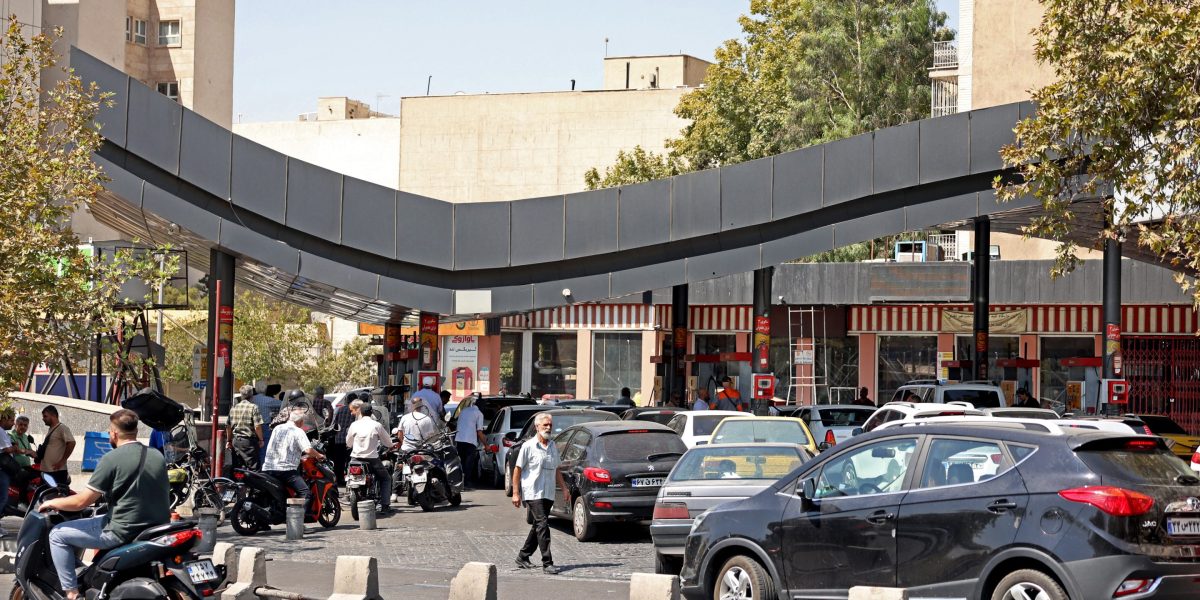
On Monday, Treasury Secretary Scott Bessent unveiled a sweeping new strategy to tighten the economic noose around Iran, calling it an 'economic D-Day.' The plan expands secondary sanctions, targeting any entity or country that engages with Iran, and threatens to expel such nations from the dollar-based financial system. Bessent zeroed in on five sectors he described as Iran's 'most vital lifelines'—digital assets, technology, gold, aviation, and shipping. Yet Esfandyar Batmanghelidj, founder of the Bourse & Bazaar Foundation, countered that these are actually lifelines for the Iranian people, not the regime. 'Digital assets and gold are how ordinary Iranians protect their savings from inflation,' he wrote on X. 'Technology keeps Iranians connected with the world. Aviation keeps Iranian families connected with loved ones across borders. Shipping is how essential goods, including food and medicine, reach Iran.' The move reflects a pivot by the Trump administration away from military strikes, betting instead that economic pressure can achieve what bombs could not. The Treasury Department did not respond to requests for comment. To be sure, cryptocurrencies, technology, and shipping front companies also help the Iranian regime bypass Western sanctions and earn revenue. Meanwhile, the United Arab Emirates halted all trade and transactions with Iran earlier this month, severing a key link to the global economy. The war and naval blockade have devastated Iran's economy, which was already fragile before the conflict. Inflation has soared past 80%, with some food prices doubling. The currency, whose collapse sparked nationwide protests late last year, has lost another 30% of its value in 2025. The International Monetary Fund predicted in April that Iran's economy would shrink 6.1% this year, the worst contraction in decades. A labor ministry official estimated over 1 million jobs gone by late May. The naval blockade has blocked oil exports and also prevented imports of refined fuels, creating shortages and long lines at gas stations. Deep subsidies encourage overconsumption, but the government hesitates to raise prices, fearing more public anger over inflation. Under mounting pressure, some moderate officials have warned that time is running out for economic relief. 'No matter how strong we are militarily, if the people are hungry and we do not have financial circulation, economic growth and domestic production, we will not endure,' said parliamentary speaker Mohammad Bagher Ghalibaf during a visit to Iraq earlier this month. Protests have begun to flare, though not on the scale of January's deadly crackdown. On Monday, oil and gas workers in Asaluyeh demonstrated, demanding that they not suffer a cost-of-living crisis while keeping production running, state media reported. Earlier, about 100 laid-off workers protested at the Shadegan steel complex in western Iran, petrochemical workers in Bandar-e Mahshahr protested layoffs, and teachers union members publicly complained about unpaid wages. Experts caution that Iran's repressive regime is unlikely to yield to popular suffering and is prepared to outlast American patience. Still, officials acknowledge the strains. 'The country today faces great, complex, and multiple open and hidden challenges,' Ghalibaf said on Wednesday. 'Our duty at this moment is to devote all our time and energy to resolving the people's problems, increasing Iran's economic power, and preserving the achievements of resistance.' The cumulative effect of these measures is a deepening humanitarian crisis, with many Iranians struggling to afford basic necessities. The black market for currency has flourished, and while the government attempts to regulate digital assets, ordinary citizens continue to turn to Bitcoin and stablecoins as a store of value. The regime's reliance on subsidies and price controls has only exacerbated shortages, creating a vicious cycle of inflation and public discontent.
Article commentary
The Trump administration's latest sanctions strategy represents a significant escalation in economic warfare against Iran, but its effectiveness remains highly questionable. By targeting sectors that are crucial for ordinary Iranians—digital assets, gold, technology, aviation, and shipping—the United States is deliberately inflicting pain on the population, hoping that public pressure will force the regime to capitulate. This approach mirrors the 'maximum pressure' campaign of Trump's first term, which ultimately failed to achieve its stated goals of renegotiating the nuclear deal or toppling the government. Instead, it drove Iran to expand its nuclear program and deepen its ties with China and Russia. The current situation is even more dire for Iran's economy, with inflation above 80%, a collapsing currency, and the IMF projecting a 6.1% contraction. The naval blockade has crippled oil exports and created fuel shortages, while the UAE's decision to cut off trade further isolates Tehran. Yet the regime has shown remarkable resilience in the face of previous sanctions, using smuggling networks, front companies, and cryptocurrency to evade restrictions. The internal political dynamics are also complex. Moderate officials like Mohammad Bagher Ghalibaf have publicly acknowledged the economic pain, warning that military strength is useless if the people are hungry. This suggests a growing rift between pragmatists who see no alternative to negotiations and hardliners who oppose any concessions. The protests that have emerged—among oil workers, steel plant employees, and teachers—are still small and localized, but they echo the larger unrest that erupted in January, which was brutally suppressed. The regime's capacity for repression remains formidable, and it is unlikely to be swayed by moderate suffering. However, the cumulative effect of sustained economic pressure could eventually erode the regime's legitimacy, especially if the protests spread to the middle class and bazaar merchants. The United States seems to be betting that the Iranian people will eventually force change, but history suggests that sanctions often strengthen authoritarian regimes by allowing them to blame external enemies for domestic hardships. The humanitarian cost is already immense, and there is a risk that the sanctions will push Iran further into the arms of China and Russia, undermining the very isolation the U.S. seeks. A more effective approach might involve targeted sanctions on regime officials and military entities, combined with humanitarian exemptions and a credible diplomatic off-ramp. Without such a strategy, the U.S. risks repeating the failures of the past while causing immense suffering to ordinary Iranians.