Kuminga Chooses Timberwolves, Agent Says Defense Was Deciding Factor
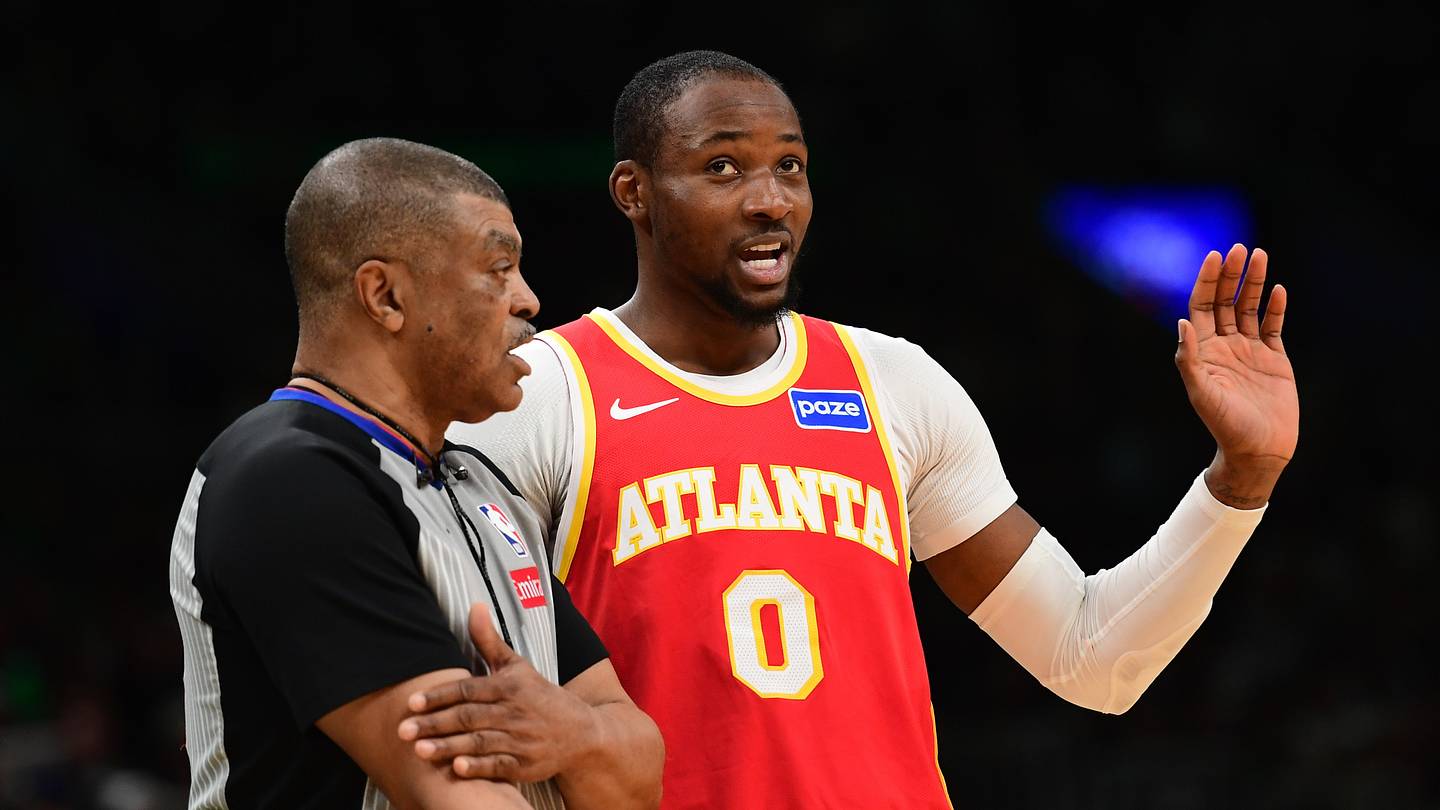
Source: SI NBA. Casualplayhub News adds summary, context, and editorial framing while linking back to the original report.
Ad eligibility review: sensitive-topic
The Jonathan Kuminga free agency saga finally reached its conclusion, and the outcome defied the months of rumors that had painted the Los Angeles Lakers as the inevitable destination. Instead, the 23-year-old forward signed with the Minnesota Timberwolves, a decision that left many in the NBA world scratching their heads. The Lakers, who had been linked to Kuminga through a potential sign-and-trade with the Atlanta Hawks, appeared to have the inside track. But Kuminga’s camp shifted course at the last minute, opting for a partnership with Anthony Edwards rather than Luka Doncic.
What tipped the scales? According to Kuminga’s agent, Aaron Turner, it was the Timberwolves’ emphasis on defense. Speaking with Jon Krawczynski of The Athletic, Turner detailed how Edwards personally recruited Kuminga with a clear, focused message. “Ant was super active in the recruitment of him,” Turner said. “One thing he did was focus his message on, we’re gonna really guard here. Everybody looked at the offensive end. JK and I looked more at the defensive end.”
That narrative, however, masks a more practical reality. Throughout the free agency process, the constant chatter was about Kuminga’s earning potential and flexibility. The Hawks had declined his $24.3 million team option for the upcoming season, making him an unrestricted free agent, but the market for his services quickly dried up. Teams with cap space grew scarce, and Kuminga’s options narrowed. The Timberwolves offered a deal that includes a player option for the 2027-28 season, allowing Kuminga to opt out after just one year and test the open market again as an unrestricted free agent. In contrast, a Lakers sign-and-trade would have required a three-year commitment at roughly $12 million annually, locking him in for a longer term at a lower average salary.
Turner insists that defensive versatility, not contract structure, drove the decision. “He made this decision because of the defensive versatility of this team,” Turner said. “Offense is secondary to what he’s thinking about. It’s going to be whatever we gotta do to win that night. Nobody is going to care about stats or shots.” Whether that holds true in a prove-it year remains to be seen. Kuminga, the No. 7 pick in the 2021 draft, has yet to fully live up to his potential. His athleticism is undeniable, but inconsistency on both ends has followed him since his Golden State days and through his stint in Atlanta. This season in Minnesota, he will have the chance to showcase his value, knowing that a strong performance could lead to a lucrative long-term deal next summer.
With Kuminga off the table, the Lakers are pivoting to other targets. According to Jake Fischer of Bleacher Report, veteran guard Bruce Brown is now in their sights. Brown, who has championship experience from his time with the Denver Nuggets, could be brought in on a veteran minimum contract. “I think he’s in the mix for the Lakers, a team that has had some interest in him for several years now,” Fischer said. Brown would provide backcourt depth and defensive versatility, filling a role the Lakers desperately need. As the NBA offseason winds down, this remains a story to watch.
For Kuminga, the bet on himself is clear. He is banking on a standout season in Minnesota, where he can play alongside Edwards and Rudy Gobert, to rebuild his market value. The gamble is significant—if he fails to deliver, he could find himself in a similar position next year, chasing a deal that falls short of his expectations. But for now, the Timberwolves have added a dynamic, high-flying forward who is determined to prove that defense is indeed his priority.
Article commentary
Jonathan Kuminga’s decision to sign with the Minnesota Timberwolves over the Los Angeles Lakers is a fascinating case study in the intersection of player agency, market dynamics, and team building. On the surface, the narrative spun by his agent, Aaron Turner, emphasizes defensive culture and Anthony Edwards’ recruitment as the decisive factors. But a deeper look reveals a far more pragmatic calculus: Kuminga is betting on himself in a one-year prove-it scenario, maximizing his future earning potential while minimizing long-term commitment. From a strategic standpoint, the Timberwolves offer a unique environment. Defensive anchors like Rudy Gobert and Jaden McDaniels provide a system that could elevate Kuminga’s game on that end. If he embraces the role Turner describes, he could emerge as a versatile wing defender who can also attack the rim. However, the same flexibility that allows him to opt out after one season also makes him a rental. The Timberwolves are essentially getting a one-year trial with a player who hasn’t yet proven he can be a consistent contributor on a winning team. If Kuminga thrives, Minnesota will have to compete with the rest of the league to re-sign him—likely at a much higher price. If he falters, they lose nothing but cap space. For the Lakers, missing out on Kuminga is a setback, but not a catastrophic one. Their pursuit of him was rooted in a desire to add athleticism and youth to a roster that leans heavily on aging stars. The sign-and-trade structure would have locked them into a modest salary, but it also would have required giving up assets to the Hawks. Now, pivoting to Bruce Brown makes sense. Brown is a proven veteran who can defend multiple positions, handle the ball, and hit timely shots. He won’t provide the same upside as Kuminga, but he brings stability and championship experience—qualities the Lakers need as they chase another title. The broader lesson here is about the power of contract structure in free agency. Kuminga’s camp understood that a one-year deal with a player option gives him more control over his future. The Lakers’ offer, by contrast, would have tied him to a three-year deal at a salary that might not reflect his market value if he breaks out. Kuminga is essentially taking a short-term pay cut in exchange for a long-term bet on himself. That’s a high-risk, high-reward move, especially for a player who has yet to solidify his role in the league. Critics will point out that Turner’s emphasis on defense is convenient given the financial realities. It’s easier to talk about defensive versatility when the offensive numbers haven’t matched expectations. But there is genuine merit to the idea that Kuminga could thrive in a system that prioritizes defense. In Minnesota, he won’t be asked to be a primary scorer; he can focus on cutting, crashing the boards, and guarding the other team’s best wing. That could be the recipe that unlocks his potential. Ultimately, this move is a win for the Timberwolves, a calculated risk for Kuminga, and a reminder for the Lakers that free agency rarely goes according to plan. The coming season will reveal whether Kuminga’s bet pays off—or whether the defensive narrative was just a cover for a more complicated financial reality.