Inaugural Emplify Health Combine Draws Hundreds of Kids to Titletown
Source: WBAY TV-2 Sports. Casualplayhub News adds summary, context, and editorial framing while linking back to the original report.
Ad eligibility review: sensitive-topic
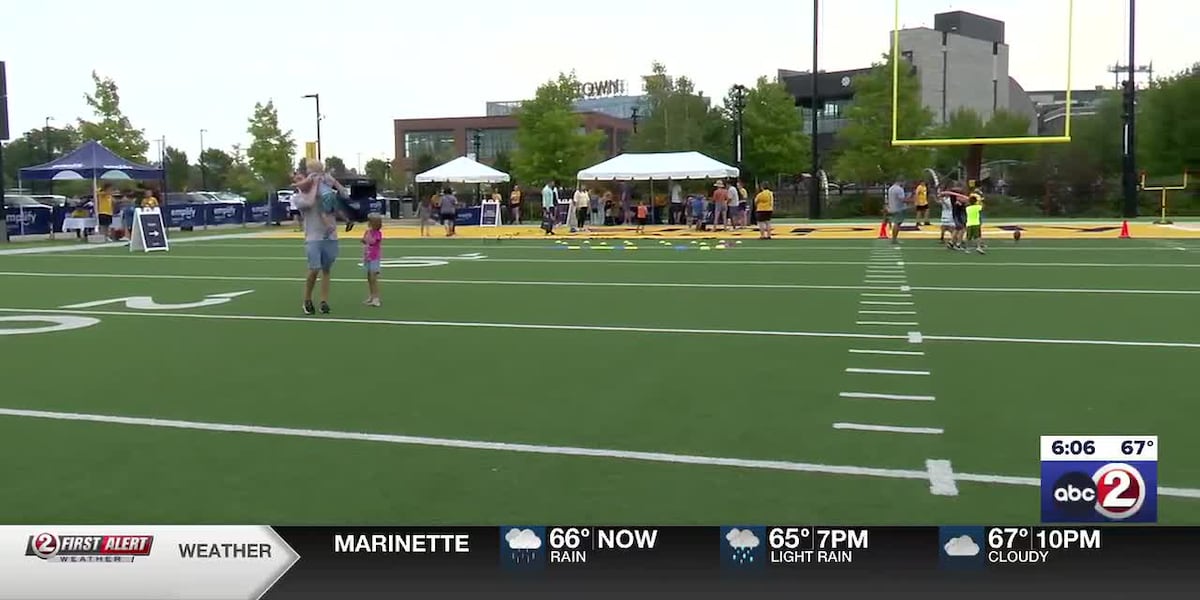
The crisp autumn air in Green Bay hummed with the energy of young athletes on Saturday as Titletown hosted the first ever Emplify Health Community Combine. Hundreds of children, ages six to fourteen, lined up eagerly at stations scattered across the iconic green space, ready to test their speed, agility, and strength in football-inspired challenges. The event, conceived as a blend of sports competition and wellness education, marked a new collaboration between Emplify Health and the Titletown district, aiming to foster healthy habits early in life.
For many participants, the highlight was the chance to run the 40-yard dash, a staple of NFL scouting combines, on a turf that has seen legends of the game. Others focused on the vertical jump, measuring their explosive power against a backboard. But the combine was not just about raw athletic performance. Interspersed among the physical stations were wellness education booths, where health professionals discussed nutrition, hydration, and the importance of sleep. Interactive giveaways, including water bottles and fitness trackers, rewarded curiosity and engagement.
Anna Karl, the marketing event specialist for Emplify Health, revealed the simple yet effective system that kept children moving through the circuit. "When participants arrive, they pick up a postcard and on that postcard has the different stations on them," Karl said. "And they'll take that postcard with them at each station and get it stamped after they complete the station." The stamps served as both a progress tracker and a source of motivation. Every child who completed all their assigned stations received a commemorative medal, a tangible reward for their effort and perseverance.
Parents watched from the sidelines, many snapping photos or cheering as their children sprinted and jumped. The atmosphere was festive, with music playing and volunteers from local youth organizations guiding the activities. The Emplify Health Community Combine was designed to be inclusive; no prior football experience was required, and all skill levels were welcome. Organizers emphasized that the goal was not to crown winners but to encourage movement, teamwork, and curiosity about health.
Beyond the drills, the event served as a platform for families to connect with healthcare resources. Booths staffed by nurses and dietitians offered quick assessments and advice. A mobile health unit provided blood pressure screenings and BMI checks, while children learned about the science behind the exercises they were performing. The integration of education into physical activity was intentional, as research shows that children retain wellness messages better when they are tied to hands-on experiences.
Titletown, already famous for its connection to the Green Bay Packers, provided a fitting backdrop. The sprawling complex includes a park, playground, and athletic fields, making it an ideal venue for community gatherings. The combine capitalized on the area's football heritage while expanding its mission to include holistic health. Local businesses and nonprofits also participated, offering samples of healthy snacks and information about after-school sports programs.
As the final station closed and medals were handed out, smiles were abundant. Anna Karl reflected on the day's success, noting that the number of participants exceeded initial estimates. She hinted that the format might be expanded in future years, possibly adding more age groups or new challenges. For now, the inaugural Emplify Health Community Combine has set a precedent: a community coming together to celebrate the joy of movement and the value of health, all while having a great time in Titletown.
Article commentary
The inaugural Emplify Health Community Combine at Titletown represents a thoughtful intersection of sports, health education, and community engagement. By drawing hundreds of children to a venue steeped in football tradition, the event effectively leveraged the cultural cachet of the Green Bay Packers to promote physical activity and wellness literacy. This approach is particularly shrewd in a region where football is not just a sport but a shared identity. What sets this combine apart from typical youth sports festivals is its emphasis on health education alongside athletic performance. The inclusion of stations focused on nutrition, hydration, and sleep—often overlooked in youth competitions—addresses a critical gap. Many children and families view sports solely through the lens of winning or losing, missing the broader context of lifelong health. By embedding educational components into the activity itself, the event made wellness accessible and fun. The stamp-card system, simple yet effective, gamified the experience, ensuring that participants moved through all stations rather than cherry-picking only the athletic ones. From a public health perspective, events like this are vital. Childhood obesity rates remain stubbornly high in the United States, and physical activity often declines as children enter adolescence. Combining community events with health screening opportunities can catch early warning signs of conditions like hypertension or obesity. Moreover, the mobile health unit on site provided a low-barrier entry point for families who might not otherwise seek preventive care. The commemorative medal, meanwhile, served as a positive reinforcement mechanism, rewarding effort over outcome—a message that counteracts the hyper-competitive nature of many youth sports programs. However, the event's long-term impact will depend on follow-up. A single Saturday morning of activity, no matter how well-organized, cannot substitute for sustained engagement. Organizers should consider ways to maintain momentum, such as distributing take-home resources or partnering with local schools to incorporate the combine's lessons into physical education curricula. The playful elements—like the 40-yard dash and vertical jump—could inspire children to join after-school sports leagues, but only if those programs are accessible and affordable. Another point of consideration is inclusivity. While the event was open to all skill levels, the location in Titletown may be less accessible to families from outlying rural areas or lower-income neighborhoods. Transportation and time constraints could limit participation. Future iterations might benefit from satellite events or virtual components, such as a home-based challenge that families can complete and submit online. From a branding perspective, Emplify Health has positioned itself as a community partner that values prevention and youth development. The event's name—"Community Combine"—cleverly borrows from the NFL combine, a high-stakes talent evaluation, and repurposes it for a positive, inclusive purpose. This alignment with a beloved local institution (the Packers, through Titletown) strengthens the organization's reputation and builds goodwill. In the broader context of youth sports, the combine reflects a shift toward holistic development. Many sports organizations now recognize that athletic skill alone is insufficient; young athletes need to understand their bodies, make healthy choices, and develop resilience. Events like this one, despite their modest scale, ripple outward. The children who earned their medals might remember the experience when they choose a snack or decide to go outside and play. Critics might argue that the event's focus on football—a sport with its own safety concerns, particularly regarding concussions—sends a mixed message. However, the combine did not include tackling or contact drills; it emphasized non-contact performance metrics. The integration of wellness education also addressed injury prevention and the importance of proper warm-ups. Ultimately, the Emplify Health Community Combine succeeded in its primary mission: getting kids active, engaged, and curious about their health. The challenge now is to build on that momentum, ensuring that the event becomes not just an annual tradition but a catalyst for healthier habits throughout the year.