Mathurin Joins Pelicans: How the New Addition Reshapes New Orleans' Rotation
Source: SI NBA. Casualplayhub News adds summary, context, and editorial framing while linking back to the original report.
Ad eligibility review: sensitive-topic
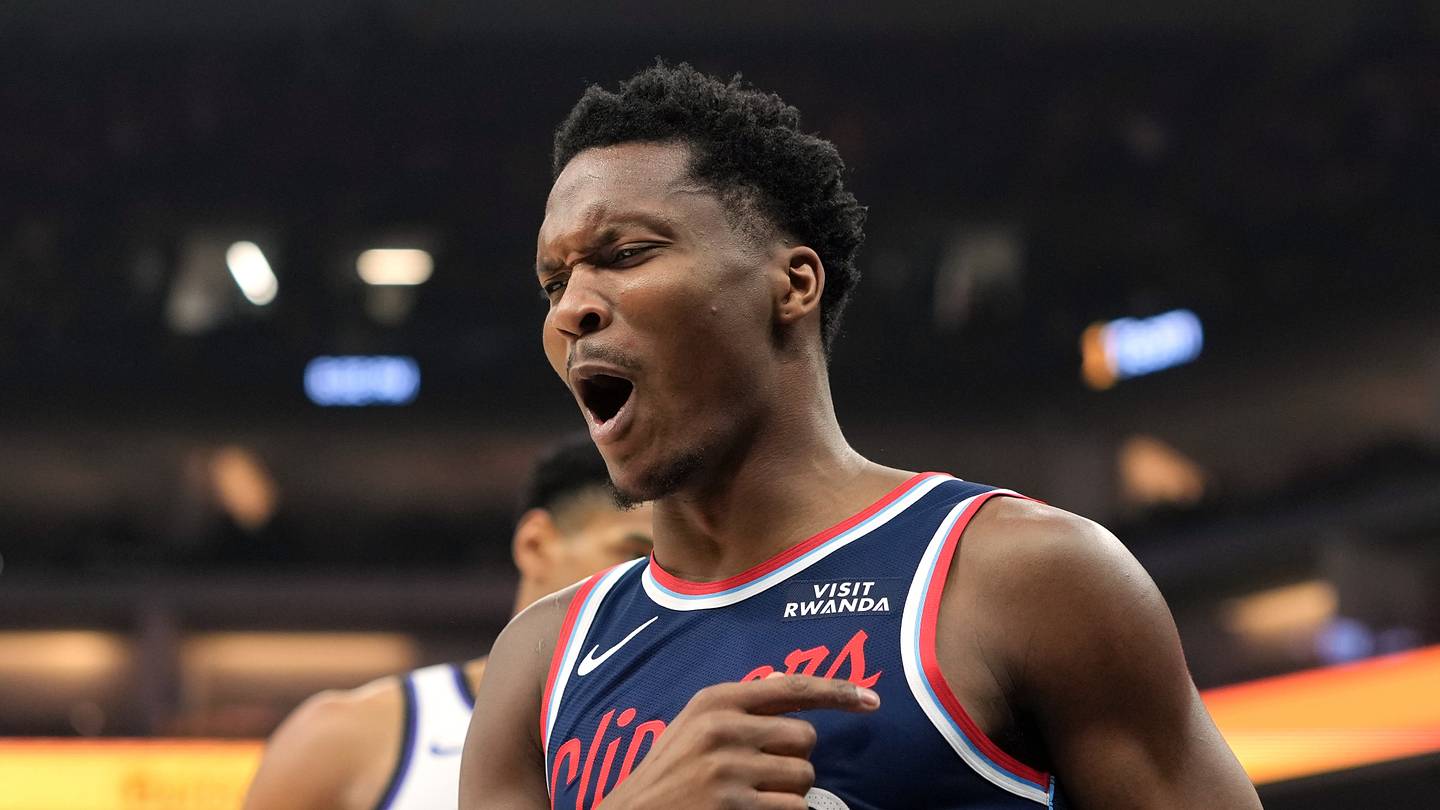
The New Orleans Pelicans made their first significant roster move of the offseason by signing forward Bennedict Mathurin to a two-year contract worth $16 million. Mathurin, who spent the previous season with the Los Angeles Clippers, arrives with a reputation as a reliable scorer off the bench. Over his career, the 24-year-old has averaged 16.2 points per game, a figure that suggests he can provide instant offense when the starters rest. Yet, for a team that managed just 26 wins last season, one addition alone cannot patch the many leaks in the roster.
Mathurin's signing brings the Pelicans' roster to 16 players, meaning they must make a transaction to comply with the league's 15-man limit before opening night. Earlier in the summer, rumors surfaced about backup guard Jordan Hawkins being a potential trade piece. Whoever departs, Mathurin will undoubtedly alter the rotation. The Canadian swingman, selected 10th overall by the Indiana Pacers in the 2022 NBA Draft, has a distinct strength: drawing fouls. He ranks fifth among guards and wings in free-throw rate since entering the league, and his 83% accuracy from the line makes him a candidate for closing duties in tight games. That skill could complement a Pelicans squad that finished sixth in the NBA in free-throw attempts per game last season, though that volume did not translate to success in clutch moments. New Orleans posted a woeful 12-30 record in games defined as clutch, a glaring weakness.
Identifying the core closing lineup is not straightforward. Zion Williamson, Trey Murphy III, and Dejounte Murray are locks to be on the floor late. Others like Herb Jones, Saddiq Bey, Jeremiah Fears, and Derrick Queen also have cases for minutes. If new head coach Jamahl Mosley prizes Mathurin's ability to create easy points at the line, constructing the final five becomes a nightly puzzle. The downside is that Mathurin is not a standout shooter or defender, which can be problematic in other situations. His downhill driving ability, however, helps open space for post players like Williamson and Queen, especially when they face double-teams near the basket. Mathurin has improved his playmaking, averaging nearly 2.5 assists per game, but he remains a modest passer. Playing alongside Williamson and Queen could boost those numbers.
Minutes allocation will be a challenge. Mathurin averaged nearly 30 minutes per game last season, but that figure is unlikely to hold in New Orleans. Playing him that much would limit the playing time of better defenders such as Micah Peavy and Bryce McGowens, who would otherwise see consistent runs barring injury. Mosley, known for a defensive-minded approach, may naturally lean toward lineups that prioritize stops, leaving fewer minutes for Peavy and McGowens. The most obvious casualty appears to be Jordan Poole. The former NBA champion is coming off a dismal season, posting his second-lowest shooting percentage since his rookie year. His hefty contract makes him a prime candidate to be traded before the deadline. Poole was a healthy scratch for long stretches last season and is on an expiring deal. While Mathurin and Poole are not identical players, Mathurin can absorb some of the isolation and ball-handling responsibilities that Poole previously handled.
The Pelicans did what they could late in the summer to add a player with potential impact. Mathurin's contract includes a player option after next season, so the team will give him ample minutes this year to evaluate the fit. Whether that impact translates to wins remains to be seen. Only time will tell if Mathurin's arrival helps the Pelicans climb out of the lottery.
Article commentary
The Pelicans' signing of Bennedict Mathurin is a calculated gamble that fills a specific need but does not address the team's broader structural issues. Mathurin's ability to draw fouls and score efficiently from the line is a clear asset, especially for a team that already ranked high in free-throw attempts but failed to convert that advantage into clutch wins. His 83% free-throw shooting makes him a logical choice for late-game situations, where the Pelicans stumbled badly last season with a 12-30 record. However, relying on foul-drawing as a primary weapon is a risky strategy; it depends on referees' consistency and the flow of the game, which can be unpredictable. Defensively, Mathurin is a liability. His lack of lateral quickness and inconsistent effort on that end will test Mosley's defensive system. The head coach, known for emphasizing defense, may find it difficult to hide Mathurin against elite scorers. This tension could lead to Mathurin's minutes fluctuating, especially in playoff-style matchups where every possession matters. The Pelicans already have several defensive-minded wings in Herb Jones, Micah Peavy, and Bryce McGowens, so Mathurin's role will likely be limited to offensive spark-plug minutes off the bench rather than a full-time starter. The roster crunch adds another layer of drama. With 16 players under contract, the Pelicans must cut or trade someone. Jordan Poole emerges as the most logical candidate to be moved. His expiring contract and poor performance last season make him a trade chip, but finding a taker for his salary will be challenging. The front office may have to attach a draft pick or take back a longer deal. If Poole stays, his minutes will be squeezed, potentially creating a toxic situation. The alternative is trading Jordan Hawkins, a younger guard with shooting potential, but that would be a bet on Mathurin's long-term fit. Ultimately, this move feels like a stopgap. Mathurin is a one-year rental with a player option, giving the Pelicans a chance to evaluate him without long-term commitment. But the team's core issues remain: a lack of consistent outside shooting, a porous defense, and a top-heavy roster with injury-prone stars. Mathurin's addition does not move the needle significantly toward contention. The Pelicans are still a team in transition, hoping that internal development from Williamson, Murphy, and Murray can carry them. Mathurin is a useful piece, but not a solution. If the Pelicans are serious about competing, they will need more than a mid-level free agent to fill the gaps.