Shein CEO Loses $15 Billion as IPO Falls Short
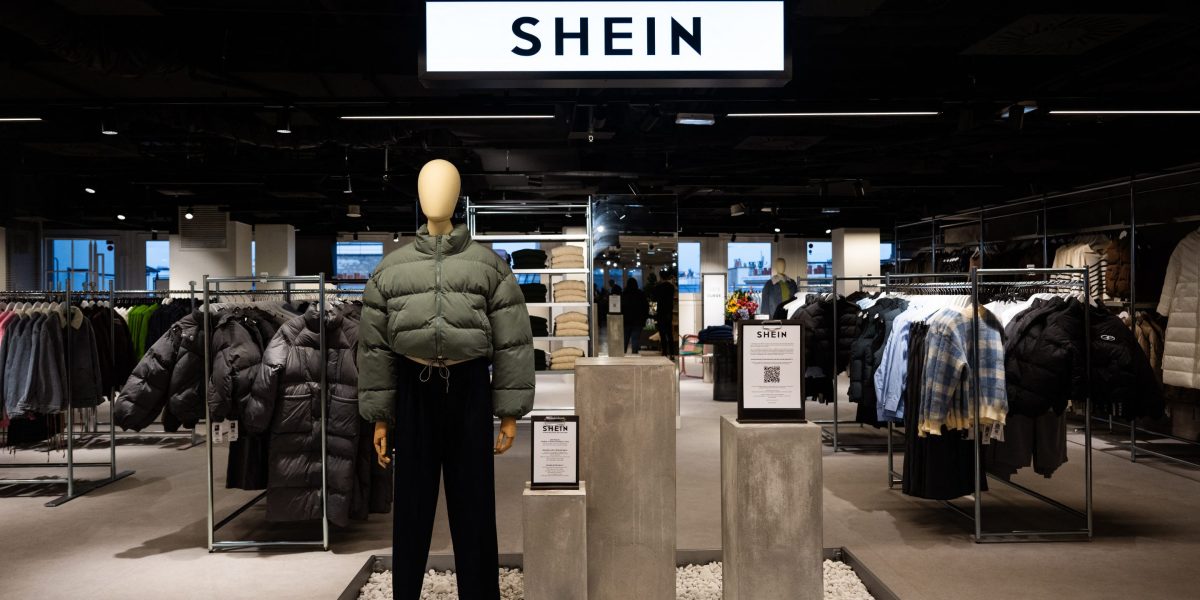
Source: Fortune. Casualplayhub News adds summary, context, and editorial framing while linking back to the original report.
Sky Xu, the reclusive billionaire behind Shein Global Holdings Ltd., once commanded a net worth of more than $23 billion as the fast-fashion titan soared past the parent companies of H&M and Zara. But in just four years, Xu’s fortunes have taken a sharp turn. As Shein gears up for its Hong Kong listing on Tuesday, the company’s valuation has shrunk to roughly a quarter of its 2022 peak of $100 billion. Xu’s 30% stake now clocks in at about $8 billion, according to the Bloomberg Billionaires Index—a decline of over $15 billion.
Part of the downfall stems from poor timing. Over the past year, a wave of Chinese consumer brands debuted to strong investor interest, only to be overshadowed by a slew of artificial-intelligence companies that captured the market’s imagination and minted new billionaires. “They definitely missed the window,” said Sam Wyatt, an international-equities portfolio manager at U Ethical Investors in Melbourne. E-commerce has lost its allure compared to the AI narrative, he noted.
The performance of Hong Kong IPOs has been mixed. Drinks maker Eastroc Beverage Group Co. and pig breeder Muyuan Foods Co. both trade below their listing prices despite billion-dollar debuts. The brothers behind Mixue Group, a bubble-tea chain, have seen their wealth shrink by more than a fifth since going public last year. A Shein spokesperson declined to comment.
Xu, 43, launched Shein in 2012 with three partners, all former colleagues at a search-engine marketing firm. They leveraged their digital expertise to build a retailer known for cheap, trendy clothes. The business boomed during the Covid-19 pandemic, fueled by young shoppers. But revenue growth has since slowed, as disclosed in July ahead of the IPO.
A key strategy—avoiding US and European import taxes through small parcel shipments—was upended last year when the Trump administration ended a crucial tariff exemption and the European Union imposed a fixed customs duty on small packages. “The direction of the market is changing, not in Shein’s favor, especially in the recent years,” said Sheng Lu, a professor of fashion and apparel studies at the University of Delaware. AI is also leveling the playing field, enabling competitors to respond more quickly to shifting consumer tastes.
Shein attempted to go public at its peak but faced hurdles in New York and London amid scrutiny over labor practices. Its supply chain is rooted in China, yet the US and Europe are its key markets. Executives distanced the brand from its Chinese origins and moved the global headquarters to Singapore, but they still needed Chinese regulators’ approval for an IPO. “Shein was the hottest topic two to three years ago—a Chinese firm that could have IPO’ed in the US because it already had a strong fast-fashion brand and consumer recognition,” said Jason Hsu, chief investment officer at Rayliant Global Advisors. “But the hot topic now is AI.”
Article commentary
The dramatic decline in Sky Xu’s wealth underscores how quickly market sentiment can shift, especially in the fast-paced world of consumer tech and fashion. Shein’s story is a cautionary tale about timing, regulatory winds, and the fleeting nature of hype. The company’s 2022 valuation of $100 billion reflected peak pandemic-era optimism, when e-commerce and fast fashion were unstoppable forces. But the post-pandemic landscape has been brutal: slowing revenue growth, tariff upheavals, and a pivot to AI have eroded Shein’s luster. Xu’s personal loss of $15 billion is not just a number—it highlights the vulnerability of founder-led companies that rely on a single narrative. Shein’s model of ultra-cheap, trend-driven apparel and its controversial use of small-package exemptions were always fragile. The Trump administration’s tariff changes and the EU’s new duties directly hit that model, forcing the company to adapt or suffer. Professor Sheng Lu’s observation that AI is leveling the playing field for competitors is particularly sharp: fast fashion’s edge was speed and data, but AI can now replicate that advantage for rivals. Then there is the IPO timing. E-commerce IPOs are no longer the darlings of the market, as Sam Wyatt pointed out. The Hong Kong exchange has seen a parade of AI companies drawing massive investor interest, while consumer brands like Eastroc and Muyuan languish below their listing prices. Shein’s attempt to go public in New York and London was blocked by geopolitical friction and labor concerns—issues that haven’t gone away. The company’s relocation to Singapore and reliance on Chinese regulatory approval only add layers of complexity. Yet it would be premature to write off Shein entirely. The company still commands a massive user base and a supply chain that can churn out new styles rapidly. The planned acquisition of Everlane, a US-based sustainable fashion brand, suggests Shein is trying to diversify and upgrade its image. But the road ahead is steep. The IPO’s reduced valuation may actually be a sobering reset, forcing management to focus on fundamentals rather than hype. For investors, the Shein saga offers a classic lesson: what goes up fast can come down just as quickly. The AI boom is currently the star, but it too will face its own corrections. The broader takeaway is that market leadership is transient, and companies that fail to anticipate regulatory and competitive shifts risk losing everything. Xu’s wealth collapse is a stark reminder that even billionaires are not immune to the whims of the market.