Anthony Edwards Embraces Leadership Role with Timberwolves
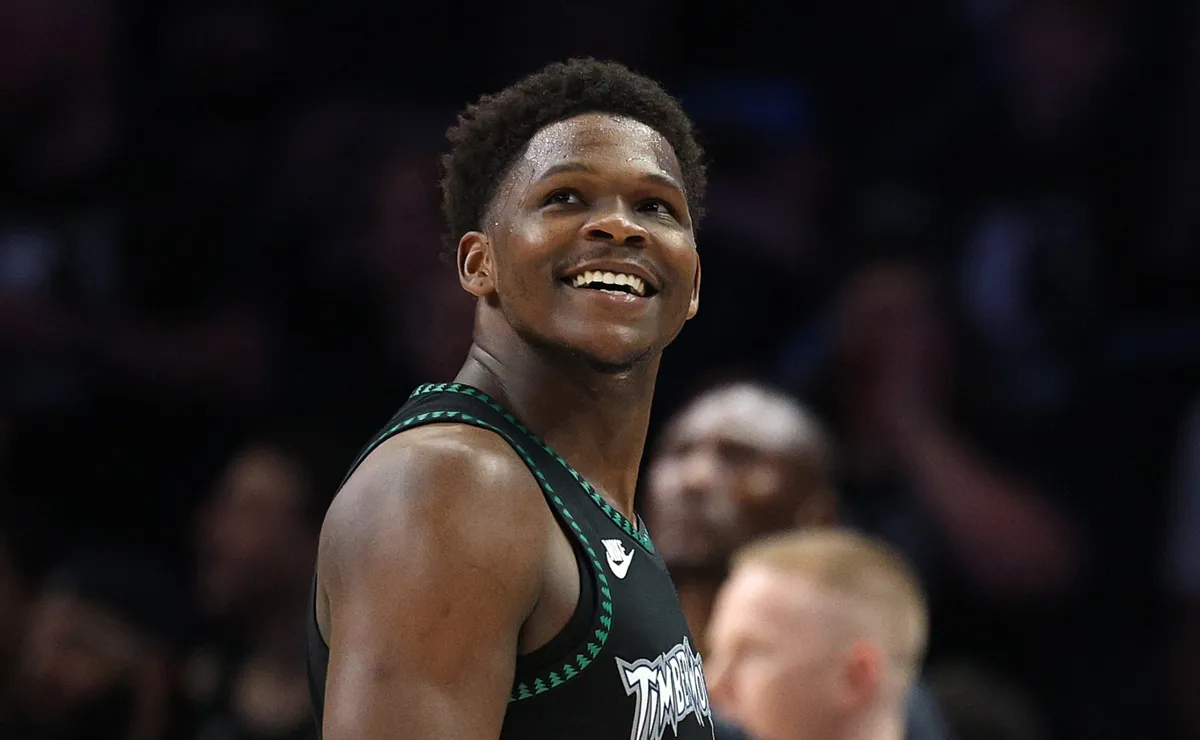
Source: Bolavip. Casualplayhub News adds summary, context, and editorial framing while linking back to the original report.
Ad eligibility review: sensitive-topic
Anthony Edwards is stepping into the spotlight as the undisputed leader of the Minnesota Timberwolves, and he is doing so with a mix of humility, generosity, and fierce competitiveness. The Timberwolves have made aggressive moves this offseason, trading Julius Randle and Naz Reid to acquire LaMelo Ball and Jonathan Kuminga. The franchise is pivoting to a guard-centric, high-octane system built around Edwards, but the 23-year-old star has made it clear that his role extends beyond scoring. He wants to create space for his teammates to shine, and he has already put that philosophy into practice.
Edwards’ leadership has been visible in several concrete ways. When LaMelo Ball was traded to Minnesota, Edwards immediately offered his home for Ball to stay in, helping the new arrival feel welcome in a new city. He also organized and financed a team trip to France to get extra practice reps in with Rudy Gobert, showing a commitment to building chemistry before the season even starts. During the recruitment of Jonathan Kuminga, Edwards focused on the defensive end, emphasizing that the Timberwolves need to be a two-way force. These actions have not gone unnoticed.
ESPN’s Brian Windhorst reported on the “Hoop Collective” podcast that Edwards is “very pleased” with the Timberwolves’ offseason. “Getting LaMelo, making this deal happen for Kuminga. If [Edwards’] extension was now, maybe he would be excited about this enough to sign it, maybe he thinks that LaMelo is going to be a perfect fit,” Windhorst said. The front office also bolstered the second unit by retaining Ayo Dosunmu and Bones Hyland, locking down Jaylen Clark with an extension, and bringing in veteran Trey Lyles.
On the court, the Timberwolves are chasing the Western Conference title after back-to-back appearances in the conference finals. Last season, they fell to the San Antonio Spurs in the second round, a series marred by injuries. Edwards played through a bone bruise in his left knee, Donte DiVincenzo missed the entire series, and Ayo Dosunmu was out with a calf injury. The team hopes that a healthier roster combined with the new additions will push them deeper into the playoffs.
Edwards has already shown he can balance stardom with team-first mentality. He understands that for the Timberwolves to succeed, he must elevate those around him. Whether it’s housing a new teammate, funding a cross-continental training camp, or recruiting a defensive-minded forward, Edwards is embracing the ultimate leadership role. The season ahead will test whether this rebuilt roster can translate that chemistry into wins, but the foundation is being laid by a franchise player who knows that leadership is about more than just scoring.
Article commentary
Anthony Edwards’ ascension as the Timberwolves’ leader comes at a pivotal moment for the franchise. After years of rebuilding and playoff heartbreak, Minnesota has finally assembled a roster that complements Edwards’ explosive scoring ability. The trades for LaMelo Ball and Jonathan Kuminga signal a clear philosophical shift: the Timberwolves are betting on speed, shooting, and versatility. But the success of that bet hinges on how well Edwards can integrate his own star power with the needs of his teammates. What stands out most about Edwards’ leadership this offseason is the authenticity of his actions. Offering LaMelo Ball a place to stay is not just a gesture of goodwill; it’s a practical move that removes the stress of relocation for a new player. Funding a team trip to France for extra practice with Rudy Gobert shows a willingness to invest time and money into building chemistry. Recruiting Kuminga and emphasizing defense demonstrates that Edwards understands the Timberwolves’ greatest weakness last season was their defensive inconsistency. These are not hollow promises—they are deliberate, costly, and public. However, there are significant challenges ahead. The Western Conference is loaded with elite teams: the defending champion Denver Nuggets, the rising Oklahoma City Thunder, the experienced Los Angeles Lakers, and the perennial contender Golden State Warriors. The Timberwolves’ new guard-heavy lineup may struggle with size and rebounding against teams like the Nuggets, who have Nikola Jokic and Aaron Gordon. Edwards will also need to adjust his own game to a system that now features two primary ball handlers in himself and Ball. Sharing the floor space and shot attempts could lead to friction if not managed carefully. Injuries remain a wild card. Edwards played through a knee bruise last postseason, and the team’s depth was exposed when DiVincenzo and Dosunmu went down. The front office has added depth, but durability is never guaranteed. Edwards’ leadership will be tested most when the team faces adversity—whether that’s a losing streak, a key injury, or internal tension. Ultimately, the Timberwolves are doing exactly what contenders should do: build around a young star who is ready to lead. Edwards has shown he is not just a scorer but a team builder. If he can continue to balance his own brilliance with the growth of his teammates, Minnesota could be a real threat in the West. But the margin for error is slim, and the pressure on Edwards will only grow. The coming season will reveal whether his leadership is as impactful as his talent.