Cavs Weigh Pros and Cons of Trading Craig Porter Jr.
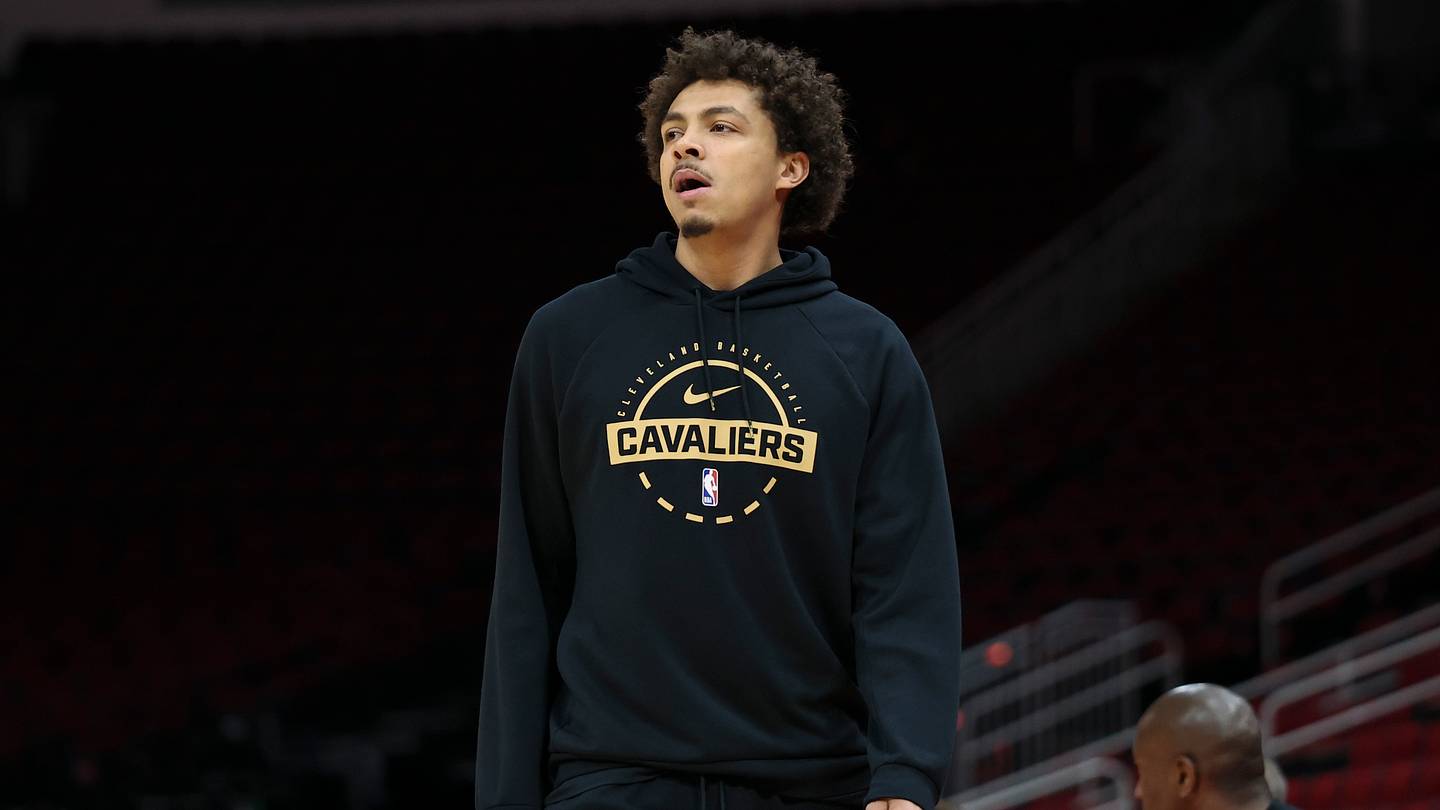
Source: SI NBA. Casualplayhub News adds summary, context, and editorial framing while linking back to the original report.
For three seasons, Craig Porter Jr. has been the Cleveland Cavaliers' most versatile utility piece. When a guard hits the injury list, he slides in. When the offense needs an extra ball-handler, he gets the call. Undrafted out of Wichita State, Porter has carved out a reputation as one of the league's most athletic small guards, standing at 6'2" with a knack for making plays on both ends. But now, as the Cavs navigate the financial realities of a team pushing toward the salary floor after a whirlwind offseason, they face a tough choice: trade Porter to free up cap space for a free-agent signing, or keep him as a low-cost piece of the rotation.
The pros of trading Porter start with his inconsistency. For every electrifying performance—like his effort against Miami last season—there are nights when his shot goes cold and he fades into the background. His senior year at Wichita State was a testament to his all-around game: he led the team in points, rebounds, assists, steals, and blocks. That versatility is real, but it hasn't always translated to consistent playoff minutes. The Cavs have been hesitant to rely on him during high-stakes stretches, and that lack of postseason trust is a red flag. A player like Bruce Brown, a veteran forward with playoff experience and similar salary expectations, could offer more reliable playmaking and defensive versatility. If the Cavs want to sign another free agent, moving Porter might be the most logical path.
Another factor is the development pipeline. The Cavs have young guards Tyrese Proctor and Meleek Thomas waiting in the wings. Trading Porter would open up minutes for these prospects, allowing them to gain NBA experience rather than marinating in the G League. Thomas, in particular, could benefit from a season of reps, much like Jaylon Tyson did last year with a similar developmental arc. Keeping Porter around might stunt that growth, especially if he's ahead of them in the rotation.
But the cons are equally compelling. Porter's contract is a bargain—he's a cheap, 6'2" guard who won't command much money in free agency next summer. That financial flexibility is rare. He's also proven to be a better two-way player than Proctor at this stage, offering a blend of perimeter defense and playmaking that the Cavs have come to rely on. The familiarity with the system gives him an edge over any new signing, who would need time to adjust. Keeping Porter could be the smarter long-term move, especially if the Cavs value continuity and depth over a short-term roster patch.
The decision ultimately hinges on the Cavs' timeline. Are they chasing a deep playoff run right now, or are they willing to bet on internal growth? Porter's role has been a clear indicator of the team's needs—he's the plug-and-play guy who can handle spot minutes, but he's not a cornerstone. If the Cavs can land a veteran like Brown without sacrificing too much, the trade makes sense. But if they're patient, Porter's development and low cost could pay dividends down the road.
As the offseason winds down, the Cavs' front office must weigh these factors. The clock is ticking, and every decision shapes the roster's balance. Porter's future in Cleveland remains uncertain, but one thing is clear: he's proven he belongs in the league, whether it's with the Cavs or elsewhere.
Article commentary
The Cavaliers' deliberation over Craig Porter Jr. encapsulates a broader tension in modern NBA roster construction: the conflict between short-term flexibility and long-term development. Porter, an undrafted gem who outperformed his draft status, represents the kind of low-cost asset that contending teams covet—but his inconsistency also highlights the limitations of relying on such players in high-leverage moments. The article rightly points to Bruce Brown as a potential upgrade, but the comparison is more nuanced than it appears. Brown is a proven playoff performer with a skill set that complements star players, but he's also older and more expensive. Porter's youth and cheaper contract give the Cavs a longer runway to extract value, especially if they believe his shooting can stabilize. The development of Tyrese Proctor and Meleek Thomas adds another layer. The Cavs are clearly investing in their young guard pipeline, and trading Porter could accelerate that process. However, the risk is that both prospects are unproven at the NBA level. Proctor has shown flashes but lacks Porter's athleticism; Thomas is raw and needs time. Keeping Porter as a bridge player might be the safest bet, allowing the youngsters to develop without pressure. The reference to Jaylon Tyson's path is instructive—he benefited from a year of G League seasoning before contributing. Thomas could follow a similar trajectory. From a salary cap perspective, the Cavs are walking a tightrope. Moving Porter would free up space to sign a veteran, but it also removes a known quantity from the rotation. The article correctly notes that Porter's familiarity with the system gives him an edge over any newcomer. In a league where chemistry often determines success, that intangible value shouldn't be underestimated. The Cavs' decision will likely come down to their assessment of Porter's ceiling. If they see him as a reliable rotation piece, they'll keep him. If they view him as a replaceable asset, they'll trade him. Ultimately, this is a low-stakes decision with high-strategic implications. Porter is not a star, but his role as a versatile backup guard is valuable. The Cavs must decide whether to prioritize the immediate upgrade or the long-term potential of their young core. Both paths have merit, and the outcome will reveal a lot about the team's front-office philosophy. The article provides a balanced analysis, though it could delve deeper into the market for Porter—what teams might offer, and whether the Cavs can get a draft pick or a veteran in return. Still, the core debate is well-framed, and the commentary reflects the complexities of roster management in the modern NBA.