Kyrie Irving's Trade Value: A Single First-Round Pick
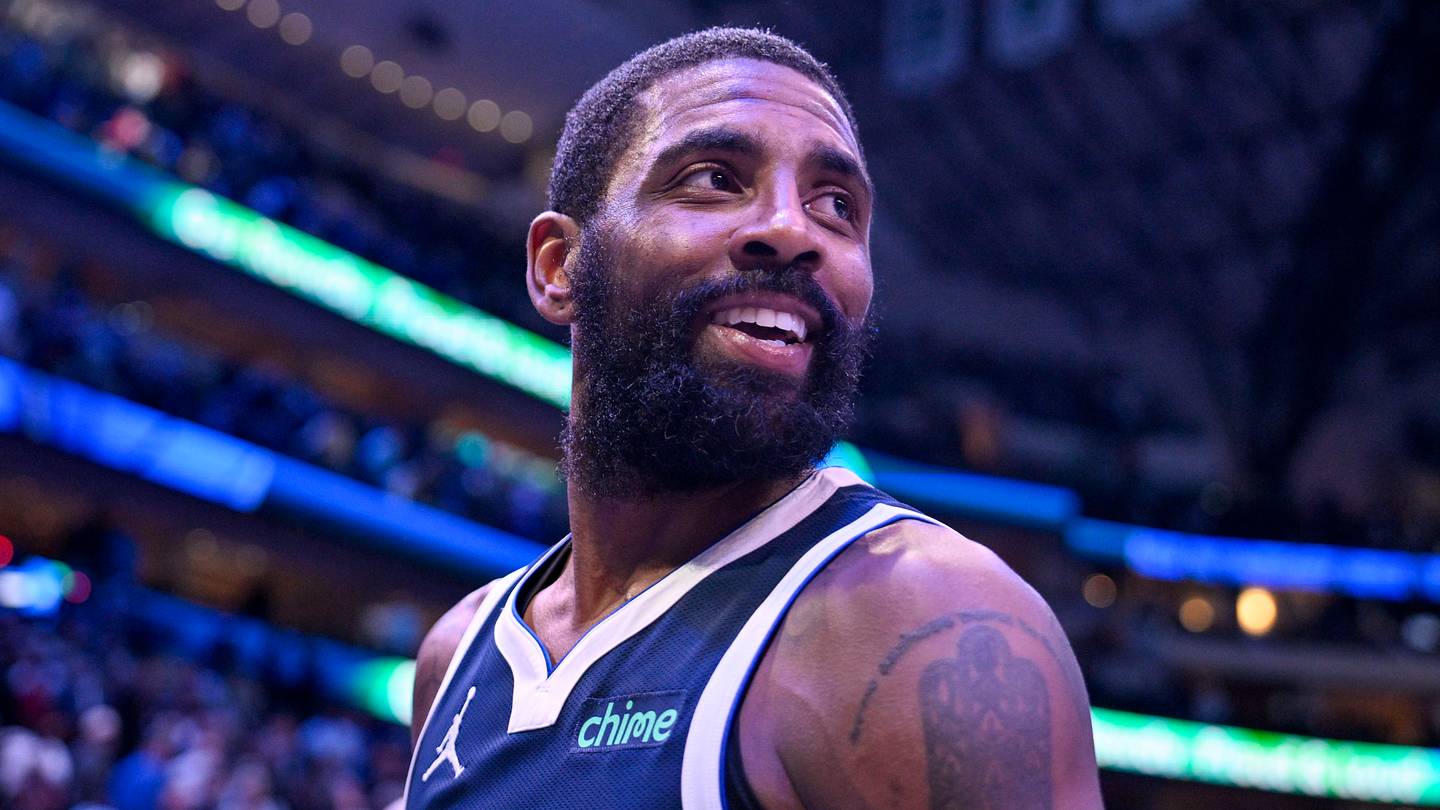
Source: SI NBA. Casualplayhub News adds summary, context, and editorial framing while linking back to the original report.
Ad eligibility review: sensitive-topic
The Dallas Mavericks have made it clear they want to keep Kyrie Irving, even as other teams circle with trade interest. They see the 34-year-old guard as an ideal partner for Luka Doncic, despite the 15-year age difference between them. Irving’s situation is complicated by his age and a recent ACL tear in his left knee, which has dampened his trade value around the league. According to a Western Conference executive, Irving’s value might only be a single first-round pick. Sean Deveney of Heavy.com reported the executive’s words: "If he comes back and he is scoring 24, 25 points (per game), then you will have teams willing to give up a first-round pick for him. Maybe more, maybe a young player, too. But with his injury history, I don’t think you give up more than one first."
Irving’s contract also factors into the equation. He holds a player option for the 2027-28 season, meaning any team trading for him would want assurances he’s committed for at least a few years. The Mavericks are in a difficult position regarding their own draft assets. They won’t control their first-round pick again until 2031, making every pick they can acquire precious. The new lottery rules make first-rounders harder to come by, so trading Irving for just one pick from a good team plus salary filler doesn’t make sense.
For now, Dallas will likely wait until the first month or two of the season to assess how the team looks. If they stumble out of the gate due to a tough schedule, trade talks could intensify around Christmas. Contending teams need guards, but what Irving wants for the latter part of his career remains unclear. He might want to chase championships, or he might be content with his personal life in Dallas. If Irving plays well and is willing to be traded, the Mavericks would need to get multiple picks back, even if that means taking on a bad contract. Getting a young player in return would be ideal, but unrealistic given his age and injury history, as the executive noted.
Ultimately, the reported trade value makes it easier for Dallas to keep Irving. The team can let him rehab his value in the first half of the season, then decide whether to deal him or hold on. The market is likely to be cautious, and the Mavericks have little incentive to move him for a modest return.
Article commentary
The reported trade value for Kyrie Irving—pegged at a single first-round pick—reveals how the NBA market has shifted for aging stars with significant injury history. Irving, at 34 and coming off an ACL tear, is no longer the tantalizing asset he once was. The Mavericks’ determination to keep him reflects both a strategic bet on his rehabilitation and a recognition that the trade offers they would receive are not worth the risk of losing him. From a team-building perspective, Dallas faces a delicate balancing act. They have Luka Doncic in his prime, and Irving, when healthy, provides elite scoring and playmaking. The age gap is notable, but Doncic and Irving have shown flashes of chemistry. The Mavericks’ poor draft pick situation—no first-rounder until 2031—means they cannot afford to trade Irving for a mediocre return. Keeping him and hoping he recovers his form is a reasonable gamble. If he returns to scoring 24-25 points per game, his value could rise, but the executive’s comment suggests teams are wary of his long-term durability. Irving’s contract, with a player option for 2027-28, adds another layer. Any team trading for him would want to know he’s willing to stay beyond this season. His unpredictable personality and past off-court controversies also factor into the equation. Contending teams that need a guard—like the Lakers, Suns, or Heat—might be interested, but they would likely offer only expiring contracts and a protected pick. The Mavericks should hold out for multiple picks if they do trade him, but the market may not cooperate. The new lottery rules make first-rounders more valuable, so teams are reluctant to part with them. Dallas’s best move is to let Irving play, rebuild his value, and then revisit the situation at the trade deadline. If he stays healthy and performs, they could get a better return. If not, they might be stuck with an aging star on a large contract. This situation highlights the risk-reward calculus of trading for a star with a major injury. The Mavericks are betting on Irving’s talent and resilience. The league is betting on his decline. For now, the reported value makes it easier for Dallas to keep him, but the clock is ticking on both his career and their window with Doncic.