Kaepernick: NFL Blackballed Me, I Won't Watch the League
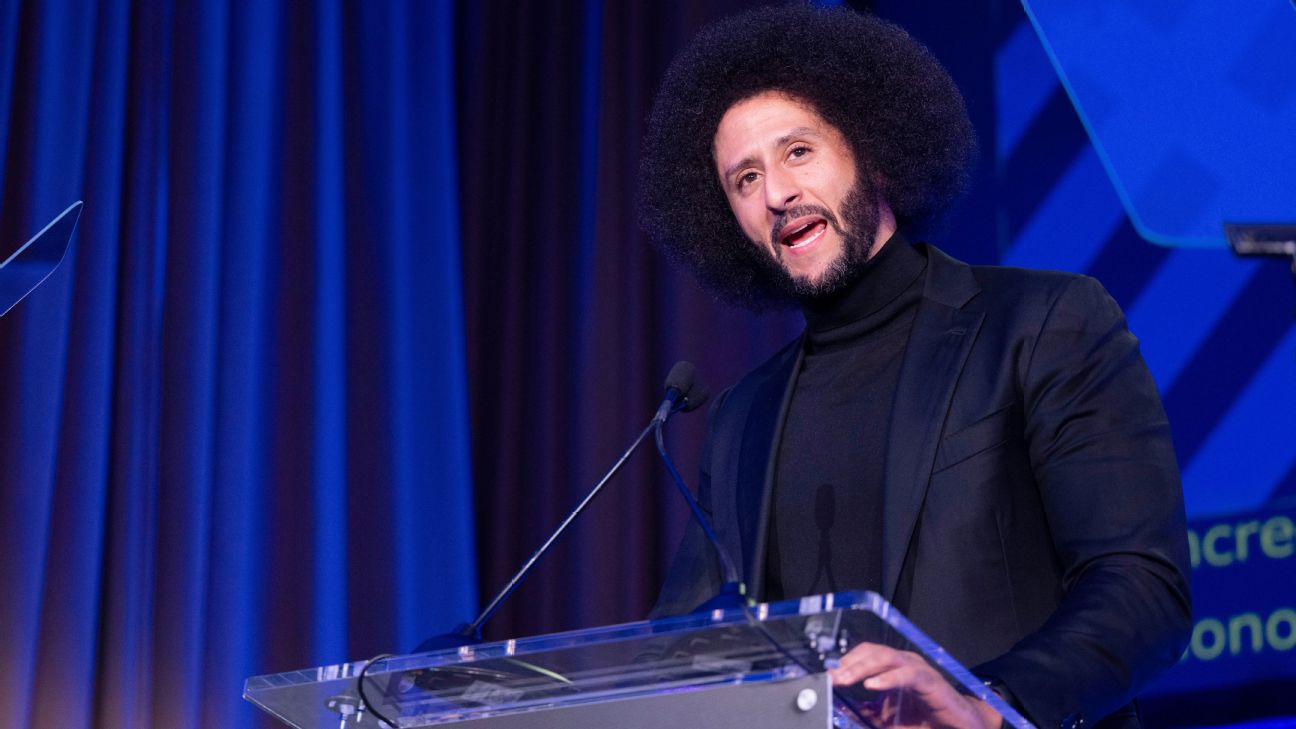
Source: ABC30 Fresno Sports. Casualplayhub News adds summary, context, and editorial framing while linking back to the original report.
Colin Kaepernick still watches football. But he has drawn a hard line: the NFL is off his screen. The former San Francisco 49ers quarterback, now 38, revealed in an interview with NBC News that he has shifted his attention to college football, openly rejecting the league he believes orchestrated his professional exile. "I’m not gonna support an organization that one, is actively blackballing me, but two, has targeted my brothers who have been protesting as part of this as well," Kaepernick said. His words carry weight for a player who last stepped onto an NFL field in the 2016 season finale, a career cut short after he began kneeling during the national anthem to protest racial injustice and police brutality. The protest, which started as a silent gesture, ignited a national firestorm and ultimately cost him his job. Kaepernick, who once led the 49ers to Super Bowl XLVII, has not been signed by any team since, despite repeatedly stating his desire to play. In 2017, he and former teammate Eric Reid, who knelt alongside him, filed a grievance against the NFL, accusing the league’s owners of colluding to keep them out. The two sides reached a settlement in early 2019, the terms of which remain confidential. But the bitterness has not faded. Kaepernick’s latest remarks make clear that he does not view the chapter as closed. Even in retirement—a status he has never formally declared—his frustration with the NFL lingers. Instead of dwelling on what might have been, Kaepernick has poured his energy into activism. His "Know Your Rights" camps, designed to educate young people about their legal rights and self-empowerment, have drawn participants from across the country. His foundation also funds independent autopsies for families who cannot afford them, including recently for Nolan Wells, a Mississippi teenager. These efforts, he said, are what drive him now. When asked by NBC News whether he thinks about his legacy, Kaepernick dismissed the question. "What I think about is what are the areas that I can do work that I think are going to have an impact and help us move towards that future together," he explained. "At the end of the day, people will decide what that legacy is, and hopefully that’s a positive one." His decision to shun the NFL entirely represents a new phase in his relationship with the sport. For years, fans and analysts speculated about a possible return, but Kaepernick’s public stance has hardened. He now watches college football, a league he sees as less tainted by the politics that sidelined him. The interview marks one of the few times Kaepernick has directly addressed his viewing habits. It also underscores the enduring divide between him and the league. The NFL has made efforts to promote social justice initiatives since the protests, but Kaepernick’s absence remains a powerful symbol. His critique is not just personal; it is systemic. He accuses the NFL of blackballing not only him but also other players who have spoken out. Reid, for instance, signed with the Carolina Panthers in 2018 but later said he felt the league’s owners were still reluctant to embrace him. Kaepernick’s story is one of the most polarizing in modern sports. To some, he is a martyr for a cause. To others, he is a player who could have been a star but chose politics over football. Either way, his influence persists. The "Know Your Rights" camps have become a fixture in underserved communities, and his foundation continues to offer resources that many families desperately need. As the 2026 NFL season approaches, Kaepernick’s absence from the field is now a settled fact. But his voice, as this interview shows, has not been silenced.
Article commentary
Colin Kaepernick’s latest comments represent more than just a personal grievance; they are a reflection of the ongoing tension between athlete activism and institutional power in professional sports. His decision to publicly shun the NFL is a calculated move that reinforces his narrative of being blackballed, a claim that has been debated for nearly a decade. While the league has taken steps to address social justice—such as funding community programs and allowing players to demonstrate during the anthem—Kaepernick’s continued exclusion from the game remains a glaring contradiction. It is worth noting that the NFL settled his collusion case, which, while not an admission of guilt, suggests that the league preferred to avoid a public trial that could have exposed internal discussions. The settlement, however, did nothing to change Kaepernick’s employment status. He has not been signed, and no team has publicly expressed interest in him since 2017. The reasons vary: some point to his declining performance in his final season, others to the media circus that would accompany his return, and still others to the lingering resentment among owners and fans. But the timing of his protest and the subsequent blacklisting—whether formal or informal—created a powerful precedent. It sent a message to other players that speaking out on divisive issues carries real career risk. That message has not been lost on the current generation of NFL athletes, who are more politically active than ever before. Kaepernick’s shift to focusing on college football is also telling. College athletes, particularly in the wake of Name, Image, and Likeness (NIL) reforms, are gaining more freedom to express themselves without the same level of professional retribution. By aligning himself with the college game, Kaepernick is signaling that he sees a healthier ecosystem there, one where activism is not punished as harshly. His "Know Your Rights" camps and foundation work further cement his legacy as a community organizer, not just a former quarterback. But the question of legacy is complex. Kaepernick himself says he does not think about it, but his actions suggest otherwise. Every interview, every camp, every statement is part of a deliberate effort to shape how history remembers him. The NFL, meanwhile, has moved on, but it cannot fully escape the shadow of his protest. The league’s social justice initiatives, while well-intentioned, are often criticized as performative. Kaepernick’s absence serves as a reminder that the NFL’s commitment to change is still incomplete. Ultimately, this story is about power: who has it, who loses it, and what happens when an athlete tries to wield it against the system. Kaepernick may never play another down, but his influence on the sport and society is undeniable. Whether that influence is ultimately positive or negative depends on one’s perspective. What is clear is that his voice remains one of the most potent in the ongoing conversation about race, justice, and sports in America.