Premier League 2026 Summer Transfers: Ranked
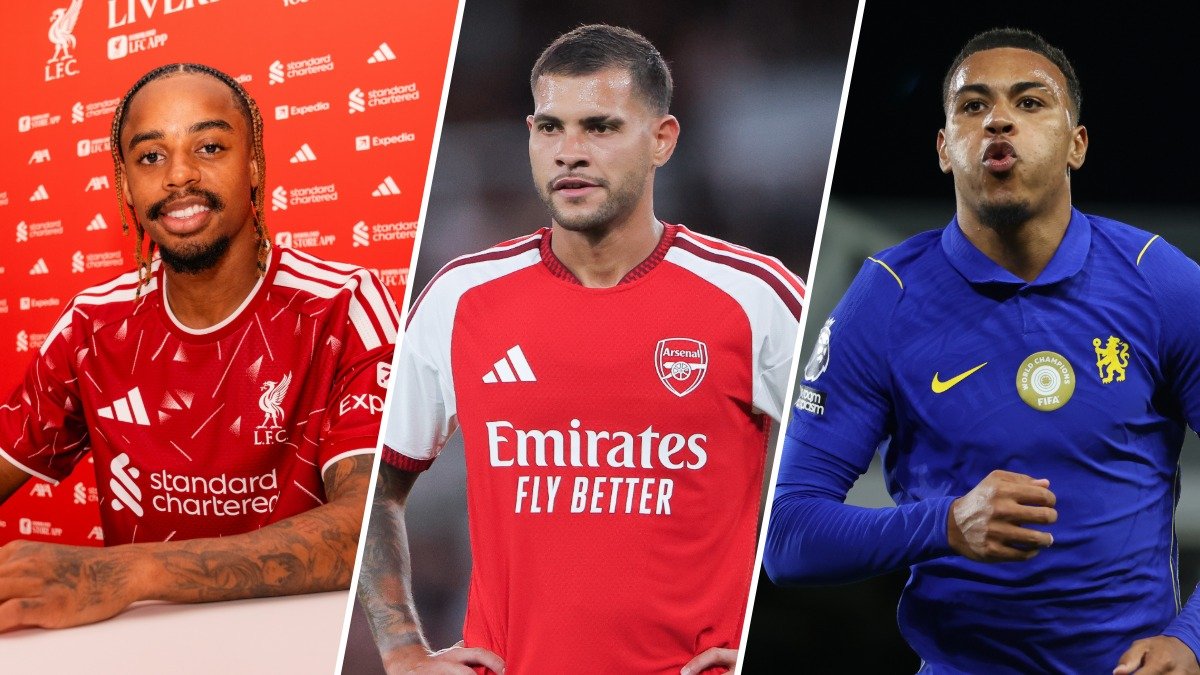
Source: NBC Chicago Sports. Casualplayhub News adds summary, context, and editorial framing while linking back to the original report.
The Premier League’s summer transfer window slammed shut, ending a period of frantic squad-building that began in mid-June. Teams executed sales, signings, and loans, with multiple elite players commanding enormous fees. Some transfers occurred between the league’s traditional powerhouses, while others drew talent from abroad. Here’s a ranking of the most notable deals from the 2026-27 window, based on the fee paid and the expected impact on the pitch.
Starting at the bottom, Tottenham Hotspur had a wildly expensive summer after consecutive 17th-place finishes. Head coach Roberto De Zerbi faces a tough task, and his new midfield signing Sandro Tonali—formerly of Newcastle United—doesn’t justify the triple-digit price tag. Tonali is a solid midfielder, but at that cost, he must dominate games and deliver match-winning performances. He is not that kind of player; a fee between £50 million and £60 million would have been fair. Then there’s the £85 million splash on Savio, a winger from Manchester City. He has flair but limited end product, making the outlay highly questionable.
Manchester City underwent a massive midfield overhaul following Pep Guardiola’s departure. New manager Enzo Maresca targeted his former Chelsea star Enzo Fernandez, but the British-record fee seems excessive. Like Tonali, Fernandez cannot single-handedly control a game, though he has a knack for scoring timely goals. Those traits hardly merit such a sum. City then paid another triple-digit fee for ex-Nottingham Forest midfielder Elliot Anderson. Anderson excels at winning balls and engaging in duels, but he too is overpriced. A maximum of £70-£80 million would be reasonable, though he does maintain City’s midfield base at a decent level.
Liverpool abandoned their long-standing reluctance to spend big on attacking players. Last year’s marquee signings, Alexander Isak and Florian Wirtz, have yet to fully justify their fees. This summer, the club splashed a huge amount on left winger Bradley Barcola from Paris Saint-Germain, who was primarily a backup in France. With Mohamed Salah gone, the long-term right-winger remains unclear. Barcola thrives on running in behind from the left, but his finishing is inconsistent. Another overpay, leaving questions about his eventual return.
Chelsea, despite finishing 10th and missing European competition, opened their wallet thanks to sales revenue. Morgan Rogers joined from Aston Villa for the club’s highest transfer fee ever. He fits Xabi Alonso’s 3-4-3 system as a left-sided attacker. At 6-foot-2, Rogers possesses elite ball-carrying and striking ability, though his off days can be dreadful. Still, he is a game-changer and should help a Chelsea side playing only once a week climb the table.
Ironically, Manchester City’s most impactful midfield signing might be their cheapest. Ayyoub Bouaddi, an 18-year-old from Lille, replaces the profile of Rodri: a tall defensive midfielder who controls tempo and distributes with range. He needs time to develop his box-crashing ability like the 2024 Ballon d’Or winner, but he already influences games at a high level. If his development goes as planned, the fee will look like a bargain.
Across town, Manchester United also revamped their midfield. Youri Tielemans arrived from Aston Villa, and Andrey Santos came from Chelsea, but the standout is ex-Brighton man Carlos Baleba. The 22-year-old is less effective in the final third than Tielemans, but his recovery speed, ball-carrying, and passing range are rare for a left-footer. United needed running power in the center, and Baleba provides that. He can also play left-back, plugging a hole in the squad.
Reigning league champions Arsenal had a quieter attacking window but struck gold with two key signings: defender Ezri Konsa from Aston Villa and former Newcastle captain Bruno Guimaraes. The Brazilian turns 29 in November, so the fee is high, but he helps forge the league’s best midfield, adding value with his passing and goal contributions. If Arsenal repeat as champions, Guimaraes will be a central reason.
Honorable mentions go to a few budget-friendly deals. Brentford secured Mamadou Sangare from RC Lens for over £40 million; with his early performances, he may soon command a £100 million price tag. Newly promoted Coventry City signed Ghanaian midfielder Caleb Yirenkyi for around £23 million plus add-ons. He is a perfect box-to-box option, but Coventry must avoid relegation to keep him. Hull City, aiming to stay up, landed Greek goalkeeper Konstantinos Tzolakis, 23, who has a bright future. If he maintains his form, Hull’s survival chances improve significantly.
Article commentary
The 2026 Premier League summer transfer window once again underscored the immense financial firepower of English clubs, but also highlighted a recurring theme: paying premium prices for talent that may not fully deliver. This year’s rankings reveal a market where desperation and competition for limited top-tier players drive fees beyond rational value. Tottenham’s spending spree after consecutive 17th-place finishes is a case in point. The club invested heavily in Sandro Tonali and Savio, yet both players carry significant question marks regarding their ability to be game-changers. Tonali, a competent midfielder, has never been a dominant force, and Savio’s inconsistency in the final third suggests the £85 million outlay was a gamble rather than a calculated investment. This reflects a broader trend: clubs in lower table positions often overpay to attract names, hoping for a quick turnaround, but such moves rarely yield immediate returns. Manchester City’s midfield overhaul after Pep Guardiola’s exit is intriguing. The signings of Enzo Fernandez and Elliot Anderson for record or near-record fees mirror the club’s strategy of buying established talent, but neither seems to be a perfect fit for the system. Fernandez’s inability to control games alone and Anderson’s limited ceiling suggest City may have overcorrected for the loss of Rodri’s influence. The most promising move for City could be the least expensive: Ayyoub Bouaddi, a raw but talented 18-year-old who mimics Rodri’s profile. This shows a shift toward long-term investment, though the immediate pressure to compete may force him into action too soon. Liverpool’s decision to spend big on Bradley Barcola continues a pattern of high-risk attacking signings. With Mohamed Salah’s departure, the club lacks a clear heir on the right wing, and Barcola’s role as a backup in France raises concerns about his readiness for a leading role. The £100 million-plus fees for attackers have become normal, but the track record of such deals in the Premier League is mixed at best. Chelsea’s Morgan Rogers signing is a calculated risk. His physical profile and skill set fit Xabi Alonso’s system, but his inconsistency is a worry. For a team playing only once a week, the margin for error is smaller, and every bad performance stands out. The club’s reliance on sales to fund such deals shows the financial balancing act required in the modern era. Arsenal’s acquisition of Bruno Guimaraes stands out as the most impactful move. The Brazilian brings experience, leadership, and technical quality to a midfield that already includes Declan Rice and Martin Odegaard. The fee is high for a 29-year-old, but the immediate upgrade to the starting XI could be the difference in retaining the title. This highlights a key lesson: sometimes paying a premium for proven quality is wiser than chasing younger, cheaper alternatives. Overall, the window reflects a market where clubs are willing to spend astronomical sums, but the returns are far from guaranteed. The most successful teams often blend savvy scouting with strategic overpaying, but the margin for error is thin. As the season unfolds, these rankings will be tested, and the true value of these signings will be measured not in pounds, but in points and trophies.