The Clippers' Secret Weapon: Derrick Jones Jr. as Sixth Man
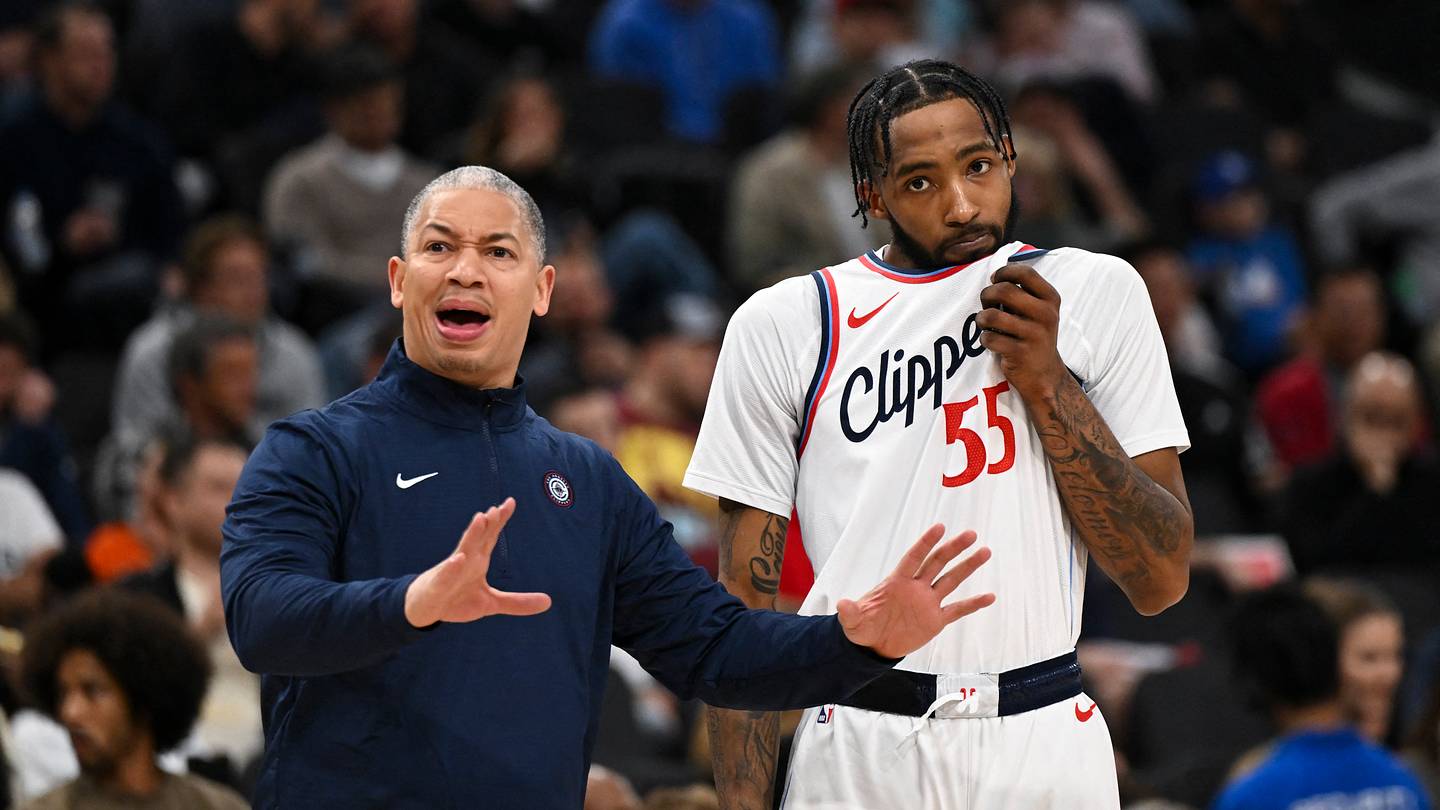
Source: SI NBA. Casualplayhub News adds summary, context, and editorial framing while linking back to the original report.
Ad eligibility review: sensitive-topic
The Los Angeles Clippers are heading into uncharted territory. For the first time in nearly a decade, the team isn't burdened by championship-or-bust expectations. The Kawhi Leonard era has ended, and with it, the aura of immediate contention. Yet the Clippers' front office, led by Steve Ballmer, Lawrence Frank, and head coach Ty Lue, hasn't signaled a full teardown. They want to remain competitive, but the roster as currently constructed doesn't hide a sleeping giant. Still, there are ways this team can exceed expectations, and one reserve stands out as the key to that possibility.
Derrick Jones Jr. joined the Clippers in the 2024 offseason and quickly became a fixture in the starting lineup, starting 45 of his 50 games last season. However, the team's recent acquisitions have reshuffled the depth chart. The arrival of Brandon Ingram, Rui Hachimura, and Brook Lopez appears to solidify the starting frontcourt, paired with point guard Darius Garland. The shooting guard spot remains open, but Jones Jr. is more likely to come off the bench in the new-look squad. Whether he starts or not, his minutes will be significant. Ty Lue may even turn to him as a closer, valuing his defensive impact in crunch time.
Jones Jr. brings a rare combination of size, length, and athleticism that makes him the Clippers' second-best defender behind Kris Dunn. While Dunn excels at harassing guards, Jones Jr.'s ability to defend forwards gives the team a crucial edge. He averaged 0.9 steals and one block per game last season, constantly disrupting opposing offenses. His help defense is particularly valuable—he can switch onto smaller players, challenge shots at the rim, and force turnovers. The Clippers need all the defense they can get.
The projected starting lineup of Garland, Ingram, Hachimura, and Lopez presents significant defensive liabilities. The Garland-Keaton Wagler backcourt pairing will be a target for opponents. Ingram and Hachimura have the size but are below-average defenders. Lopez, at this stage of his career, lacks the quickness to be a reliable rim protector. That's why Ty Lue must lean on players like Jones Jr. and Dunn. If the 29-year-old small forward can stay healthy, he will command a substantial role. And if he can expand his offensive game beyond catch-and-shoot threes, Jones Jr. could become indispensable.
The Clippers don't have the personnel to be a top-tier defensive team. But they need to reach a respectable level to compete night in and night out. A healthy Jones Jr. logging 25 to 30 impactful minutes per game could be the bridge to that goal. His energy, versatility, and willingness to take on tough assignments give the Clippers a chance to surprise many. In a season defined by transition, Jones Jr. might be the most important reserve on the roster.
Article commentary
The Clippers' shift from perennial contender to transition team is a fascinating case study in roster management. After the Kawhi Leonard era, the franchise is caught between a desire to remain relevant and the reality of a roster that lacks a clear top-tier star. The addition of Brandon Ingram, Rui Hachimura, and Brook Lopez signals a focus on size and scoring, but the defensive gaps are glaring. This is where Derrick Jones Jr. enters the picture. Jones Jr. is not a flashy player, but his value lies in the intangibles. In a league increasingly defined by switchable defenders and chaos-creators, he fits a needed niche. The Clippers' projected starting lineup features multiple players who are defensive liabilities. Darius Garland, while dynamic offensively, is a target on that end. Ingram and Hachimura have never been known for lockdown defense. Brook Lopez, once a shot-blocking force, has lost a step. The result is a team that could be exploited by any competent offense. Jones Jr.'s ability to guard multiple positions, from quick guards to powerful forwards, allows Ty Lue to mix and match lineups. He can hide weaker defenders, blitz pick-and-rolls, and recover to contest shots. His 0.9 steals and one block per game last season hint at his disruptive potential. But his impact goes beyond stats. His presence on the floor forces opponents to think twice about attacking certain areas, which can elevate the entire team's defensive intensity. However, Jones Jr. is not a cure-all. The Clippers still lack a true rim protector after Lopez's decline, and their perimeter defense remains a question mark. Jones Jr. can only cover so much ground. The team's success will depend on how well Lue can scheme around these weaknesses. If Jones Jr. can stay healthy and continue to develop his shooting—especially off the catch—he becomes a two-way threat. A 30-minute-per-game role off the bench would allow him to maximize his energy and impact. From a broader perspective, the Clippers' approach mirrors that of many teams in transition: they are not tanking, but they are not loading up for a title run either. They are building a competitive culture while developing young players. Jones Jr., at 29, is in his prime and can serve as a bridge between the old guard and the future. If he performs well, he could become a trade asset or a long-term piece. Either way, his role this season is pivotal. The Clippers may not contend for a championship, but they can still be a tough out. With a healthy Derrick Jones Jr. anchoring the second unit, they have a chance to exceed the low expectations placed upon them. In a league where defense often wins games, having a versatile stopper off the bench is a luxury that many playoff teams lack. The Clippers would be wise to maximize his minutes and let him be the difference-maker he can be.