MLB ABS Challenge System 2026: Team and Player Rankings
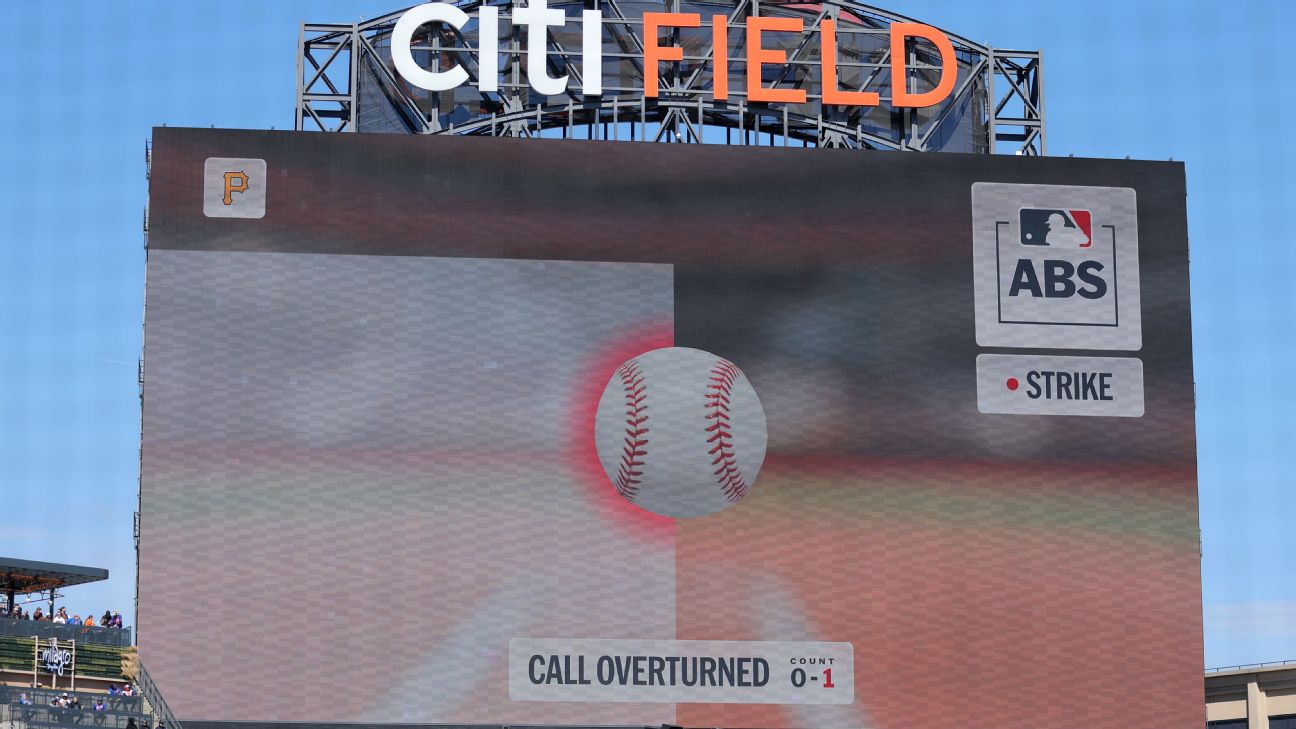
Source: ABC 7 Chicago Sports. Casualplayhub News adds summary, context, and editorial framing while linking back to the original report.
Major League Baseball's 2026 season has been defined by the introduction of the ABS challenge system, a high-tech innovation that gives players a direct voice in umpiring decisions. The system, implemented league-wide, permits batters, pitchers, and catchers to challenge a ball or strike call. Each team is allotted two challenges at the start of the game. If a challenge is successful, the team retains that challenge; if they challenge incorrectly twice, they lose their remaining challenges for the entire game.
The ABS challenge system tracker, updated through Tuesday, September 1, 2026, provides a comprehensive ranking of performance across four categories: batters, catchers, teams, and umpires. The data offers a window into how effectively each player and team has used the new rule. For batters, the success rate of their challenges can indicate a deep understanding of the strike zone. Catchers, who often initiate challenges, are evaluated on their judgment. Teams are ranked by overall challenge win percentage, and umpires are ranked by the number of challenges against them and their reversal rate.
The list of teams covered includes all 30 MLB franchises, from the Atlanta Braves to the Chicago Cubs, as well as the Athletics and others. The rankings highlight the competitive landscape: some teams have embraced the system with remarkable success, while others have found it a liability. The system has also influenced game strategy, with managers and players debating when to use a challenge. A wrong challenge in a crucial moment can be costly, making the decision a high-stakes gamble.
Umpires, too, feel the impact. The tracker shows which umpires are most frequently challenged, and how often their calls are overturned. This data may lead to adjustments in training and accountability. The system is not without critics, who worry about the pace of play and the potential for over-reliance on technology. Yet early returns suggest that the ABS challenge system has added a new layer of excitement and fairness to the national pastime.
As the season heads toward its final weeks, the challenge tracker will continue to evolve. The data from September 1 provides a snapshot of the season's trends. The final standings will be closely watched, as teams seek to gain any edge in the playoff race. The 2026 season marks a turning point for baseball, blending tradition with modern technology in a way that could define the sport for years to come.
Article commentary
The implementation of the ABS challenge system in Major League Baseball for the 2026 season represents a significant shift in how the game is officiated. By allowing players to question ball and strike calls, MLB has introduced a level of accountability that was previously absent. The system, while still in its infancy, has already sparked debate about fairness, pace of play, and the role of technology in sports. From a strategic standpoint, the challenge system adds a new dimension to the game. Teams must decide when to use their limited challenges, balancing the risk of losing them against the potential reward of overturning a crucial call. This decision-making process places a premium on players' understanding of the strike zone and their ability to read the umpire's tendencies. Catchers, in particular, have become key strategists, as they are often the ones to signal a challenge. The data from the tracker suggests that some teams have developed a knack for picking the right moments, while others have squandered their opportunities. The system also has implications for umpire performance. The increased scrutiny may lead to more consistent calls, as umpires know their decisions can be challenged. However, it also raises questions about the authority of the umpire. The human element, long a cherished part of baseball, is now subject to technological review. This tension between tradition and innovation is at the heart of the debate. Comparing the ABS challenge system to similar systems in other sports offers insight. Tennis has long used Hawk-Eye for line calls, and cricket has the Decision Review System. Both have been generally accepted by players and fans, though they have also introduced delays. Baseball's challenge system is more limited than cricket's, where players can challenge a wider range of decisions. The two-challenge limit in baseball is designed to prevent excessive delays, but it may also penalize teams that are unlucky or that face particularly inconsistent umpires. One potential criticism is that the system may not address the underlying issue of umpire accuracy. While challenges can overturn egregious errors, they do not correct all mistakes. The system is reactive, not proactive. Some have called for fully automated strike zones, which would eliminate the need for challenges. Yet the challenge system offers a compromise, preserving the human element while providing a check on obvious errors. The data from the tracker, updated through September 1, 2026, will be invaluable for teams and analysts. It can reveal patterns in umpire behavior and player performance. The rankings themselves may become a point of pride or embarrassment, adding another layer of competition. As the season concludes, the challenge system's legacy will be evaluated. For now, it has made the game more interesting, even if it has not yet resolved all the debates about technology and tradition.