Mantua Storm Wreaks Havoc: Flooding, Blackouts, and Downed Trees
Source: Press of Alantic City Business. Casualplayhub News adds summary, context, and editorial framing while linking back to the original report.
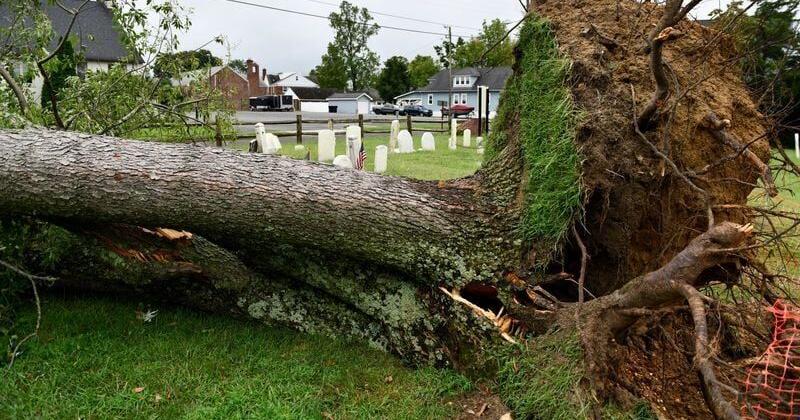
A severe storm tore through the Mantua region Tuesday night, leaving a landscape of snapped trees, flooded streets, and thousands without power. Officials are pleading with drivers to stay away as emergency crews scramble to clear hazards and help residents. In a Facebook post shortly after the storm hit on the evening of September 1, the Mantua Township Fire Department described the scene: “Multiple trees and wires are down throughout the area.” The township police added, “First responders are assisting residents impacted by the storm. Emergency vehicles need clear access. Please be patient and allow crews to work.” The storm erupted between approximately 8:15 and 9:30 p.m., according to the National Weather Service, pummeling a swath of land stretching from Chester County in Pennsylvania across parts of Salem and Gloucester counties in South Jersey. High winds toppled trees and ripped down power lines across Mantua, as well as in neighboring communities such as Harrison, Pitman, and West Deptford. By 9:20 p.m., multiple roads in Williamstown were reported under water, and in Monroe Township, residents huddled as hail the size of dimes and quarters pelted the neighborhood. The damage was swift and widespread. By Wednesday morning, Atlantic City Electric reported nearly 2,900 customers in the Mantua area were in the dark. The utility did not provide an estimated time for restoration, leaving residents uncertain. Road closures multiplied throughout the night. Fire officials said Bridgeton Pike was shut down between Mantua Boulevard and Mount Royal Road, and Berkeley Road between Bridgeton Pike and Harrison Avenue. Several residential streets also became impassable. The fire department’s statement urged caution: “Please adhere to all road closures and do not drive around any barricades that have been placed on roadways.” In the Historic Union Graveyard in Mantua Township, a large uprooted tree lay sprawled across the ground, a stark reminder of the storm’s force. The scene was captured on Wednesday, September 2, as recovery efforts began in earnest. The storm’s impact rippled through the region, with emergency responders working through the night and into the next day. While no injuries were immediately reported, the combination of downed power lines, standing water, and debris posed significant risks. Residents were advised to stay home and avoid travel unless absolutely necessary. The National Weather Service’s storm report confirmed the timeline and locations of the worst damage, noting that the system unleashed its fury within a narrow window of just over an hour. As cleanup continues, the focus remains on restoring power and clearing roadways. The community, still reeling, is leaning on the coordinated efforts of local fire, police, and utility crews.
Article commentary
The storm that tore through Mantua and surrounding areas late Tuesday is a stark reminder of how quickly severe weather can disrupt daily life. The event, while not unprecedented in its intensity, highlights vulnerabilities in infrastructure and emergency response systems that communities across the country face. The fact that nearly 2,900 customers lost power and that road closures were still in effect hours after the storm passed underscores the challenges of restoring normalcy in a timely manner. The emergency response appears to have been swift: local fire and police departments issued public warnings almost immediately, using social media to disseminate critical information. The clear message to avoid the area and respect barricades is a best practice that can prevent further accidents and injuries. However, the lack of an estimated restoration time from Atlantic City Electric points to a broader issue: utilities often struggle to provide accurate timelines during widespread outages, leaving residents in the dark—literally and figuratively. This storm also raises questions about preparation and resilience. With the frequency of severe weather events seemingly on the rise, communities like Mantua must invest in tree-trimming programs, drainage improvements, and backup power options for critical facilities. The fact that the storm caused damage from Pennsylvania through South Jersey suggests a weather system of significant scale, but the concentrated damage in a relatively small area also indicates that local topography and tree density played a role. The National Weather Service’s detailed report, including the specific time window of 8:15 to 9:30 p.m., provides valuable data for meteorologists and planners. Such granularity helps refine forecasting models and improve warning systems. For residents, the experience is a reminder to have emergency kits, stay informed, and heed official warnings. The sight of a large tree uprooted in a historic graveyard is a poignant symbol of nature’s indifferent power. Long-term, this event should prompt a review of infrastructure resilience—particularly power lines that are vulnerable to falling trees and flooding. Underground utilities, while more expensive, could reduce outages in future storms. In the immediate aftermath, the focus is rightly on clearing roads and restoring power. But the broader lesson is that communities must adapt to a changing climate where such storms may become more common. The collaborative efforts of firefighters, police, and utility crews in Mantua demonstrate the strength of local response, but systemic improvements are needed to ensure that the next storm does not leave thousands in the dark for hours on end.