Ravens GM Confident Jackson Deal Will Be Done – And It Must Be
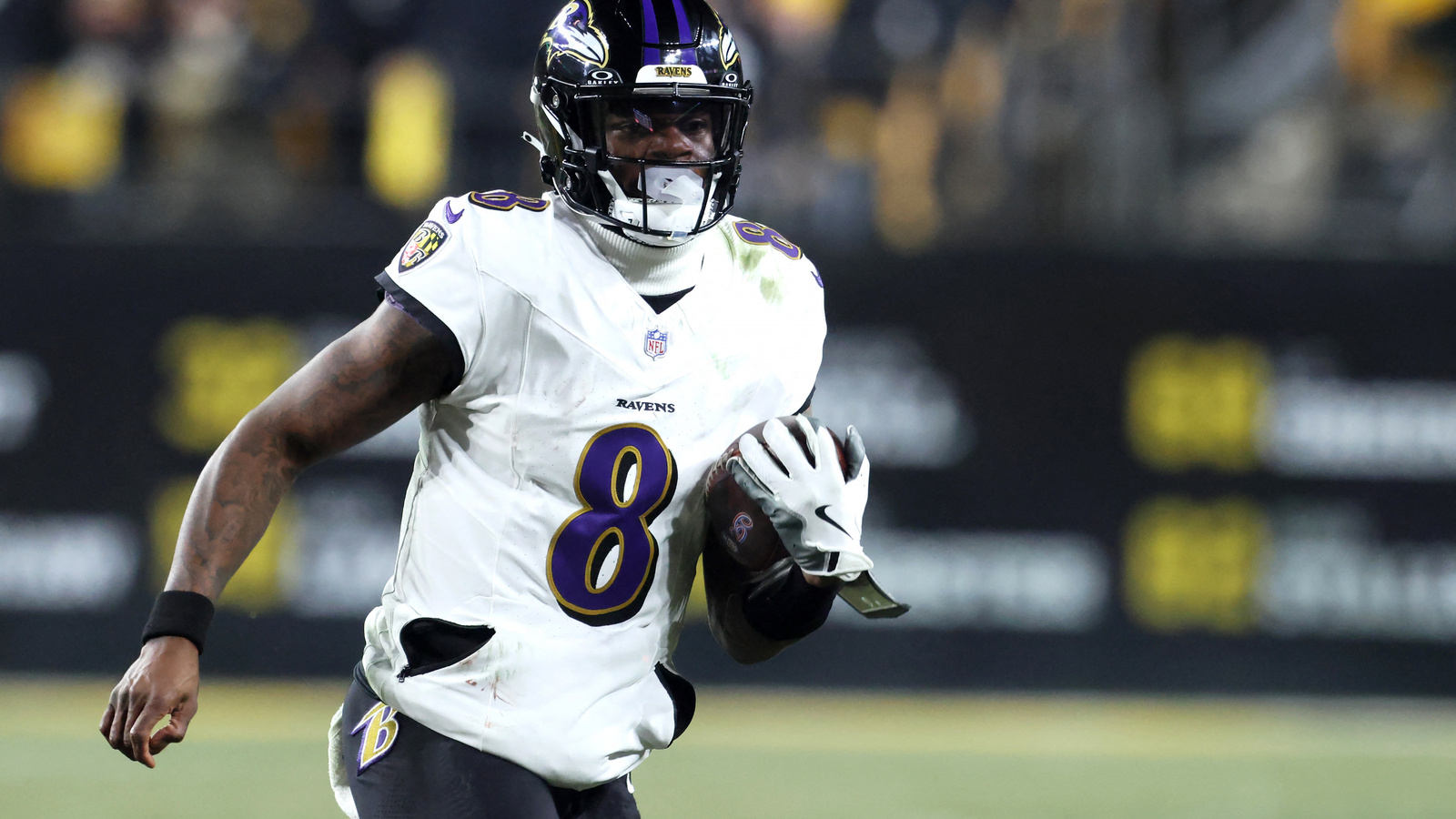
Source: Yard Barker. Casualplayhub News adds summary, context, and editorial framing while linking back to the original report.
The Baltimore Ravens are staring down another high-stakes negotiation with their franchise quarterback, Lamar Jackson, and the clock is already ticking. With two years remaining on his current contract, the conversation around a new deal has begun in earnest. General manager Eric DeCosta, speaking Wednesday, projected confidence that a contract extension will be completed before next March. But given the history and the unique circumstances surrounding Jackson, that confidence must be backed by results.
Jackson’s contract journey has never been ordinary. The last round of talks grew tense, culminating in the quarterback publicly requesting a trade before the two sides ultimately hammered out a deal that made him the highest-paid player in NFL history at the time. That landmark agreement has since been surpassed by a wave of new contracts, dropping Jackson to 11th among the league’s top earners. The dynamic is further complicated by the fact that Jackson handles his own negotiations, choosing not to hire an agent. DeCosta acknowledged this reality, telling ESPN, “We’ve been in this position before. I think it’s just communication, right? Lamar and I have a great relationship and we talk. That’s what it really amounts to — communication.”
That communication better be extensive and productive in the months ahead. If the Ravens enter the final year of Jackson’s contract without a new deal, the organization will face a maze of difficulties. Jackson’s current contract includes two critical provisions: a no-trade clause and a no-tag clause. The no-tag clause means the franchise tag cannot be used after the 2027 season, removing one of the most powerful tools teams typically rely on to retain star players. Combined with the no-trade clause, Jackson would have total control over any potential move, forcing the Ravens into a corner. If they cannot meet his asking price or choose not to, they risk losing him for nothing in free agency, with no ability to force a trade or tag him to secure compensation.
That scenario would be disastrous for a team built around Jackson’s singular talent. He is the engine of the Ravens’ offense, a three-time first-team All-Pro and a two-time Most Valuable Player. Even at 30 years old when his next contract kicks in, Jackson remains one of the league’s elite players, capable of carrying the franchise for years to come. The Ravens have been through this dance before, and they have shown a willingness to get deals done. The fact that they do not need to finalize anything immediately buys them some breathing room, but the pressure is unmistakable.
DeCosta’s confidence is not baseless. He and Jackson have maintained a functional relationship, and the general manager has navigated tough negotiations before. But the margin for error is razor-thin. Every misstep or delay could embolden Jackson to explore his options, and with the control he holds, the Ravens cannot afford to let this drag out. The coming months will test whether the communication DeCosta prizes is enough to lock down the face of the franchise for the long haul.
Article commentary
The Ravens find themselves in a familiar yet precarious position: negotiating with a generational talent who holds more leverage than most quarterbacks in NFL history. Lamar Jackson’s contract situation is unique not just because of his on-field brilliance, but because of the structural protections he secured in his previous deal. The no-trade and no-tag clauses effectively strip the Ravens of the standard tools teams use to retain superstars. That shifts the power dynamic squarely in Jackson’s favor, making each negotiation a delicate dance rather than a straightforward business transaction. Eric DeCosta’s public confidence is understandable from a relationship standpoint. He and Jackson have a working rapport, and the quarterback has shown a willingness to engage directly without an agent. But that same lack of representation can also introduce unpredictability. Jackson’s previous trade request demonstrated that he is not afraid to apply pressure when he feels undervalued. The fact that his contract has fallen to 11th in league earnings, despite his two MVP awards, gives him a strong argument for a raise. The Ravens will need to balance rewarding him with maintaining financial flexibility for the rest of the roster. From a strategic perspective, the Ravens have time but not unlimited time. The 2025 season will be the second-to-last year of Jackson’s deal, and if no extension is reached by March 2026, the organization will enter the final year without any guarantee. That would create a situation where Jackson could essentially dictate terms or walk away. The Ravens cannot afford to let that happen. Losing Jackson for nothing would set the franchise back years, given how difficult it is to find a quarterback of his caliber. Age is another factor. Jackson will be 30 when his next contract begins, an age where many mobile quarterbacks start to decline. However, Jackson’s skill set is not purely reliant on speed; his passing has improved significantly, and his football IQ is elite. The Ravens can reasonably expect several more years of high-level play. The question is whether they can structure a deal that protects them against long-term risk while giving Jackson the security he wants. Ultimately, this negotiation is a test of DeCosta’s leadership and the organization’s ability to manage a superstar with unusual leverage. The Ravens have been here before and succeeded, but the stakes are even higher now. If they get it right, they lock in a franchise cornerstone. If they get it wrong, they could lose the best player in team history without a safety net. The next few months will reveal whether the confidence is justified or misplaced.