Thunder Must Stay Focused on Championship, Not Distractions
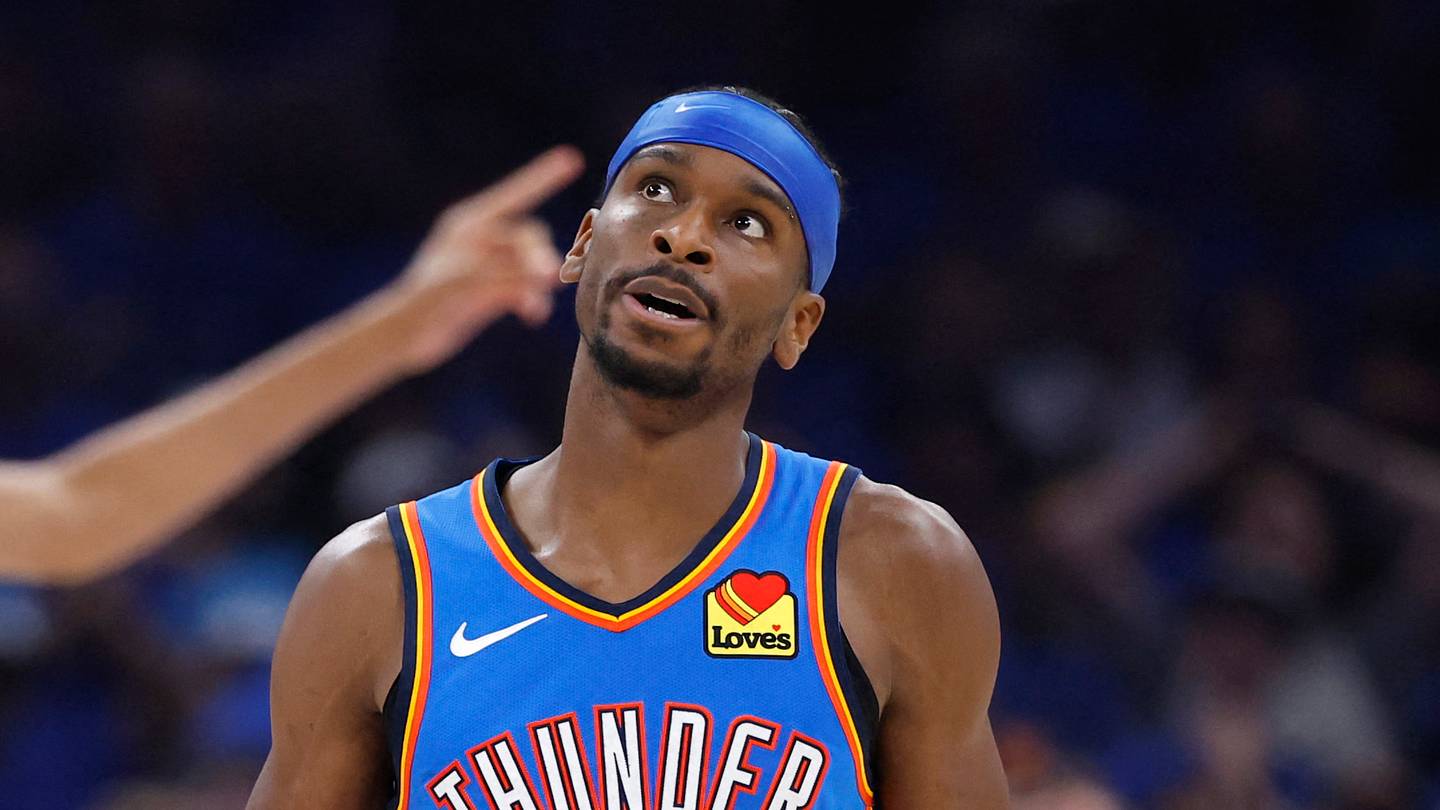
Source: SI NBA. Casualplayhub News adds summary, context, and editorial framing while linking back to the original report.
The Oklahoma City Thunder are walking into the coming season with a target on their backs—and a lot of proving to do. After falling short in the Western Conference Finals last year, the franchise knows that returning to the NBA Finals is the only acceptable outcome. But the path to that goal is littered with tempting distractions, and the Thunder must navigate them with discipline.
For the past two seasons, OKC has owned the best record in the entire NBA. For three straight years, they have claimed the top seed in the Western Conference. On paper, that looks like a dynasty in the making. But the numbers can be deceiving. Chasing that No. 1 seed year after year comes with a physical toll. Home-court advantage is nice, but the Thunder have proven they can win on the road. The real danger is overexerting players just to secure a marginal edge that might not matter in the postseason. If the team runs away with the top spot naturally, fine. But grinding for it after a long playoff run? That is a risk they cannot afford.
The in-season NBA Cup presents another shiny object. It is a chance for the Thunder to flex their muscles and show the league they are still the team to beat. But the prize is money and bragging rights—nothing more. Winning the Cup does not bring a championship banner. The Thunder must resist the urge to treat this tournament as anything more than a tune-up. Emptying the tank for a mid-season trophy would be a mistake.
Player development adds another layer of complexity. The Thunder have a deep bench of rising stars, and there will be moments when those young players need to take over games. But the organization must not become married to the idea of forcing young talent into the spotlight. Development is important, but it must serve the larger goal of winning a title. That means knowing when to let veterans lead and when to let the kids learn—without sacrificing wins.
Last season delivered a painful lesson. The Thunder entered the Western Conference Finals without Jalen Williams and Ajay Mitchell, both sidelined by injuries. That absence contributed directly to their elimination. The lesson is clear: a healthy roster is the most valuable asset OKC possesses. The team must allow its stars to rest at key points during the regular season, even if it means dropping a few games. The balance between securing a strong seed and preserving energy for the playoffs is delicate, but essential.
With so many potential accomplishments—best record, NBA Cup, home-court advantage—the Thunder face a crowded landscape of priorities. But the ultimate measure of success is an NBA Championship. Everything else is a means to that end. If the Thunder stay focused on the main prize, they have the talent to get there. If they get distracted by the shiny things along the way, they risk another season of what-ifs.
Grayson Buchanan, a sports media major at Oklahoma State University who has covered various sports since 2024, contributed to this report.
Article commentary
The Oklahoma City Thunder's situation is a classic case of a team that has achieved regular-season excellence but still hungers for postseason glory. The core message of this piece—that the Thunder must avoid chasing secondary accolades—is sound, but it deserves a deeper examination of the trade-offs involved. First, the concept of 'overexertion' is valid but not absolute. The Thunder have a young core that can handle a heavy workload. Shai Gilgeous-Alexander, Jalen Williams, and Chet Holmgren are all in their physical primes. The risk of injury is real, but so is the risk of losing rhythm by resting too much. The 2023-24 season showed that the best teams often use the regular season to build chemistry and test strategies. Dropping games intentionally can backfire if it costs the team home-court advantage in a tight series against a team like Denver or Boston. Second, the NBA Cup is derided as a mere 'money and bragging rights' tournament, but it has value beyond the surface. It provides competitive intensity in November and December, keeping players engaged. For a team like the Thunder, winning the Cup could build a winning culture and add a symbolic step toward a championship. The risk of injury exists, but it is present in every game. The real question is whether the Thunder can manage minutes wisely during the tournament, not whether they should avoid competing. Third, the player development argument is nuanced. The Thunder have a deep young roster, including players like Cason Wallace and Ousmane Dieng, who need minutes to grow. If the team prioritizes winning every game, these young players might not get the reps they need to become playoff contributors. The 2024 playoffs exposed a lack of depth when Williams and Mitchell were injured. Developing that depth during the regular season is not a distraction—it is an investment. The team must find a balance between winning now and building for the future, but that balance is not as simple as 'don't let young players take over.' Finally, the article's focus on last season's injuries is apt. Williams and Mitchell were key losses. But the Thunder also faced a brutal Western Conference where every opponent was elite. The path to the Finals runs through Denver, Minnesota, Phoenix, and others. Home-court advantage might matter more in those series than the article suggests. OKC is a great road team, but playing Game 7 in Denver is a different beast. In conclusion, the Thunder's primary goal is indeed the championship. But the path is not about avoiding every distraction; it is about smartly navigating them. The team should pursue the one seed if it comes naturally, compete in the NBA Cup with controlled minutes, and develop young players in a structured way. The key is intelligent management, not abstinence from every secondary goal. As long as the front office and coaching staff keep the championship as the North Star, the Thunder can handle the rest.