Ben Simmons to Kings: A Low-Risk, High-Reward Move
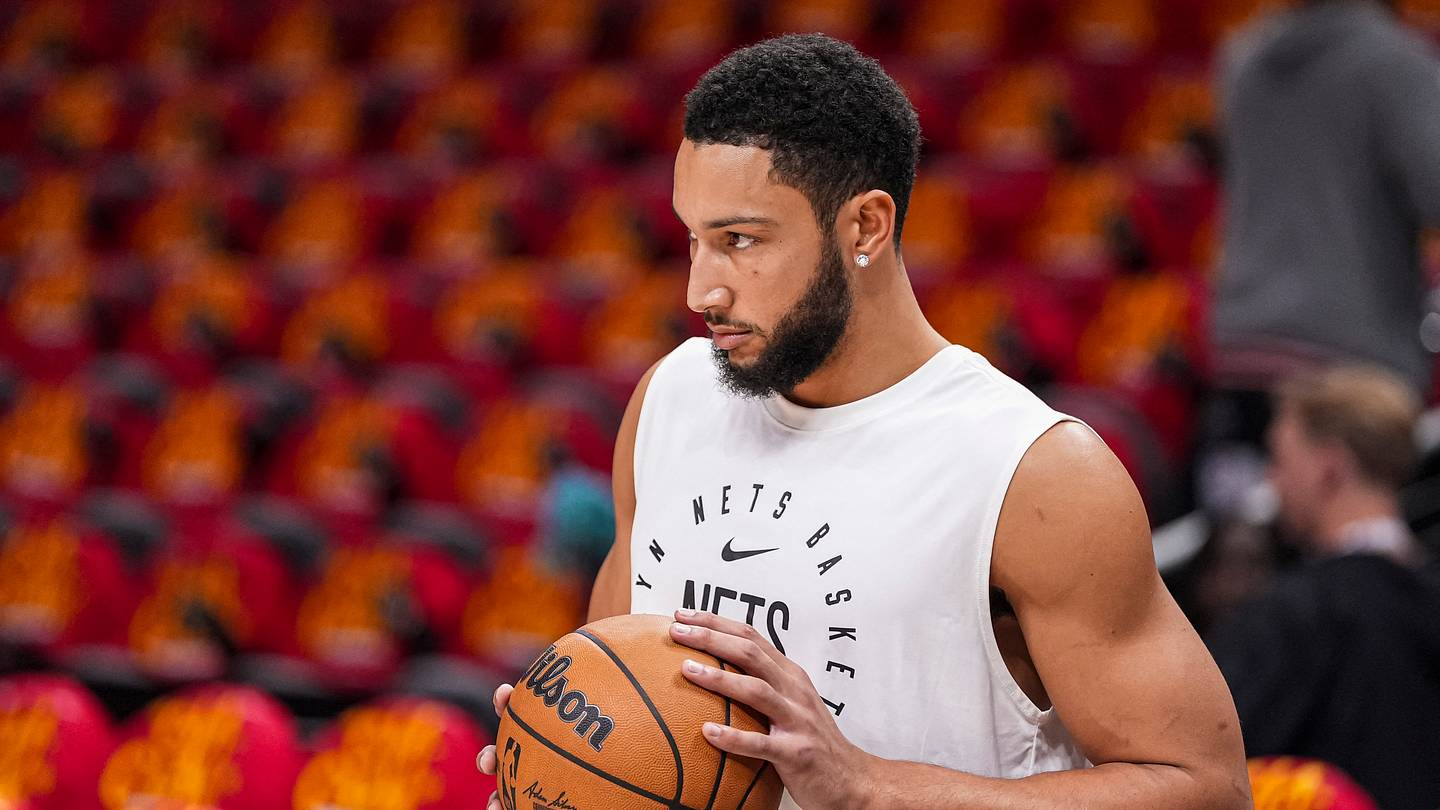
Source: SI NBA. Casualplayhub News adds summary, context, and editorial framing while linking back to the original report.
Ad eligibility review: sensitive-topic
The Sacramento Kings have made a bold yet calculated move, signing three-time All-Star Ben Simmons to a one-year, $3.5 million contract. The deal comes after the Kings brought Simmons in for a workout, as reported by Shams Charania. The front office, led by Scott Perry, had also explored other veteran options—Victor Oladipo, Cameron Payne, and Elfrid Payton—after Russell Westbrook chose to retire. But Simmons’ unique blend of size (6’10") and elite defensive instincts tipped the scales. For a team that struggled with perimeter defense and playmaking depth, the gamble is easy to understand.
Simmons sat out the entire 2025-26 season, but his resume speaks for itself: three All-Star appearances, two All-Defensive selections, and an All-NBA nod. At 30, he still has the physical tools to be a disruptive force. The Kings are betting that a season away from the game has refreshed him, and that his skill set can morph to fit a roster built around rookie Darius Acuff Jr., the seventh overall pick in the 2026 draft.
Acuff Jr., the SEC Player of the Year from Arkansas, is a dynamic on-ball creator. But the transition to the NBA often involves a steep learning curve, especially against elite athletes. Simmons’ presence offers a safety net. As a ball-handler and passer, he can take pressure off Acuff, allowing the rookie to work off the ball—relocating, spotting up, and attacking closeouts. Analysts have noted Acuff’s off-ball movement and decisiveness, traits that could flourish with Simmons running the offense. The Kings can use Simmons as a screener and lob threat, similar to how Draymond Green operates in Golden State, creating easy looks for Acuff and opening up the floor.
However, the fit is not seamless. Simmons is a non-shooter, which clashes with Sacramento’s center rotation. Domantas Sabonis, Max Raynaud, and Dylan Cardwell all lack consistent outside shooting. Sabonis has decent percentages but low volume; Raynaud has potential but hasn’t proven he can stretch defenses; Cardwell is a non-factor from deep. To maximize Simmons, the Kings will need to surround him with three shooters at all times. Raynaud’s willingness to shoot and ability to occupy the dunker spot make him the most logical partner for Simmons at the five. The pairing could work if the rest of the lineup can space the floor effectively.
Beyond Acuff, Malik Monk stands to benefit from Simmons’ arrival. Monk, who helped lead the Kings back to the playoffs two seasons ago, saw his role shrink last year due to defensive concerns. Playing alongside Simmons, a versatile defender, allows Monk to focus on his strengths: attacking downhill, hitting catch-and-shoot threes (45% last season), and providing secondary playmaking. Simmons’ screening and passing should create cleaner looks for Monk, reducing the need for him to manufacture offense against loaded defenses.
The vision is clear: Simmons provides a low-cost, high-upside solution to Sacramento’s roster imbalances. If he can recapture even a fraction of his former All-Defense form, the Kings will have added a critical piece. If not, the one-year deal ensures minimal risk. For a team with playoff aspirations and a promising young core, this is a move worth making.
Article commentary
The Sacramento Kings’ decision to sign Ben Simmons to a one-year, $3.5 million contract is a textbook example of a low-risk, high-reward move in today’s NBA. The franchise, fresh off missing the playoffs in a competitive Western Conference, needed to address two glaring weaknesses: perimeter defense and secondary playmaking. Simmons, despite his long hiatus, offers a unique skill set that could fill both gaps. But the signing also raises questions about fit, mileage, and the psychological toll of his absence from the game. On paper, the fit with rookie Darius Acuff Jr. is intriguing. Acuff is a dynamic scorer who thrives with the ball, but his off-ball game has been underrated. Simmons can serve as a primary initiator, allowing Acuff to roam and catch defenses off balance. This mirrors how the Golden State Warriors have used Draymond Green to unlock shooters, though Simmons is a more talented passer in transition. The defensive pairing also works: Simmons’ length and instincts can cover for Acuff’s inevitable struggles against NBA guards. However, the spacing issue with Sacramento’s big men is a real concern. Domantas Sabonis, despite his passing brilliance, is not a floor spacer. Max Raynaud and Dylan Cardwell are even less reliable. The Kings will need to get creative with lineups, possibly using Simmons at the five in small-ball units, a role he has historically resisted. If the coaching staff can convince him to embrace that, the upside increases. Then there is the question of Simmons’ physical and mental readiness. He has not played competitive basketball in over a year, and his last few seasons were marred by injury and diminished confidence. The one-year, $3.5 million deal is a prove-it contract, but the Kings are betting that a change of scenery and a reduced role will rekindle his aggression. Historically, players who take a season off often struggle to regain their rhythm. Simmons’ value was always tied to his athleticism and defensive versatility; if he has lost a step, he becomes a liability on offense. The Kings are essentially investing in a rehabilitation project, albeit one with a low financial cost. From a broader league perspective, this move signals that Sacramento’s front office is willing to take calculated risks rather than settling for mediocrity. Other teams passed on Simmons, but the Kings saw an opportunity to add a talent that was once considered a cornerstone. The move also puts pressure on the coaching staff to integrate Simmons effectively. Doug Christie and his team must design offensive sets that mask Simmons’ shooting limitations while maximizing his playmaking. Defensively, they can deploy him as a roamer, using his length to disrupt passing lanes. Ultimately, the success of this signing hinges on three factors: Simmons’ health, his willingness to adapt, and the Kings’ ability to surround him with shooters. If all three align, Sacramento could have stolen a former All-Star for pennies on the dollar. If not, the team will simply move on next summer with no long-term cap damage. In a league where championship windows are narrow, this is the kind of move that either accelerates a rebuild or fizzles out harmlessly. The Kings have nothing to lose and everything to gain.