Lane Kiffin's LSU Debut Delayed by Severe Weather
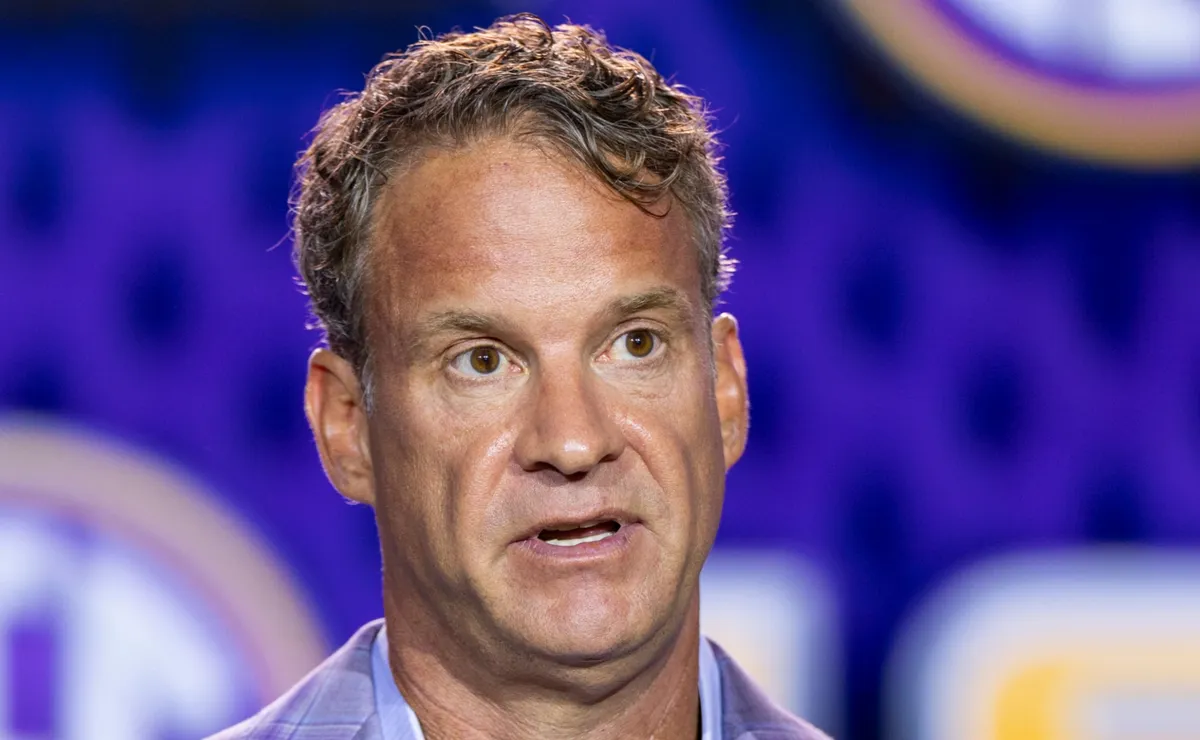
Source: Bolavip. Casualplayhub News adds summary, context, and editorial framing while linking back to the original report.
Lane Kiffin's tenure as LSU's head coach was supposed to begin under the lights of Tiger Stadium on Saturday night, with a marquee matchup against Clemson. Instead, it started under a canopy of dark clouds and bolts of lightning. Severe weather sweeping through Baton Rouge forced officials to delay the season opener, throwing a sudden twist into what was already one of the most talked-about games of the college football calendar.
The cause of the delay was clear: multiple lightning strikes were detected within an eight-mile radius of Tiger Stadium, with thunderstorms advancing directly toward the LSU campus. The safety protocols that govern college football games require a minimum of 30 minutes without lightning after the last strike before play can resume. As of the time of the delay, officials had not announced a new kickoff time, leaving tens of thousands of fans in limbo. The weather had already disrupted the pregame atmosphere. ESPN's College GameDay, which had set up on campus to capture the excitement of Kiffin's debut, was forced to move its broadcast indoors due to the nearby lightning. The show's hosts and analysts continued their coverage from a covered location, but the usual energy of a live crowd was absent.
For LSU fans, the delay is a frustrating anticlimax. They have been eagerly awaiting Kiffin's arrival since he left Ole Miss to take over the Tigers. The former Ole Miss head coach built a reputation as one of the sport's most innovative offensive minds, leading the Rebels to multiple high-scoring seasons. His move to LSU was seen as a major coup for the program, which had been searching for a leader to restore its national prominence. Expectations are sky-high, and this game against Clemson was meant to be the first real test of Kiffin's system.
Clemson, meanwhile, enters the season with its own motivations. The Tigers have struggled to maintain the dominance they showed in the early 2020s, and a disappointing 2025 campaign left them hungry for redemption. A win on the road against a resurgent LSU would send a strong message that Clemson is back in the national conversation. The delay also adds logistical challenges. Players who had been mentally and physically prepared for a 7 p.m. kickoff now face an uncertain wait. Coaches must adjust their pregame routines, and fans packed into the stadium or listening from outside must remain patient. The constant threat of lightning means that even once the immediate storms pass, officials will monitor conditions closely before giving the green light.
LSU's roster has undergone significant turnover, with key transfers and new recruits aiming to make an immediate impact. Kiffin has remade the coaching staff, bringing in his own coordinators and position coaches. The game against Clemson was always going to be a revealing snapshot of where this new-look team stands. Now, that snapshot will come later than planned. The weather delay is a reminder that even the most carefully orchestrated plans in sports can be upended by nature. For Kiffin, it's an early lesson in patience and adaptability. His first game at LSU may not have started on time, but when it finally does, the spotlight will be just as bright.
Adding to the narrative, the delay allows both teams extra time to review game plans and adjust to any last-minute changes. Defensive coordinators might use the extra hours to study tendencies, while offensive minds like Kiffin could tweak opening sequences. The psychological impact on players is also worth noting: a delayed start can disrupt focus or, conversely, build intensity. For Clemson, the wait might sharpen their edge, as they see this as an opportunity to spoil a new era in Baton Rouge. The stadium atmosphere, already charged with anticipation, will only grow more electric once the all-clear is given. One thing is certain: when the ball finally kicks off, the clash between Kiffin's high-octane offense and Clemson's disciplined defense will be worth the wait.
Article commentary
The weather delay for Lane Kiffin's debut at LSU is more than a scheduling hiccup; it's a microcosm of the unpredictability that defines college football. While storms are a common occurrence in the South during early September, the timing could not be more dramatic. Kiffin's arrival in Baton Rouge has been hyped as a turning point for a program that has oscillated between national contention and mediocrity in recent years. The delay, though frustrating, offers a rare moment of reflection for both teams and fans. From a strategic standpoint, the extra time could benefit LSU more than Clemson. Kiffin's offense is known for its complexity and tempo, but a disrupted pregame routine might force his players to recalibrate mentally. Clemson, led by a veteran defensive staff, likely has a more established system that can adapt to delays without losing rhythm. However, the psychological edge might tilt toward the home team, as LSU fans will be even more raucous once the game begins, channeling their pent-up energy into support. This delay also highlights the growing importance of weather preparedness in modern sports. With lightning detection technology becoming more precise, officials are increasingly cautious about player safety. The decision to postpone was not controversial; it was a necessary step to protect everyone in and around the stadium. Yet the lack of a clear resumption timeline adds anxiety for broadcasters, sponsors, and fans who traveled long distances. The financial implications are not trivial, but safety always comes first. Looking at the broader picture, Kiffin's debut was always going to be a referendum on his ability to elevate LSU. The weather delay is nothing more than a footnote; the real story will unfold on the field. Clemson's response to a disappointing 2025 season will be scrutinized, and a loss here would deepen questions about their trajectory. For Kiffin, a win would validate the hype, while a loss could be blamed on the interruption—a convenient but hollow excuse. Ultimately, the delay serves as a reminder that sport is never fully under our control. The best-laid plans of coaches, athletic directors, and broadcasters can be derailed by a thunderstorm. What matters is how the participants respond. Kiffin's ability to keep his team focused during the wait will be his first test as LSU's head coach. If he passes, the delay will be forgotten. If not, it will be a footnote in a season that could define his legacy.