LSU vs Clemson Kickoff Rescheduled After Weather Delay
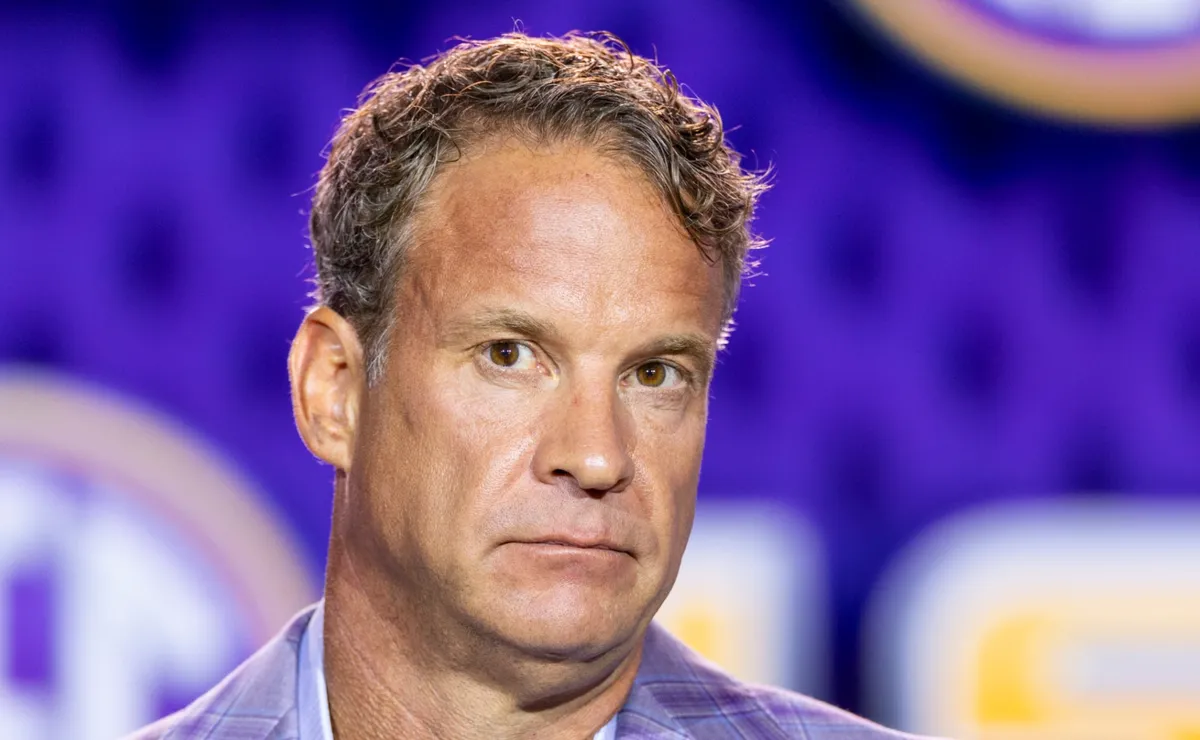
Source: Bolavip. Casualplayhub News adds summary, context, and editorial framing while linking back to the original report.
Lane Kiffin’s first game as LSU head coach will finally get underway after a prolonged weather delay pushed the kickoff back more than two hours. The Tigers were slated to face Clemson at Death Valley on Saturday night, with the original start time set for 7:30 p.m. ET. But dangerous lightning and thunderstorms sweeping through Baton Rouge forced officials to postpone the opening kickoff, leaving thousands of fans and players in a tense wait.
As the storm rolled in, the area around Tiger Stadium became a safety concern. Lightning continued to flash, and the required 90-minute weather clock was activated once the last bolt was detected. That clock is now running, and with conditions improving, the game can proceed. The new kickoff time has been set for 9:40 p.m. ET, giving both teams extra time to finalize their warm-ups and mental preparations.
For Kiffin, the delay adds an unexpected twist to what was already a high-stakes debut. The former Ole Miss head coach took over one of college football’s most storied programs after a tumultuous offseason. Expectations in Baton Rouge are sky-high, and the spotlight was supposed to be on him from the opening whistle. Mother Nature, however, had other ideas. The delay not only tested the patience of fans but also forced Kiffin and his staff to adjust their pregame routine, keeping players focused through the uncertainty.
The weather delay also created logistical challenges. Players were held in locker rooms, officials monitored radar, and the stadium announcer kept the crowd updated. The safety of everyone on site remained the top priority. Once the 90-minute window began, the path to kickoff became clearer. Unless another storm cell develops, the game will start at 9:40 p.m. ET, and the Tigers will take the field under the lights of Death Valley, albeit later than planned.
For Clemson, the delay offers a similar disruption. The Tigers traveled to Baton Rouge expecting a normal game night, but now they must contend with a late start and altered rhythm. Both coaching staffs are experienced in handling such situations, but the mental toll of waiting can affect performance. Players must stay loose, hydrated, and mentally sharp while the clock ticks down.
The rescheduled kickoff time has been confirmed by both teams and the SEC officiating crew. The game will be broadcast on the same network, though viewers may need to adjust their plans. The delay also means the game will run into the late night, potentially affecting the viewing experience for fans across the country.
Kiffin’s arrival at LSU was already one of the most talked-about stories of the season. His offensive acumen and fiery personality have energized the program. A delayed start does nothing to diminish the drama. If anything, it builds anticipation. The wait is almost over, and the football world will finally see what Kiffin’s LSU looks like when the ball is kicked off at 9:40 p.m. ET.
Article commentary
Weather delays are an inevitable part of outdoor sports, especially in early-season college football when thunderstorms are common across the Southeast. Saturday’s delay of the LSU-Clemson game, pushing the kickoff from 7:30 p.m. to 9:40 p.m. ET, is a reminder of how nature can reshape even the most anticipated events. The decision to postpone was correct. Lightning poses a real danger to players, staff, and fans in an open stadium. The 90-minute rule is standard and ensures that no strike occurs within a safe radius before play resumes. From a competitive standpoint, the delay introduces variables that can influence performance. Players must maintain focus during an extended pregame period. Coaches must adjust their timetables for warm-ups, hydration, and mental preparation. For Lane Kiffin, making his debut under these circumstances adds another layer of pressure. He has built a reputation for high-energy, fast-paced offenses, but a late start could disrupt the rhythm of his team. Clemson, on the other hand, is a veteran program accustomed to big games and road environments. The delay may favor them slightly, as they have experience handling disruptions. The broader context of Kiffin’s move to LSU is significant. He left Ole Miss after a successful stint, taking over a program that has been searching for consistency since the departure of Ed Orgeron. The expectations are immense, and every detail of his debut will be scrutinized. The weather delay is an external factor, but how he and his team respond to it will be part of the narrative. Fans and analysts will watch for signs of composure, discipline, and adaptability. This game also carries implications for the College Football Playoff landscape. Both LSU and Clemson are traditional powers looking to reassert themselves. A win on the road for either team would be a major statement. The delay adds a layer of unpredictability, but it also provides an opportunity for both teams to show resilience. The late kickoff means the game will end after midnight on the East Coast, potentially reducing the national audience but not the intensity. From a logistical perspective, the SEC and the schools handled the situation well. Clear communication with fans, media, and teams is essential during delays. The decision to announce a new kickoff time as soon as conditions allowed gave everyone a target to aim for. The safety protocols worked as intended, and the game will proceed without unnecessary risk. Looking ahead, this delay could be a footnote in a memorable season, or it could be a turning point if the game becomes a classic. Either way, it highlights the unpredictability of live sports. The wait is over, and the football will finally be played. The story now shifts back to the field, where Kiffin and his Tigers will try to deliver on the hype.