Oklahoma City Thunder: Now or Never for Another Title
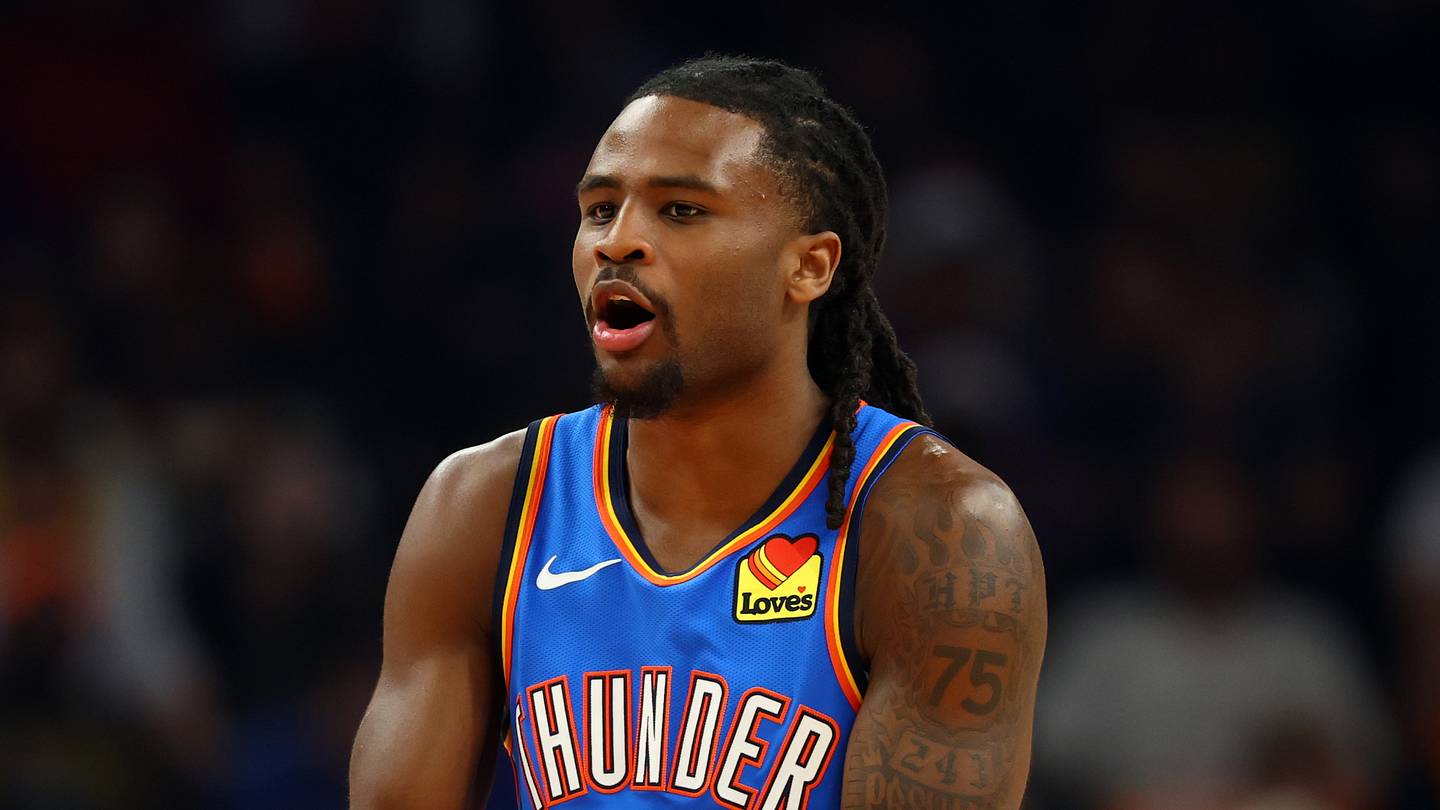
Source: SI NBA. Casualplayhub News adds summary, context, and editorial framing while linking back to the original report.
The Oklahoma City Thunder are no strangers to championship expectations. For the past few seasons, they have entered the year as one of the league’s title favorites, and this season is no different. After advancing to the Western Conference Finals last year, the Thunder are hungry to take home their second championship in three seasons. But this time, the window feels narrower. A combination of salary cap pressures and looming contract extensions has created a sense of urgency that cannot be ignored.
The roster looks different than it did just a few months ago. This offseason, the Thunder lost three essential contributors: Aaron Wiggins, Isaiah Joe, and Lu Dort. Each departure was driven by financial constraints, a stark reminder that even the best-run organizations cannot keep everyone. The team still boasts a strong core, but the cracks are beginning to show. One roster spot remains open, and filling it will add further salary.
More pressing are the contract situations of several young players. Cason Wallace will enter restricted free agency after this season, and his next deal will be substantial. Ajay Mitchell holds a team option for next season, followed by unrestricted free agency the year after. Both Jaylin Williams and Jared McCain will require extensions in the near future. These decisions will force the front office to make painful choices. History has proven that keeping a championship squad together is nearly impossible. The Thunder have seen it before with their previous generation of stars, and they are now facing the same dilemma.
The core of Shai Gilgeous-Alexander, Jalen Williams, and Chet Holmgren is secure for the foreseeable future. That trio alone gives Oklahoma City a legitimate shot at contention for years to come. But championships are not won by stars alone. Elite role players—the kind who knock down open threes, defend multiple positions, and make winning plays in the clutch—are the difference between a deep playoff run and an early exit. Those players are becoming harder and harder to retain as their market value rises.
This season, the Thunder have the best possible alignment of talent, chemistry, and financial flexibility. The supporting cast is still intact enough to compete at the highest level. But that advantage will erode quickly. If Oklahoma City does not win the title this year, the front office will face the daunting task of finding affordable replacements. Developing players only to watch them walk away is a painful cycle, and one the Thunder know all too well.
The message from inside the organization is clear: now is the time. The window is open, but it will not stay open forever. Every season from here on will bring tougher decisions and tighter margins. For a franchise that has built patiently and intelligently, the payoff must come soon. The Oklahoma City Thunder have a real opportunity to add another banner to the rafters. They just have to seize it before the financial clock runs out.
Article commentary
The Oklahoma City Thunder find themselves in a familiar but uncomfortable position: they are good enough to win a championship, but the financial mechanics of the NBA make it nearly impossible to sustain that level of success. This “now or never” narrative is not new in professional sports, but it carries particular weight in a league where the salary cap and luxury tax penalties punish depth and continuity. What makes the Thunder’s situation unique is how organically their roster was built. Through shrewd drafting and player development, Oklahoma City assembled a young, deep, and versatile team that exceeded expectations. But the very success that made them contenders now creates the pressure to break it apart. The departures of Wiggins, Joe, and Dort are early warning signs. These were not marginal players; they were integral to the team’s identity on both ends of the floor. The looming contract extensions for Wallace, Mitchell, Williams, and McCain highlight a deeper structural challenge. In the modern NBA, teams must choose between paying their stars and keeping their role players. The Thunder’s core trio—Gilgeous-Alexander, Williams, and Holmgren—are all under long-term contracts, but the salary cap does not allow for a deep bench of high-priced contributors. Every dollar spent on a backup guard is a dollar that cannot go toward a star. This zero-sum math forces front offices to make uncomfortable decisions. History shows that even the best teams eventually break up. The Golden State Warriors managed to keep their core together for years, but that was an anomaly driven by a historic spike in the salary cap and player-friendly contracts. The Thunder do not have that luxury. Their window is defined by rookie-scale deals and team options that will soon expire. Once those players hit free agency, the cost of retention skyrockets. Objectively, this season offers the Thunder their best chance. The supporting cast is still elite, the stars are in their prime, and the Western Conference is competitive but not overwhelming. Next season, the roster will almost certainly look different. The front office will have to prioritize, and some beloved players will depart. That is not pessimism; it is the reality of the NBA’s economic structure. For fans, this creates a bittersweet sense of urgency. The joy of watching a young team grow is tempered by the knowledge that it cannot last. But that urgency is also what makes sports compelling. The Thunder have earned the right to be championship contenders. Now they must prove they can close the deal. If they do, the legacy will be cemented. If they do not, the questions about what might have been will linger for years.