Harden’s Playmaking Intuition Elevates Cavs’ Floor Game
Source: SI NBA. Casualplayhub News adds summary, context, and editorial framing while linking back to the original report.
Ad eligibility review: sensitive-topic
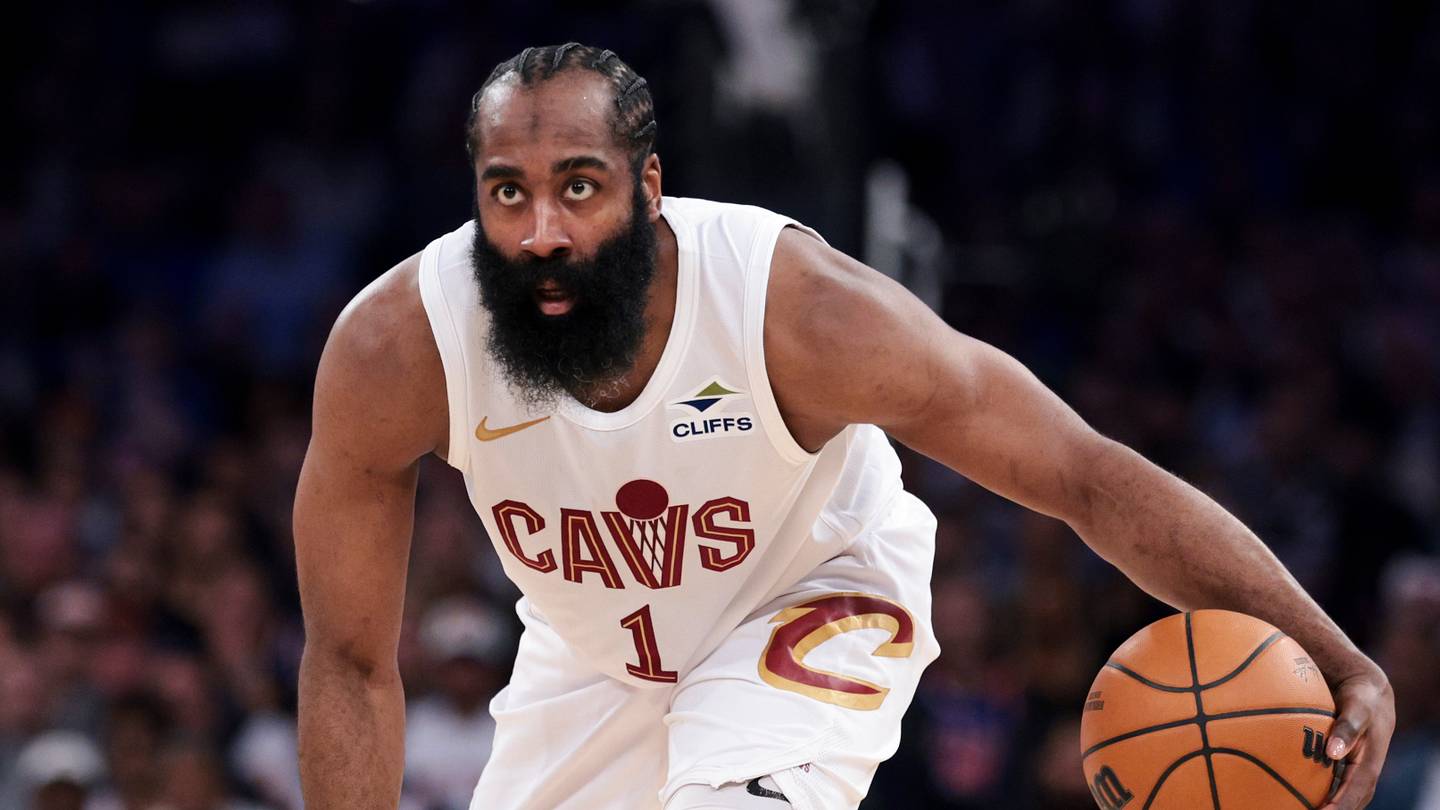
When the Cleveland Cavaliers made re-signing James Harden a top priority last offseason, some questioned the logic. The playoffs had exposed turnover issues and erratic shooting from the veteran guard. Yet the front office saw beyond those blemishes. Harden is one of the most gifted floor generals the NBA has seen in the last decade—a player whose Houston-era highlights still leave fans in awe. What he brings to this Cleveland team, no other guard on the roster can replicate: the ability to weave every teammate into the action, not just as decoys but as active participants.
The emphasis is rarely on Harden’s scoring, though that remains intact. Instead, it is his facilitating that sets him apart. He keeps teammates engaged, reading defenses and delivering passes that make others better. The core of his game is a superskill: delivering the right pass at the perfect moment. When a play must be made, the ball goes to No. 1, and the rest unfolds naturally. Averaging double-digit assists for an entire season is a rare NBA achievement, and Harden has done it before. But what stood out in his team debut against the Sacramento Kings was not his fourth-quarter scoring flurry—it was his timing. For three quarters, he resisted the urge to shoot, focusing instead on playmaking and locating his teammates in their spots. For a player joining a new system, that level of restraint and basketball IQ was remarkable.
The game also featured an unexpected moment: rapper Travis Scott interrupted Harden’s postgame press conference to praise his longtime friend. Their friendship dates back to Harden’s Houston days, adding a layer of chemistry to the moment. But more importantly, it underscored the immediate impression Harden made: he possessed the intuition the Cavs had been missing from their guards. He knew instinctively what needed to be done.
Harden’s craft extends beyond passing. His isolation game remains elite, generating either scores or open looks for others. His ability to throw lobs is already among the most impressive in franchise history—reminiscent of how Matthew Dellavedova connected with Tristan Thompson and LeBron James. In Cleveland, Harden has been feeding Evan Mobley and Jarrett Allen with precision lobs, letting the big men feast. Then there is his clutch shot-making: a step-back three against Detroit in last year’s playoffs, drilled in an isolation situation, confirmed that he still possesses that unteachable “it.”
Last postseason, a fractured thumb made his performance ugly at times. Yet he still produced plenty of offensive highlights and well-timed dimes. That is why the Cavs made re-signing him such a priority at age 37. They understand he elevates the team’s ceiling. The evidence is clear: Cleveland went 19-7 in the 26 regular-season games Harden played last year. Extrapolate that over a larger sample, and factor in the addition of Peyton Watson, and the Cavs have a very dangerous basketball team.
Harden will continue slinging dimes, knocking down his patented step-back threes (and-ones included), and being exactly what the Cavs need him to be. His floor generalship, built on decades of instinct and refined craft, remains the catalyst for Cleveland’s championship hopes.
Article commentary
James Harden’s role with the Cleveland Cavaliers is a fascinating case study in how NBA teams value specific skill sets over raw statistics. On paper, his playoff numbers last season—elevated turnovers, below-average shooting percentages—suggest a declining asset. Yet the Cavs not only brought him back but made it a priority. This decision reveals a deeper truth about modern basketball: floor generalship is not measured solely by box scores. Harden’s ability to read defenses and deliver split-second passes is nearly unmatched. His debut against Sacramento was a masterclass in restraint—he spent three quarters setting up teammates before shifting into scoring mode. That kind of situational awareness is rare, especially for a player with his scoring pedigree. It indicates a willingness to adapt, which is critical for a team with multiple young stars like Evan Mobley and Jarrett Allen. The lob chemistry he has built with them echoes the Cavs’ earlier era with LeBron James, and it adds a vertical threat that opposing defenses must respect. However, concerns remain. Harden is 37, and his playoff history is dotted with moments of fatigue and inconsistency. The fractured thumb last postseason was unfortunate, but it also exposed a fragility that could resurface in high-leverage games. The Cavs’ 19-7 record with him in the regular season is impressive, but the sample size is small. Over 82 games, will his body hold up? And in the playoffs, when defenses tighten, can he still create separation? The addition of Peyton Watson adds an intriguing dimension. Watson’s defensive energy and athleticism could relieve some pressure on Harden, allowing him to focus on playmaking. But the Cavs are essentially betting that Harden’s intuition—the ability to make the right pass at the right time—will outweigh any physical decline. That bet is not without historical precedent. Players like Steve Nash and Jason Kidd remained effective late into their careers by relying on craft and court vision rather than athleticism. Harden’s passing highlights are genuinely spectacular, and his isolation game still commands defensive attention. But the Cavs’ championship ceiling depends on his health and willingness to defer. If he continues to balance scoring and facilitating with the nuance he showed in his debut, Cleveland could be a legitimate threat in the Eastern Conference. If not, the turnovers and missed shots will haunt them again. Ultimately, Harden’s value is tied to a single skill: knowing exactly when to pass and when to shoot. That instinct cannot be taught, and it is what made the Cavs prioritize him over younger, more athletic guards. It is a gamble—but one that could pay off in the biggest moments.