Mo Bamba Gains Roster Security After Jazz's Williams Trade
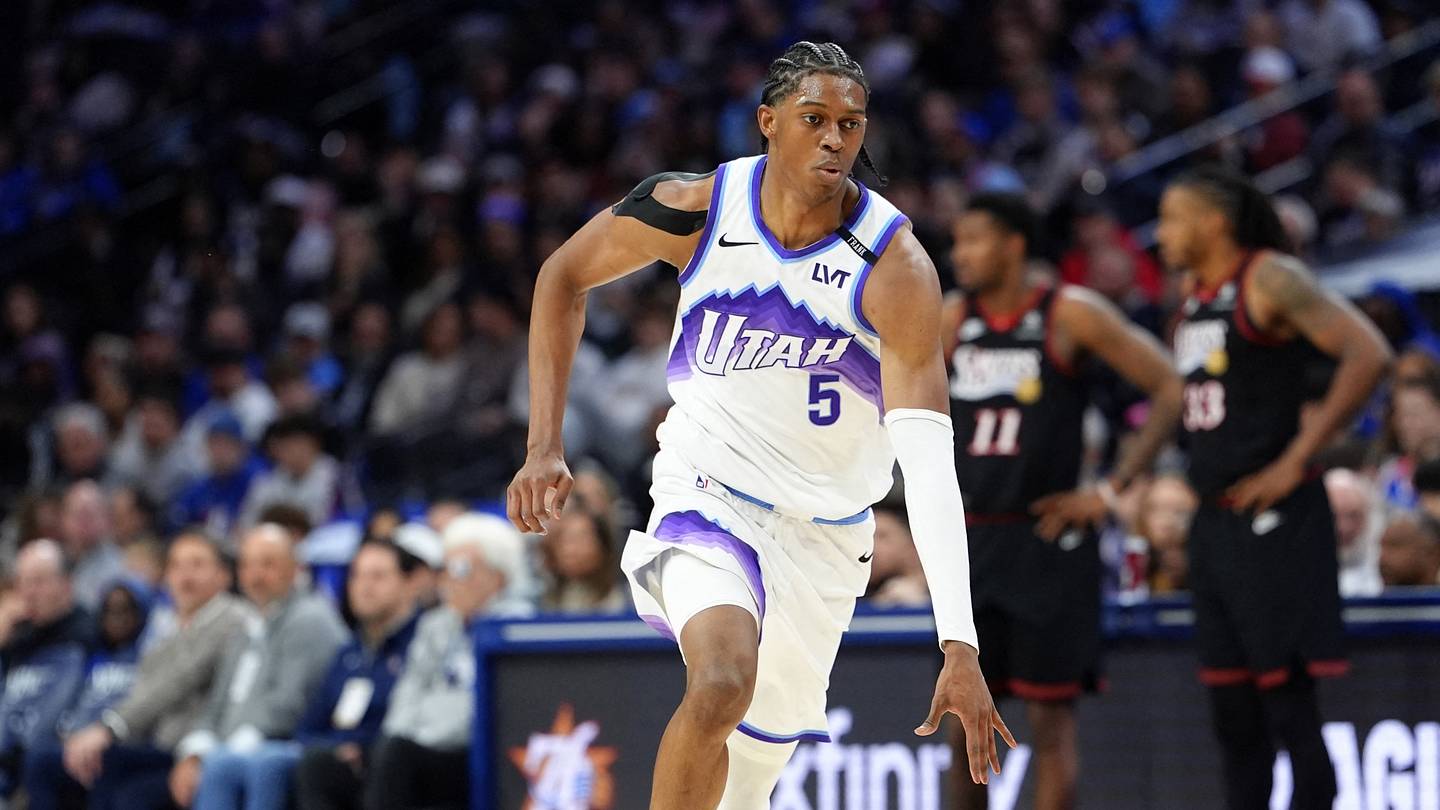
Source: SI NBA. Casualplayhub News adds summary, context, and editorial framing while linking back to the original report.
The Utah Jazz reshaped their roster late in the offseason by trading away 2024 lottery pick Cody Williams and guard John Konchar to the Minnesota Timberwolves in exchange for veteran wing Josh Green. The deal, which reduces Utah's roster from 15 to 14 players, brings in an expiring contract that runs through 2026-27 and provides the Jazz with greater flexibility heading into the regular season. While the decision to part with a recent lottery pick signals a shift in the team's development timeline, the transaction also created an unexpected ripple effect for one of the team's fringe players: center Mo Bamba.
Bamba signed a two-year contract with the Jazz earlier this summer, but the deal was not fully guaranteed. According to the terms, Utah could cut him before opening night and incur only a $200,000 dead cap hit from the signing bonus. This arrangement made Bamba a prime candidate to be waived if the front office wanted to add another player to the roster. With the team carrying 15 players on full contracts, Bamba's position was precarious.
However, the trade of Williams and Konchar for a single player in Green instantly opened a roster spot. That shift has dramatically improved Bamba's chances of making the team. He now slots in as the 14th player on the roster, just below the NBA's 14-man regular-season limit. Even if the Jazz decide to sign another player before the season begins, Bamba's spot is no longer the obvious target for elimination. The front office has shown no public indication that they intend to cut him, but the trade has effectively removed the immediate threat to his roster spot.
For Bamba, the financial implications are significant. If he is on the roster for the season opener against the Memphis Grizzlies, he will receive a $500,000 bonus. If he remains on the team through January 10, 2026, he will earn the full $3.5 million salary for this season. The trade thus provides not only professional security but also a financial incentive for Bamba to prove his worth in training camp and the early part of the schedule.
Bamba, a 7-foot center drafted sixth overall by the Orlando Magic in 2018, has bounced around the league in recent years. He spent time with the Los Angeles Lakers, Philadelphia 76ers, and now the Jazz, looking to reestablish himself as a reliable rim protector and stretch big. In Utah, he joins a frontcourt that includes Walker Kessler and John Collins, but the team's decision to trade Williams suggests they are prioritizing veteran experience and cap flexibility over pure youth development.
The Jazz have not yet announced any additional moves, but the trade frees up the ability to explore the market for a buyout candidate or a waiver pickup without jeopardizing Bamba's place. For now, the big man appears to have a clear path to the opening night roster, a stark contrast to the uncertainty he faced just days ago.
As the season approaches, Bamba's performance in preseason will be closely watched. The Jazz have invested limited financial risk in him, but his size and shot-blocking ability could provide valuable depth behind Kessler. If he can stay healthy and contribute consistently, Utah may have found a low-cost veteran addition who benefits from a trade that was not originally designed with him in mind.
Article commentary
The Utah Jazz's decision to trade Cody Williams and John Konchar for Josh Green is a move that speaks volumes about the team's current philosophy. By parting with a lottery pick from just two years ago, the front office signals a pivot away from accumulating young assets toward building a more balanced, competitive roster. Green, a 26-year-old wing with playoff experience in Dallas, brings defensive versatility and three-point shooting—qualities that fit neatly into head coach Will Hardy's system. The expiring contract also gives Utah salary cap flexibility heading into future offseasons. But the most intriguing subplot is how this trade inadvertently reshapes the fortunes of Mo Bamba. Bamba entered training camp as a roster bubble player, a classic low-risk, high-upside signing who could be cut without much cost. The Jazz's roster crunch meant that any addition would likely force his departure. Instead, the two-for-one trade eliminated that dilemma, transforming Bamba from a potential cut candidate into a near-lock for the final roster spot. This development is a reminder of how roster construction decisions ripple through a team's depth chart. The Jazz could have kept Williams and Konchar and simply waived Bamba, but they chose a different path—one that nets them a proven NBA wing while also preserving a developmental big man. Whether Bamba can capitalize on this opportunity remains to be seen. His career has been marked by flashes of potential—elite shot-blocking, the ability to stretch the floor—but inconsistency and injuries have prevented him from securing a steady role. Now 28, he is at a stage where he needs to prove he can be a reliable rotation piece. From a broader perspective, the trade underscores the Jazz's commitment to flexibility. By moving Williams, they avoid the pressure of deciding whether to pick up his fourth-year option and instead gain a player who can contribute immediately. The roster spot freed up also allows them to monitor the waiver wire or explore buyout candidates without the burden of a non-guaranteed contract hanging over Bamba's head. Critics might argue that the Jazz gave up on a lottery pick too quickly—Williams showed promise as a versatile forward, and his development could have been nurtured. However, the team's timeline appears to be accelerating. With Lauri Markkanen, Keyonte George, and Walker Kessler as core pieces, the Jazz are aiming to be competitive sooner rather than later. Adding a wing like Green, who can defend multiple positions and space the floor, makes more sense than waiting for a raw prospect to mature. For Bamba, the trade is a lifeline. He now has a legitimate chance to re-establish himself as a valuable NBA big man. The Jazz's front office, meanwhile, has demonstrated a willingness to make tough decisions without sentimentality. The net effect is a roster that is slightly more veteran, slightly more flexible, and—for one player—significantly more secure.