D’Antoni on Rockets’ Revival and Coaching Future
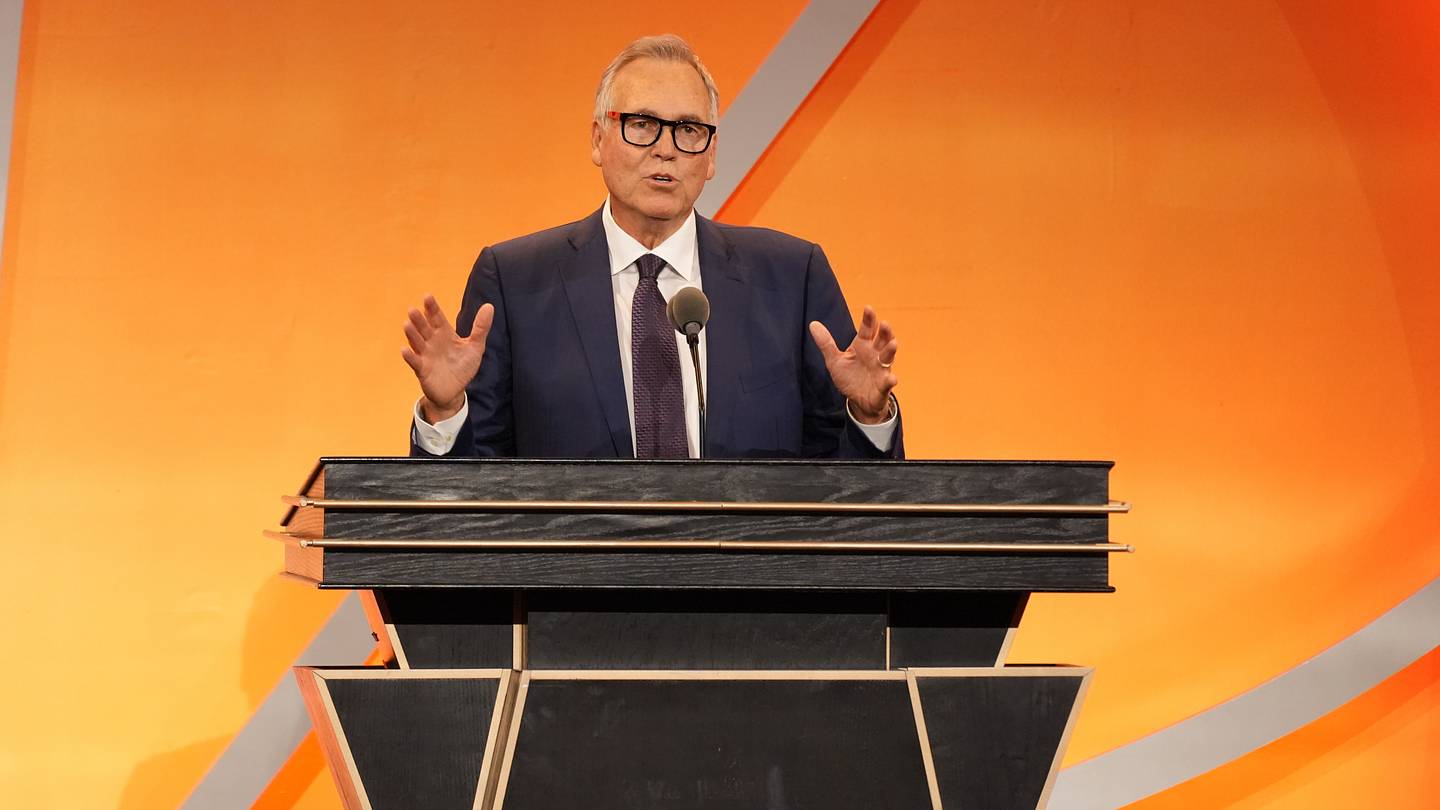
Source: SI NBA. Casualplayhub News adds summary, context, and editorial framing while linking back to the original report.
Mike D’Antoni, the architect of some of the NBA’s most electrifying offenses, left the Houston Rockets in 2020 after four seasons that included a Coach of the Year award and a league-best 65-17 record. The franchise then slid into a multiyear rebuild, sinking to the bottom of the Western Conference. But the tide has turned. With Kevin Durant, Alperen Sengun, and Amen Thompson leading the way, Houston is again a playoff threat.
In an exclusive interview with Houston Rockets On SI, D’Antoni offered his take on the current squad and whether he’d ever return to an NBA sideline. The conversation has been edited for length and clarity.
When asked if the Rockets’ lineup would fit his iconic system, D’Antoni flipped the question. “It’s up to me to change my scheme to fit them,” he said. “It doesn’t really matter if they fit me or not.” He explained that every coach must assess their personnel and build around strengths. He drew on his own evolution: from the fast-paced, ball-sharing Phoenix Suns to the more isolation-heavy, slower tempo of James Harden’s Rockets. “You adapt to the talents of your players,” he said. “Houston would be a great team to coach right now. Ime Udoka does a great job. He’s got defensive elements, shooting, so many weapons.”
On the question of who should be the primary option among Durant, Sengun, and Thompson, D’Antoni resisted singling out a player. “I’d have to be there every day. You probably can’t make a bad choice,” he said. In his view, the offense should flow naturally. “It’s not like the coach picks who is the first option. You set up a system where ball movement and the defense lead to the option. The ball flies around, finds a weak spot, and that player takes advantage. Everybody’s the number one option.” He warned that forcing the ball to a specific player makes it easier for the defense to load up.
As for a potential return to coaching, D’Antoni was measured. “I don’t know. You hate to say ‘No, never’ and then you do it, or ‘Yeah, for sure.’ I don’t realistically think that’s going to happen, so I don’t worry about it. I go play golf.” Yet he admitted the fire remains. “Does coaching still excite me? Sure it does. I think I’ll take that to the grave. It’s a very demanding and very rewarding career.” He described his own path as perfect for him, though he stopped short of recommending or discouraging the profession.
The interview reveals a coach who still studies the game intently, even from the fairway. His insights into roster construction and offensive freedom offer a window into why players have thrived under him—and why the Rockets’ new core, with its blend of scoring, passing, and defense, would intrigue any coach. D’Antoni’s legacy is secure, but his willingness to adapt suggests he could still contribute, if the right opportunity ever materialized.
Article commentary
Mike D’Antoni’s interview arrives at a fitting moment. The Houston Rockets, after years of struggle, are again relevant, and their resurgence reminds the league of the offensive revolution D’Antoni helped spark. His tenure in Houston was defined by extremes: a record-setting regular season, a controversial departure, and then a slow, painful fall. Now, with Kevin Durant in the fold alongside young talents Sengun and Thompson, the team’s identity is shifting once more. D’Antoni’s philosophy, as articulated here, is remarkably consistent. He doesn’t believe in forcing a system onto players. Instead, he shapes the system around their strengths—a lesson many coaches fail to heed. His ability to pivot from the Seven Seconds or Less Suns to the Harden-centric Rockets demonstrates tactical flexibility that goes beyond mere stubbornness. This adaptability is what made him successful, and it’s also why he might still be an asset in today’s NBA. The current Rockets, under Ime Udoka, have embraced a balanced attack. Durant brings elite scoring, Sengun offers a unique blend of post play and passing, and Thompson provides athleticism and defense. D’Antoni’s suggestion that no single player should be forced as the primary option aligns with how modern offenses operate. Motion, spacing, and decision-making matter more than pecking order. It’s a subtle but important distinction: great teams have multiple threats, and defenses can’t key on one player. On the question of a return, D’Antoni’s caution is understandable. He is 73, and the grind of an 82-game season is grueling. Yet his admission that coaching still excites him suggests he hasn’t closed the door entirely. If a contending team with a clear offensive need came calling—perhaps a squad like Phoenix or Sacramento, where he has history—he might reconsider. But the realistic odds are low. The league has moved toward younger, more defensive-minded coaches, and D’Antoni’s style, while influential, is now part of the DNA of the game rather than a novelty. What stands out most is his humility. He credits Udoka, deflects praise, and focuses on the players. That self-awareness is rare in high-profile coaches. D’Antoni’s legacy is secure as a Hall of Famer, but his commentary here offers a masterclass in how to evaluate a team: not through rigid schemes, but through the lens of what talents you have and how to maximize them. For the Rockets, that mindset could be the key to sustaining their rise. For D’Antoni, it’s a reminder that sometimes the best coaching happens not on the bench, but in the quiet reflection of a golf course.