Kevin Nash Unpacks the Stories Behind 'Big Daddy Cool' and 'Big Sexy'
Source: Wrestling Inc.. Casualplayhub News adds summary, context, and editorial framing while linking back to the original report.
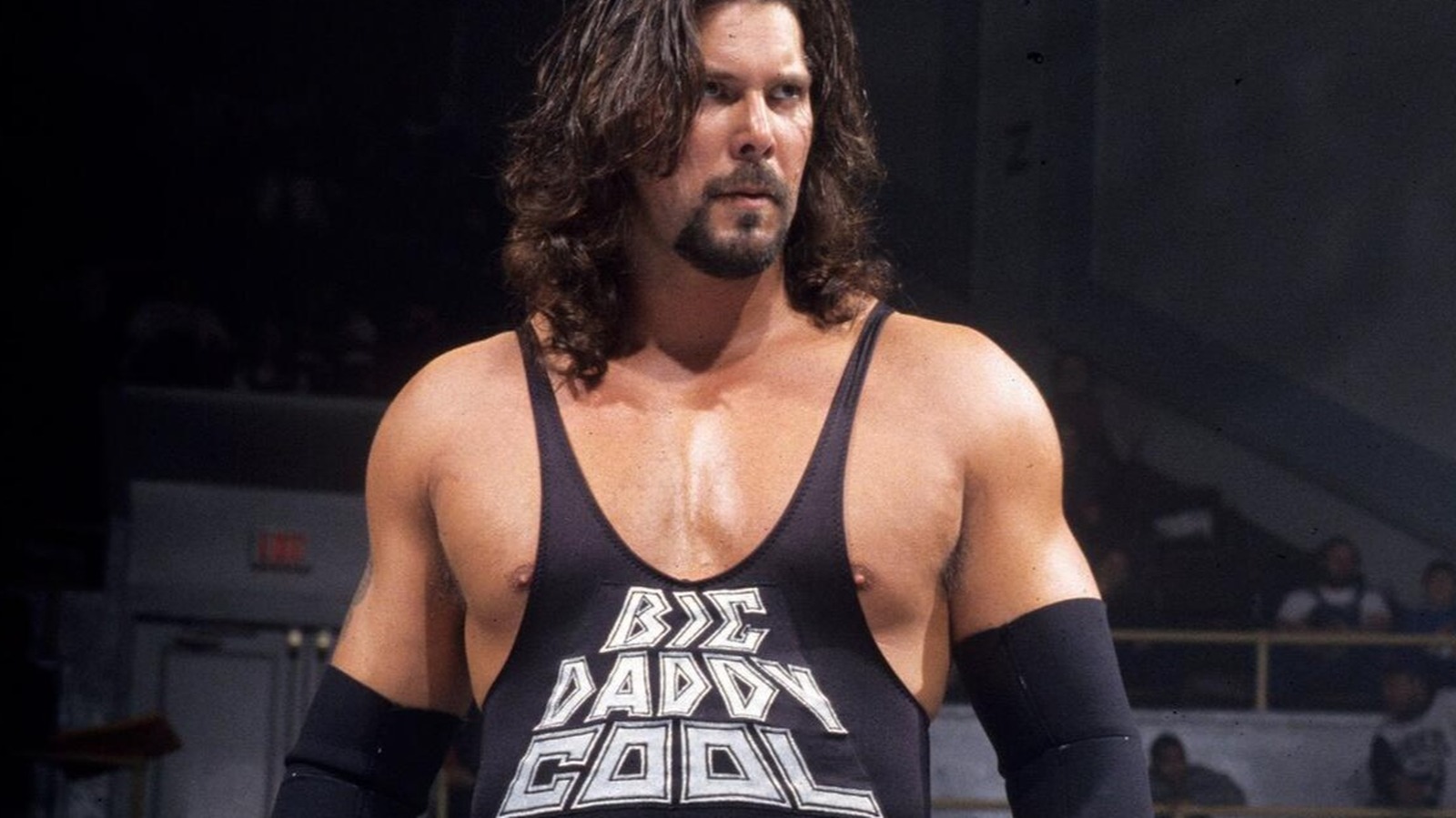
For Kevin Nash, being a big deal was never just about his towering frame or his championship gold. The two-time WWE Hall of Famer built an enduring legacy on larger-than-life personas, anchored by two nicknames that became synonymous with his in-ring identity: 'Big Daddy Cool' and 'Big Sexy.' But those monikers didn't emerge from some grand promotional strategy. They were born, as Nash recently explained, from a mix of friendship, self-deprecation, and a shrewd eye for merchandising.
Appearing on his own show, 'Kliq This: The Kevin Nash Podcast,' the former World Heavyweight Champion responded to a fan who asked whether 'Big Daddy Cool' was a nod to the legendary rapper Big Daddy Kane. Nash set the record straight. 'No,' he said plainly. ''Big Daddy Cool' was what Curt Hennig called me. I got that nickname from Curt.' The revelation underscores the deep bond between Nash and the late Curt Hennig, a fellow wrestling icon known for his technical prowess and charisma.
The second nickname, 'Big Sexy,' came entirely from Nash himself. And its origin was far less sentimental. 'I came up with that,' Nash recalled. 'I said, "F***, I'm just going to call myself 'Sexy' and sell some merch."' That blunt, no-nonsense approach to branding fits Nash's reputation as a wrestler who understood the business side of sports entertainment. The nickname caught on quickly, helping Nash transition from a tag-team specialist in WWE to a main-event star in WCW and a cornerstone of the nWo.
Today, those nicknames continue to echo through wrestling culture. One current WWE Superstar, Raquel Rodriguez, has adopted her own variant: 'Big Mami Cool.' Rodriguez, the WWE Women's Intercontinental Champion and a member of Judgment Day, has turned the phrase into a rallying cry for her powerhouse style. Nash has publicly applauded Rodriguez's interpretation, calling her a 'major player' in the sport. He noted that her work ethic and presence mirror the same qualities that made his own career successful.
Nash's podcast has become a platform for candid reflections on wrestling history, with this latest segment offering a rare look at how foundational nicknames sometimes emerge from simple, offhand moments. 'It's funny how things stick,' Nash mused, though he didn't say that exact line. The nicknames have outlasted his active career, now woven into the fabric of professional wrestling lore.
Whether it was Hennig's playful observation or Nash's own marketing instinct, 'Big Daddy Cool' and 'Big Sexy' remain proof that the best wrestling personas often come from real personality, not scripted gimmicks. And as Raquel Rodriguez carries the torch with 'Big Mami Cool,' Nash's legacy continues to grow, one nickname at a time.
If you use any of the quotes in this article, please credit 'Kliq This: The Kevin Nash Podcast' with a h/t to Wrestling Inc. for the transcription.
Article commentary
Kevin Nash's explanation of how his nicknames originated reveals a fundamental truth about professional wrestling: the most enduring personas are often the most authentic. In an industry where characters are frequently crafted by committees and focus groups, Nash's 'Big Daddy Cool' and 'Big Sexy' came from organic human interaction—a friend's observation and a wrestler's self-deprecating humor. The fact that 'Big Daddy Cool' was bestowed by Curt Hennig adds a layer of poignancy. Hennig, himself a Hall of Famer, understood the value of a good nickname. His tribute to Nash wasn't calculated; it was a natural expression of respect between peers. This contrasts sharply with the modern WWE approach, where every catchphrase is market-tested and trademarked. The spontaneity of that moment has given the nickname a longevity that no corporate branding could replicate. Nash's admission that he coined 'Big Sexy' purely to sell merchandise is equally telling. It highlights the business savvy that often separates wrestlers who become stars from those who remain mid-carders. By taking control of his own persona and monetizing it, Nash demonstrated an entrepreneurial spirit that would later define the nWo's revolutionary approach to merchandising. The nWo's black-and-white logo and Nash's 'Big Sexy' T-shirts were among the best-selling items of the 1990s, cementing the link between catchy nicknames and revenue. What's particularly interesting is how this legacy has been passed down. Raquel Rodriguez's adoption of 'Big Mami Cool' is not just a tribute; it's a strategic branding move that acknowledges the lineage of powerful, charismatic wrestlers. By aligning herself with Nash's legacy, Rodriguez taps into a sense of history and authenticity that resonates with older fans while creating her own identity. Nash's public endorsement of her use of the nickname also shows a generous spirit, recognizing that wrestling characters evolve across generations. Critics might argue that this kind of nickname recycling is nothing more than nostalgia bait. But in a business that thrives on interconnected storylines and shared mythology, such callbacks strengthen the fabric of the wrestling universe. When a current star uses a legend's moniker, it bridges eras and gives younger fans a reason to explore the history of the sport. Nash's podcast segment also serves as a reminder that behind every larger-than-life character is a real person making decisions—some brilliant, some simply practical. The story of 'Big Sexy' being born from a desire to sell shirts is a perfect example of how wrestling's commercial side and its creative side often collide. That collision produces some of the most memorable moments in the industry. Ultimately, the origin of these nicknames may seem trivial, but they encapsulate what makes professional wrestling compelling: the blend of athleticism, personality, and showmanship. Nash's candid recounting is a masterclass in understanding the art of the gimmick—and a testament to the power of a good nickname that outlives the wrestler who carried it.