Millvale Police Reveal Details in Death of Former AEW Star 'The Butcher'
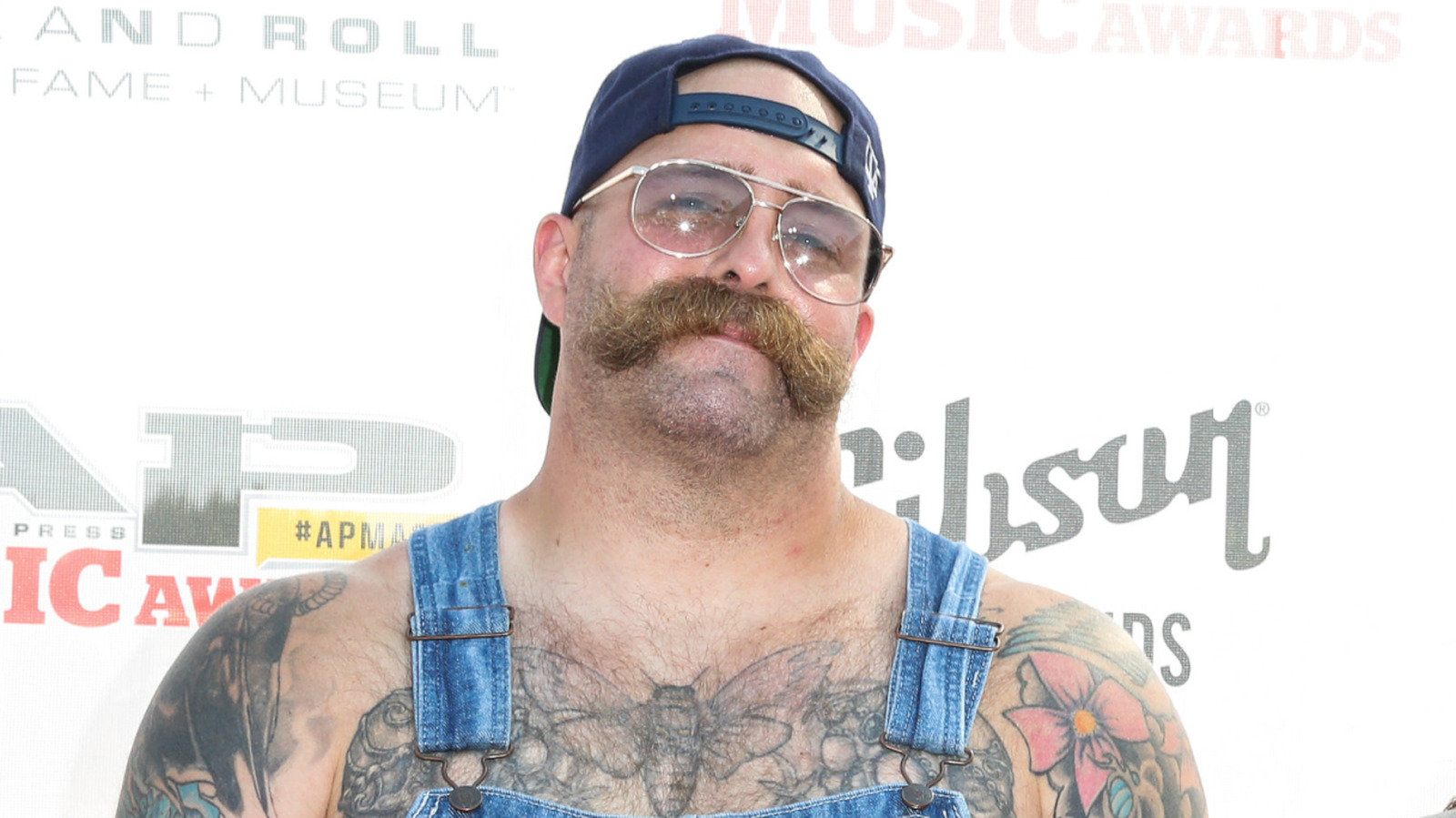
Source: Wrestling Inc.. Casualplayhub News adds summary, context, and editorial framing while linking back to the original report.
The Millvale Police Department, one of the agencies serving the suburbs north of Pittsburgh, Pennsylvania, has issued a detailed account of the emergency response that followed the collapse of former All Elite Wrestling star Andy Williams — known to fans as 'The Butcher' — during a live event over the weekend. Williams, 48, died at a Pittsburgh hospital on Saturday evening, sending shockwaves through the professional wrestling and music worlds.
In a statement obtained by POST Wrestling, Millvale Police Chief Tim Komoroski outlined the timeline of events. Officers were dispatched to Mr. Smalls Theatre at approximately 8:45 p.m. after receiving a call about a performer who had struck his head on a ring post. When officers arrived, they found Williams unresponsive on the floor, already being tended to by two physicians who were present at the venue as part of the wrestling organization.
'Shortly before the arrival of Ross/West View EMS, Williams stopped breathing,' the statement read. 'Cardiopulmonary resuscitation (CPR) was initiated, and an automated external defibrillator (AED) was applied.' Despite these efforts, Williams could not be revived. He was rushed to Allegheny General Hospital, where he was officially pronounced dead at 9:43 p.m.
Chief Komoroski emphasized that officers observed no visible signs of trauma on Williams' body, nor any indications of foul play. The cause of death remains pending the results of an autopsy, which has not yet been completed. The department concluded its statement by offering condolences: 'The Millvale Borough Police Department extends its condolences to Mr. Williams' family, friends, colleagues, and the many members of the wrestling and music communities affected by his passing.' Officials noted that no further details will be released until the autopsy results are finalized.
Enjoy Wrestling, the promotion hosting the event, also released a statement through co-founder Kurt Hackimer. He clarified that Williams collapsed at ringside during his match and struck his head on the floor. According to Hackimer, the medics who first attended to Williams believed his symptoms were consistent with a cardiac event. However, Hackimer reiterated that only the autopsy can definitively determine what caused the sudden collapse.
Andy Williams, a burly, bearded figure who often wrestled in a butcher's apron, was a fixture on the independent wrestling scene before joining AEW in 2019 alongside his tag team partner, 'The Blade.' He was also a guitarist for the hardcore punk band Every Time I Die, blending his passions for music and wrestling. His death at just 48 has left fans and peers grappling with the loss of a performer who exuded both charisma and intensity.
The incident has reignited conversations about safety protocols in independent wrestling promotions, particularly regarding medical preparedness at smaller venues. While Mr. Smalls Theatre had physicians on-site, the rapid progression of Williams' condition highlights how critical immediate access to advanced emergency care can be. As the wrestling community awaits the autopsy results, many are remembering Williams not only for his unique persona but also for his generosity and dedication to his craft.
This is still a developing story. POST Wrestling has confirmed they will continue to follow any updates from the Allegheny County Medical Examiner's Office.
Article commentary
The tragic death of Andy Williams — 'The Butcher' — at just 48 years old during an independent wrestling event in Millvale, Pennsylvania, has prompted an outpouring of grief and a closer look at the medical infrastructure supporting live professional wrestling. The police statement, while factual and restrained, reveals a harrowing sequence: a head strike, a collapse, a desperate race against time that ultimately fell short. The involvement of two physicians already at the venue suggests that the promotion had arranged for medical coverage, yet the outcome underscores a grim reality: even immediate attention may not be enough when a catastrophic cardiac event is unfolding. The case raises several layers of concern. First, the nature of the injury itself. Reports indicate Williams struck his head on a ring post, then fell to the floor. Head trauma can trigger autonomic nervous system responses that lead to cardiac arrest, a phenomenon known as commotio cordis or a vagal response. Alternatively, the medics' suspicion of a primary cardiac event suggests Williams may have had an undiagnosed underlying condition — a risk that plagues athletes across all sports, particularly those in their late 40s who perform high-intensity physical labor. An autopsy will be crucial to untangling these possibilities, and the wrestling community should advocate for transparent disclosure of findings to inform future safety measures. Second, the setting matters. Mr. Smalls Theatre is a notable independent venue, but it is not a specialized athletic arena. Independent wrestling promotions often operate on thin budgets, and the presence of two physicians is actually a mark of good preparation — yet it still proved insufficient. The time elapsed between collapse, loss of breathing, EMS arrival, and hospital transport appears to have been tight, but not unreasonable by emergency response standards. This raises the uncomfortable question: would on-site paramedics with advanced life support equipment have made a difference? Possibly, but not certainly. Beyond the medical specifics, the death of Andy Williams resonates because he was a bridge between two passionate subcultures: wrestling and hardcore punk. As a member of Every Time I Die, he brought a visceral energy to the ring that felt authentic. Fans are mourning not just a performer but a person who seemed to live his art without pretense. His passing adds to a growing list of wrestling deaths in their 40s and 50s — a pattern that the industry must confront more systematically. Cardiovascular screening, mandatory rest periods, and better emergency action plans could become standard rather than exceptional. The Millvale Police Department handled the release of information with professionalism, balancing the need for transparency with respect for ongoing investigations. The emotional weight of their statement — particularly the note about extending condolences to 'the music communities' — acknowledges the dual legacy Williams leaves behind. In the coming weeks, as autopsy results become public, the wrestling world will have an opportunity to learn from this tragedy. For now, the focus rightly remains on the life that was lost and the void left in the squared circle.