Connor Bedard's Rehab: Right on Schedule, No Rush
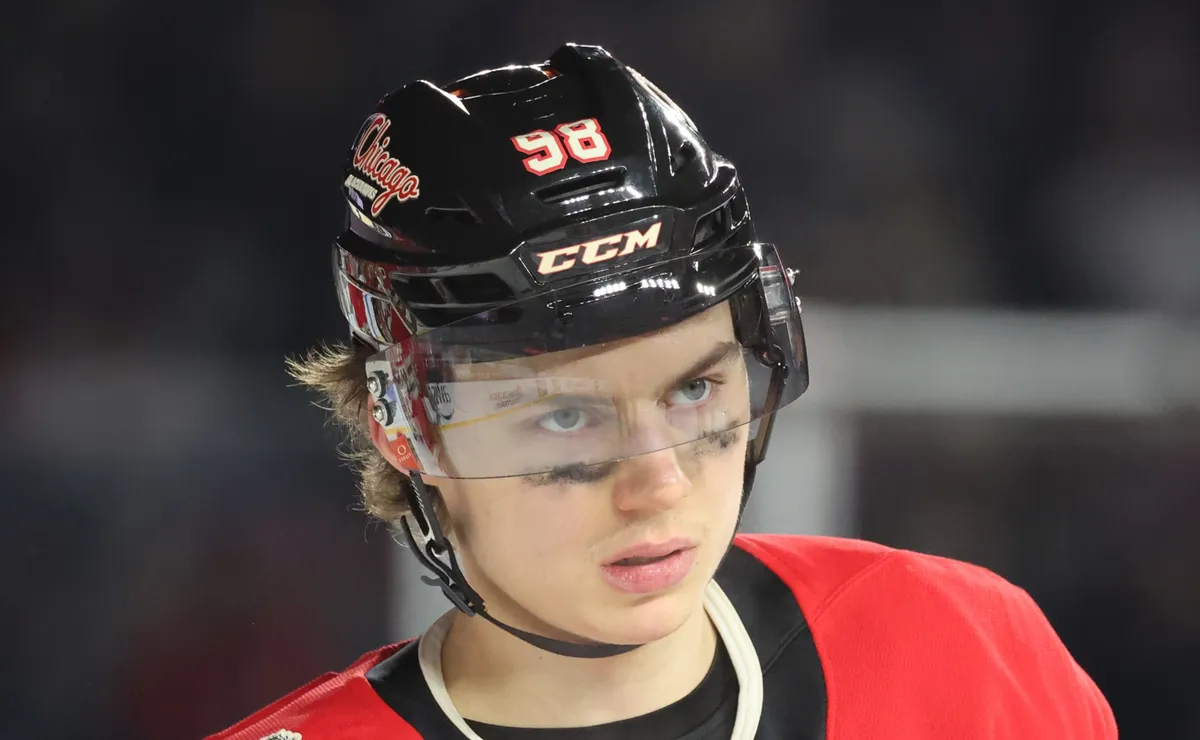
Source: Bolavip. Casualplayhub News adds summary, context, and editorial framing while linking back to the original report.
The Chicago Blackhawks are preparing for a season that will start without their brightest young star, Connor Bedard, and they have long accepted that reality. General manager Kyle Davidson and head coach Luke Richardson have structured their plans around a lineup that will initially feature no No. 98 on the ice. But that doesn't mean the team isn't thinking big. In fact, the Blackhawks are openly discussing the Stanley Cup Playoffs, a conversation that would have seemed far-fetched just a year ago. For those dreams to materialize, Bedard will need to be at his best when he does return.
Yet the temptation to hurry him back is a dangerous one, and recent developments had some fans biting their nails. Bedard was spotted practicing with veteran Patrick Kane and the rest of the squad at the Blackhawks Ice Center, wearing a non-contact jersey but still moving fluidly and even firing off a few shots. Social media lit up with speculation that the 21-year-old might be accelerating his recovery too quickly, risking a setback. A report from Scott Powers of The Athletic put those concerns to rest.
"From what I'm hearing, Connor Bedard's recovery is going as planned so far. He was expected to be skating at this point," Powers said on X. "He's obviously restricted in what he can do on the ice for now. Whether he's deemed ahead of schedule and can return earlier will be something the Blackhawks assess as his rehab progresses."
The injury occurred over the summer during an informal practice in Vancouver, Bedard's hometown. He suffered a left shoulder injury that required surgery. The procedure was successful, and the team set a four-month recovery timeline. Based on that schedule, Bedard is expected to miss the first month of the 2026-27 campaign, returning around November. But just two months post-surgery, he is already on the ice, a positive sign that he is hitting every milestone without shortcuts.
Health has become a recurring theme for the young center. The former first overall pick in the 2023 NHL Draft missed 13 games last season, bringing his total missed games across three NHL seasons to 27. He has played only one full 82-game campaign, in 2024-25. Those numbers raise legitimate questions about durability. However, the Blackhawks are not asking Bedard to chase the Ironman record. They want him to be a scoring machine whenever he is in the lineup.
A common misconception is that this shoulder problem is related to the "freak accident" that caused a right shoulder issue last season. It is not. This is his left shoulder, a completely separate injury. That distinction matters because it suggests Bedard's current rehab is not a consequence of being rushed back previously. The organization has no reason to err on the side of speed now. If anything, they have every incentive to be cautious.
Bedard's presence on the ice, even in a limited capacity, is a morale boost for the locker room and a message to the fan base that the future is still bright. But the Blackhawks are playing the long game. They know that a fully healthy Bedard in November is far more valuable than a half-ready Bedard in October. As the regular season approaches, expect Chicago to stick to the plan, monitor his progress closely, and resist any urge to accelerate a timeline that is, for now, perfectly on track.
Article commentary
The conversation around Connor Bedard's recovery underscores a delicate tension that every rebuilding franchise must navigate: the pull between competitive ambition and long-term player health. The Chicago Blackhawks are openly talking playoffs, a significant shift for a team that has endured a painful rebuild. Bedard is the centerpiece of that resurgence, and his absence for the season's opening month will test the depth Davidson has assembled. But the real test is the organization's discipline. Fan anxiety is understandable. Social media clips of Bedard skating and shooting two months after shoulder surgery naturally raise eyebrows. In an era of instant gratification, the fear that a franchise player might push too hard too soon is legitimate. However, the reporting from Scott Powers, a trusted insider, offers a necessary dose of reality: Bedard is exactly where the medical staff expected him to be. The team has a protocol, and he is following it. What makes this situation different from other high-profile rushed recoveries is the nature of the injury itself. Bedard's left shoulder problem is unrelated to his previous right shoulder issue. That historical separation should give the Blackhawks confidence that this is not a recurring weakness being aggravated by premature returns. They have no precedent of rushing him back to cover for a previous mishap. That clean slate allows a more measured approach. Still, Bedard's injury history cannot be ignored. Missing 27 games in three seasons is a red flag for a 21-year-old who has barely scratched the surface of his prime. The Blackhawks signed him to a long-term deal believing he will be a core piece for a decade, but durability concerns will cling to him until he strings together multiple healthy seasons. The organization's priority must be conditioning and load management, not chasing early-season wins that might not matter in April. The broader lesson here is about the economics of star players in the NHL. A single premature return can cost a team years of contention. The Blackhawks have seen caution pay off with other young players in the past, and they have the organizational patience to apply that same logic to Bedard. While fans crave immediate competition, the smart play is to wait. If Chicago is genuinely a playoff contender, they should be able to tread water for a month without their top center. If they cannot, then they are not ready anyway. In the end, the Bedard rehab story is less about his shoulder and more about the culture the Blackhawks are building. A team that resists the urge to fast-track its superstar sends a message: long-term success comes from smart, steady processes. That philosophy, more than any single player, will determine whether Chicago returns to glory or remains stuck in the middle.