Steelers Rookie Max Iheanachor Hit by $150K Home Burglary
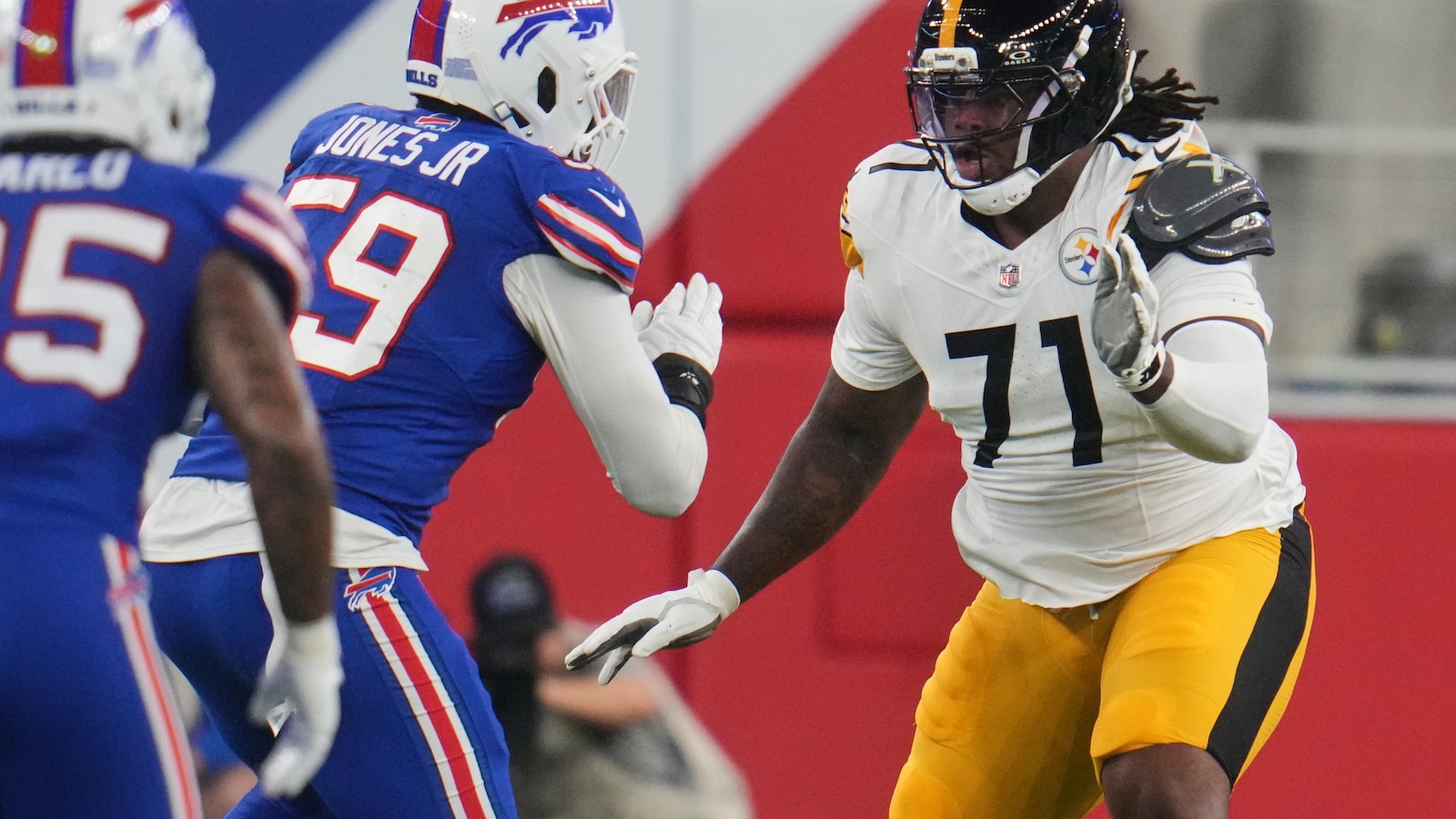
Source: ABC News Sports. Casualplayhub News adds summary, context, and editorial framing while linking back to the original report.
A troubling off-field event has disrupted the preparation of Pittsburgh Steelers rookie offensive tackle Max Iheanachor. According to multiple reports, the first-round pick’s residence was burglarized on August 26, with stolen merchandise valued at no less than $150,000. The theft occurred just one day before the Steelers were scheduled to face the Buffalo Bills in a preseason matchup.
Iheanachor, whom the Steelers selected with the 21st overall pick in the 2026 NFL Draft out of Arizona State, has already been navigating a challenging start to his professional career. An undisclosed injury forced him to miss a significant portion of training camp, limiting his on-field reps and integration with the first-team offense. Nevertheless, he has earned a spot on the depth chart as the backup right tackle heading into the regular season opener against the Atlanta Falcons on Sunday.
The burglary adds a personal layer of difficulty for the young athlete. While the team and local law enforcement have not disclosed further details about the investigation, the incident highlights the vulnerability professional athletes often face when their routines and schedules are widely known. Preseason travel creates predictable gaps in home security, and criminals have increasingly targeted players’ residences during games or road trips.
Iheanachor’s situation mirrors a broader trend across the NFL, where burglaries of players’ homes have become more frequent in recent years. The league has issued advisories and partnered with security firms to educate players on protective measures, but the problem persists. For a rookie already dealing with the physical and mental demands of transitioning to the pro level, the loss of personal property and sense of security can be a significant distraction.
The Steelers organization has not issued an official statement beyond confirming the reports, but sources indicate the team is providing support services to Iheanachor. Teammates and coaches have rallied around him, emphasizing the importance of staying focused on football while handling personal matters off the field.
As of September 8, 2026, no arrests have been made public. The incident serves as a stark reminder that even the most promising careers can be sidetracked by unforeseen events. Iheanachor will aim to channel his focus into Sunday’s game, where he hopes to contribute to a team eager to start the season strong. Whether he plays a significant role against Atlanta remains to be seen, but his resilience will be tested both on and off the gridiron.
Article commentary
The burglary at Max Iheanachor’s home is more than a singular crime; it reflects a persistent issue within professional sports. Athletes, particularly high-profile rookies, often become targets because their schedules are publicized, and their homes may lack the robust security systems that seasoned veterans eventually install. The timing of this incident—on the eve of a preseason road game—is particularly telling. Criminals likely monitor team travel schedules, knowing that players will be away for extended periods. From a security perspective, the NFL and individual teams have ramped up awareness campaigns over the past decade. Yet the frequency of these burglaries suggests that education alone is insufficient. Players need proactive measures such as monitored alarms, safe rooms, and perhaps even temporary security details during known absences. The league could also work with local police departments to increase patrols in neighborhoods where players reside, especially during game days. For Iheanachor, the psychological toll may prove more disruptive than the financial loss. As a rookie already battling an injury that limited his training camp, he now faces the added burden of rebuilding a sense of safety in his own home. The Steelers’ support system will be critical. Teams often have player engagement directors or life skills coordinators who can help with insurance claims, temporary housing, and counseling. How the organization handles this could set a precedent for its culture of player care. Another angle worth considering is the role of social media. Many players inadvertently reveal their locations by posting real-time updates or sharing photos that geotag their homes. Iheanachor, like many young athletes, may not have been fully aware of these risks. Education around digital footprints should become part of rookie orientation programs. Financially, $150,000 is a substantial sum, but for a first-round draft pick’s signing bonus and salary, it is not devastating. Yet the emotional weight of losing personal items—perhaps gifts, memorabilia, or irreplaceable possessions—cannot be measured in dollars. The public nature of the coverage also adds pressure; Iheanachor must now answer questions about the burglary while preparing for his NFL debut. Looking ahead, this incident should prompt a broader conversation about athlete security across all major sports. While the NFL has taken steps, the problem remains systemic. Until clubs mandate comprehensive security protocols and provide resources upfront, players will continue to be vulnerable. Iheanachor’s case is a cautionary tale, but it also offers an opportunity for the league to strengthen its approach. For now, the rookie must compartmentalize, focus on football, and trust that the legal system will pursue the perpetrators. His performance against Atlanta will be watched not just for football skill but for his mental fortitude in the face of adversity.