Could Kyrie Irving Be the Missing Piece for Miami Heat?
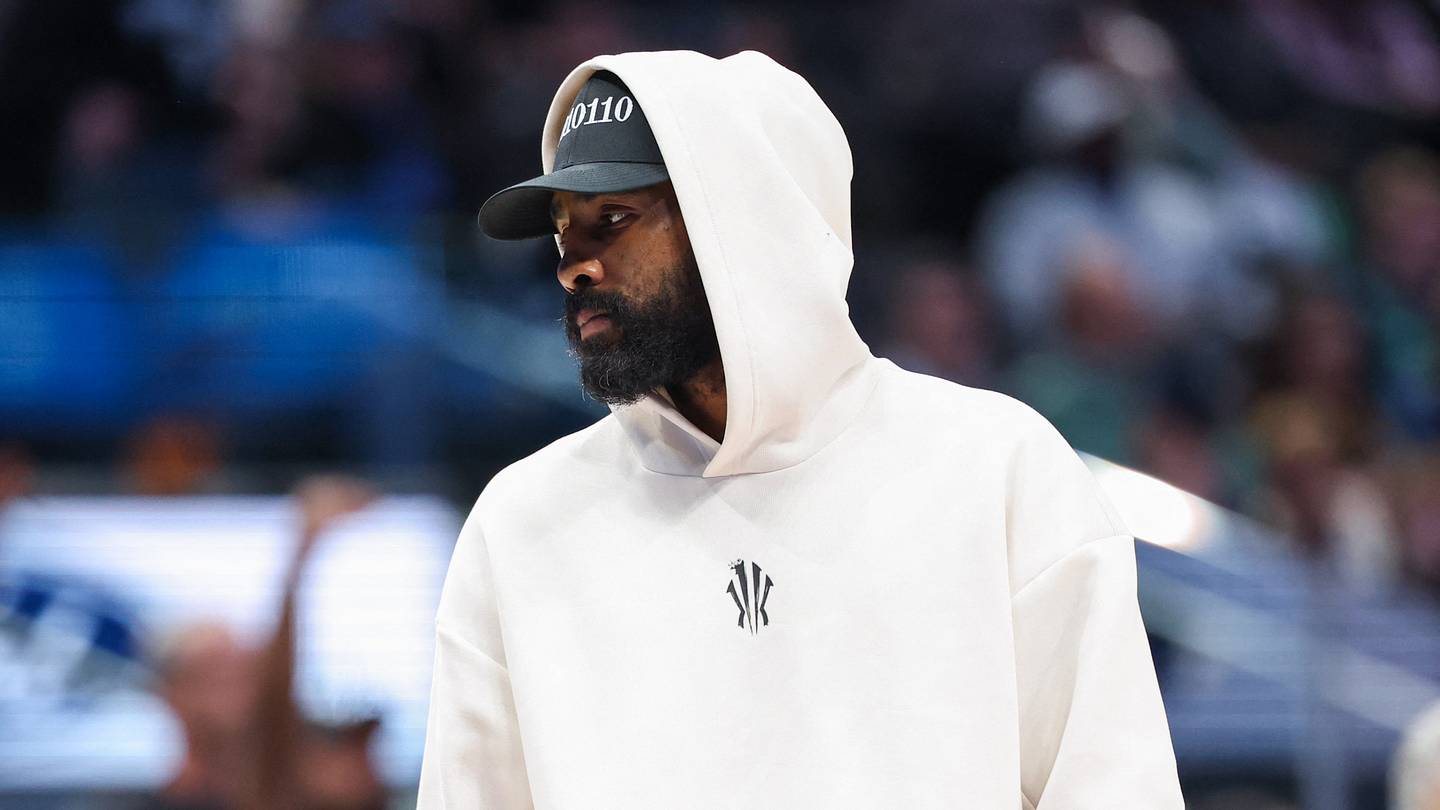
Source: SI NBA. Casualplayhub News adds summary, context, and editorial framing while linking back to the original report.
The Miami Heat have turned heads this summer with a roster overhaul that landed them Giannis Antetokounmpo, a top-three player in the league, via a stunning trade. Combined with the existing core of Bam Adebayo and the addition of Andrew Wiggins, the Heat now boast what many consider the best frontcourt trio in the Eastern Conference. They also addressed their need for perimeter shooting by signing Klay Thompson and Tim Hardaway Jr. Yet even with these upgrades, a nagging question persists: who will be the primary shot creator and ball handler when the game slows down and half-court execution becomes paramount?
In the postseason, when defenses tighten and first options get snuffed out, the Heat could find themselves scrambling for offense in the final moments of the shot clock. Giannis is a freight train going downhill, but he is not a natural perimeter initiator. Adebayo is a versatile big man but often forced to manufacture his own looks against set defenses. That is where Kyrie Irving, currently with the Dallas Mavericks, enters the conversation as a tantalizing hypothetical.
Irving, despite a season cut short by injury, was still performing at an elite level, averaging roughly 25 points, five rebounds, and 4.6 assists while shooting 40 percent from three-point range. These numbers underscore that his value is not based on nostalgia—he remains one of the most gifted one-on-one scorers in the game. His ability to create separation, knock down pull-up jumpers, and finish around the rim would instantly give Miami a go-to option in crunch time.
Of course, the Mavericks are not currently shopping Irving. They are in a rebuilding phase, and moving a veteran star might not align with their immediate plans. But the NBA landscape is notoriously fluid. Teams that start a season in one direction often pivot as opportunities arise. If Dallas decides to prioritize its younger core and make Irving available—whether via trade or a buyout—Miami would be wise to act.
The potential fit with Giannis is especially intriguing. Picture a Kyrie-Giannis pick-and-roll: if the defender goes under the screen, Irving can rise for a three. If the defender goes over, Irving uses his quickness to get into the paint, drawing a help defender and opening a lane for Giannis to roll or pop. This two-man game would create advantages for everyone on the floor, reducing the need for Giannis to shoulder every offensive possession during the regular season and deep into the playoffs.
Adebayo would also benefit significantly. Throughout his career, Bam has thrived in two-man actions with guards, from Kyle Lowry to Goran Dragic. But Irving brings a different level of shooting gravity and creative force. Defenders cannot sag off Irving, which means Adebayo would face less traffic when operating in the short roll or diving to the rim. Instead of being asked to create offense out of nothing, Bam could focus on finishing plays and making quick decisions.
There is also Irving's championship pedigree. He has hit one of the most memorable shots in NBA Finals history, playing alongside LeBron James. He has proven he can share the floor with a dominant star without diminishing his own impact. That experience is invaluable for a Heat team with title aspirations.
Is this scenario guaranteed? No. But the logic is sound. Miami has one open roster spot and a clear need. Kyrie Irving, when healthy and focused, could be the perfect solution to the one weakness this revamped Heat roster still faces.
Article commentary
This analysis makes a compelling case for Kyrie Irving as a missing piece for the Miami Heat, but it also raises several legitimate questions about feasibility, chemistry, and risk. On paper, the fit is nearly ideal. Irving’s elite ball-handling and isolation scoring directly address the Heat’s most glaring weakness: shot creation outside of Giannis Antetokounmpo. In a playoff environment where half-court offense often devolves into one-on-one situations, having a player who can manufacture a quality look with the shot clock winding down is invaluable. However, the article overlooks the substantial hurdles involved. First, the Dallas Mavericks have publicly stated they are not looking to trade Irving. While situations can change, banking on a mid-season availability is speculative at best. Second, Irving’s history of off-court distractions and missed games due to injury or personal reasons cannot be dismissed. The Heat have built a culture of discipline and accountability under Pat Riley and Erik Spoelstra. Integrating a player with Irving’s reputation requires careful navigation, even if he has shown professional behavior of late. Another angle worth exploring is the financial aspect. Miami already has significant salary commitments, and acquiring Irving would likely require sending out matching salary—potentially disrupting the roster depth they just built. The idea of a buyout is possible but rare for a player of his caliber. Yet, the core basketball logic remains strong. The comparison to Kyle Lowry is instructive: Lowry was a steady hand, but Irving offers a dynamic scoring punch that Lowry never possessed. The Kyrie-Giannis pick-and-roll could be devastating, especially if opponents are forced to respect Irving’s shooting. For Adebayo, the reduction in offensive burden could unlock more efficient scoring and better defensive focus. Ultimately, this is a thought experiment rooted in realistic team needs rather than wild speculation. The Heat would be wise to monitor Irving’s situation closely. If a window opens, the reward—a championship-caliber creator—justifies the risk. But the analysis would benefit from acknowledging that Miami’s current roster, with Thompson, Hardaway, and Wiggins, might already have enough creation if those players stay healthy. Irving would be a luxury, not a necessity. Still, in the arms race that is the NBA, luxuries can decide titles.