Bully Ray Critiques 946's Car Fire Angle on WWE Raw
Source: Wrestling Inc.. Casualplayhub News adds summary, context, and editorial framing while linking back to the original report.
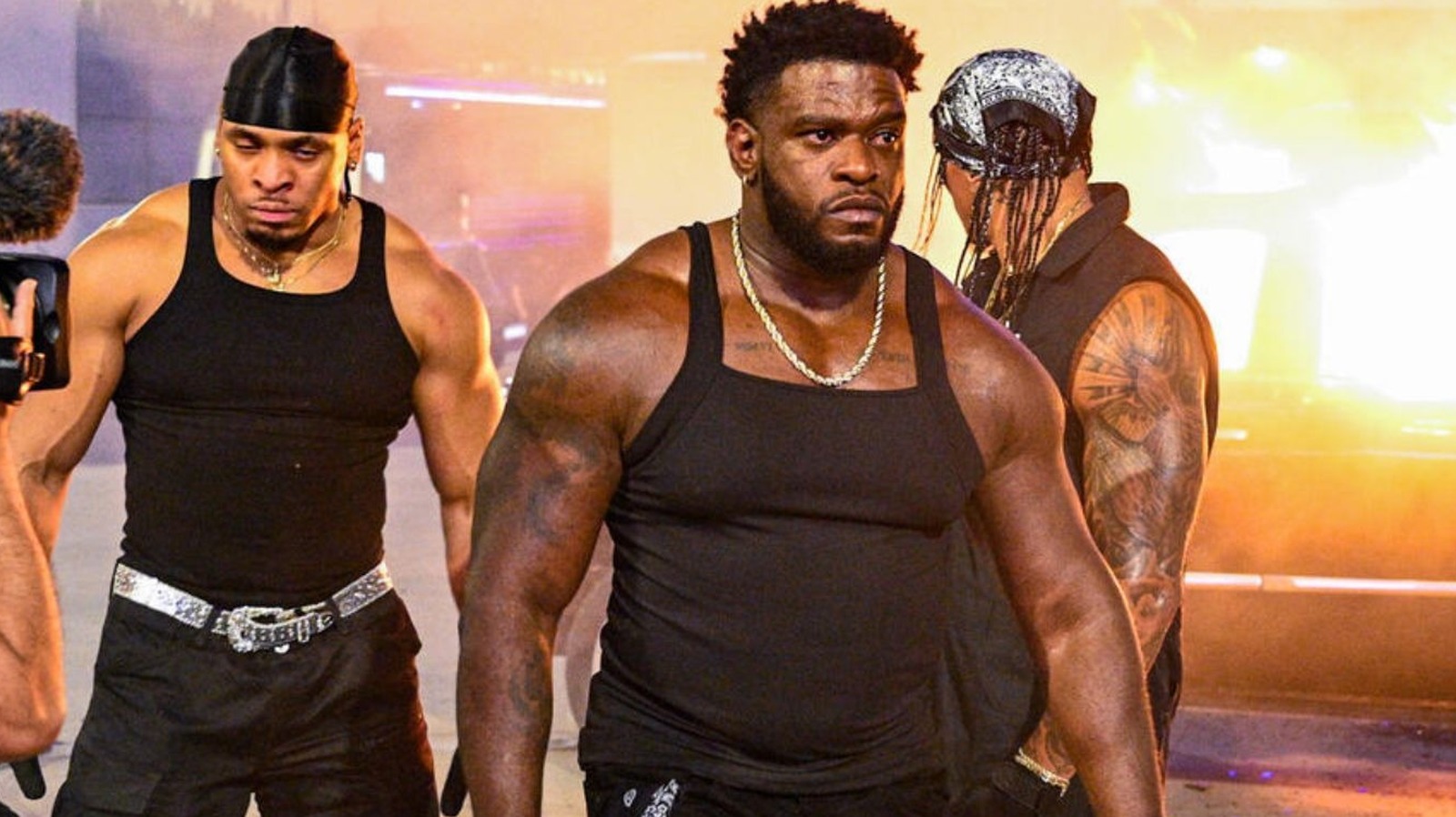
WWE Hall of Famer Bully Ray has offered a mixed review of how the new faction 946 was presented on the September 9 episode of WWE Raw, singling out one specific moment that failed to resonate with him. Speaking on Busted Open Radio alongside co-host Dave LaGreca, the former tag team champion dissected the angle that saw Royce Keys, Bronco Nima, and Lucien Price—collectively known as 946—torch the car belonging to the Usos and Jacob Fatu.
Ray began by acknowledging that the vignettes leading up to the fiery conclusion were effective, building suspense and establishing the group as a menacing presence. However, his enthusiasm waned when the camera focused on the burning vehicle. “Is there anything that immediately popped into your head when you saw the car on fire?” Ray asked LaGreca. “It’s Vince McMahon’s WWE 101 … Why should I feel bad about somebody’s car being lit on fire?”
The veteran wrestler argued that while 946 certainly looked like “bad mother truckers” during the act, the staging failed to give the audience a clear reason to despise them. Without a deeper emotional hook—such as a personal betrayal or a threat to a beloved character—the destruction felt hollow, he said. “You’re showing me a bunch of guys being tough guys, but there’s no context. Why is this any different from a random act of vandalism?”
Despite that criticism, Ray was quick to praise the faction’s overall potential. He noted that 946 has already made a significant impact in their feud with the Bloodline, having beaten down the Usos, Solo Sikoa, and LA Knight multiple times over recent weeks. Keys’ return, along with the addition of OTM from WWE NXT, has revitalized the storyline and injected new energy into the tag team division.
Looking ahead, Ray emphasized the importance of maintaining the group’s dominance. “They have to continue to beat down the Usos and Fatu. They cannot look weak—not even for a second,” he said. The six-man tag match that seems inevitable is just the beginning, in his eyes. “What they also gain in these six guys being a story with each other are tag matches between OTM and the Usos. Singles matches with Jacob and Royce, which eventually will become a big deal, or should become a big deal.”
Ray sees immense storytelling potential if the creative team plays its cards right. He speculated that other wrestlers could get caught in the crossfire, adding layers to the narrative. “There’s a lot of good story there. Now, will anybody be caught in the crosshairs from this? … Remains to be seen. So far, so good with 946,” he concluded.
The September 9 edition of Raw marked a turning point for the faction, with the car fire serving as a dramatic exclamation point. However, Ray’s critique highlights a persistent challenge in modern professional wrestling: how to make violence feel meaningful rather than gratuitous. For 946, the road ahead will depend on whether they can transform shock value into genuine emotional investment from the audience.
If you use any quotes from this article, please credit Busted Open Radio and provide a h/t to Wrestling Inc. for the transcription.
Article commentary
Bully Ray’s critique of the 946 car fire angle on WWE Raw cuts to the heart of a long-standing tension in professional wrestling: the difference between spectacle and storytelling. While the visual of a burning car certainly grabs attention, it does not automatically generate the emotional buy-in that makes a feud memorable. Ray’s observation that viewers were given no clear reason to hate the perpetrators is a valid one. In classic wrestling psychology, heat is earned through character actions that affect the audience’s favorites in a personal way—attacks on family members, betrayals, or underhanded victories. Here, the destruction of property, while dramatic, feels disconnected from the characters’ motivations. What makes Ray’s commentary valuable is his ability to separate the moment from the larger angle. He praises the faction’s look, intensity, and build-up, suggesting that the overall presentation is strong. This nuance is often missing in wrestling analysis, where critics either love or hate an entire segment. Ray acknowledges that 946 has already established credibility through repeated beatdowns and that the car fire could have worked if framed differently—perhaps with a more personal stake, like a threat to family members or a symbolic attack on the Usos’ legacy. The reference to “Vince McMahon’s WWE 101” is telling. Car fires, explosions, and property damage have been staples of WWE storytelling for decades, but they often lack the character depth that separates great angles from forgettable ones. In an era where fans demand more sophisticated narratives—or at least emotional resonance—such tropes can feel dated. Ray’s critique invites the creative team to ask: Are we giving the audience a reason to care beyond the visual shock? On the other hand, one could argue that the car fire served its purpose: it created a memorable image and escalated the feud in a clear, irreversible way. The Usos and Jacob Fatu will now have tangible motivation for revenge, and the stakes feel higher. The question is whether that motivation translates into compelling matches and promos. Ray’s optimism about the potential tag matches and singles bouts suggests he believes the core story is sound. His call for continued dominance by 946 is also pragmatic—a new faction’s heat dissipates quickly if it loses momentum or looks vulnerable too soon. From a broader perspective, this debate underscores the challenges facing WWE’s creative team. Balancing modern storytelling sensibilities with the old-school need for heat is no easy task. The Bloodline saga has been one of the most layered narratives in wrestling history, and introducing a competing faction like 946 requires careful handling to avoid dilution. Ray’s comments are not a condemnation but a constructive critique aimed at elevating the product. If the writers take his advice to heart, they could turn a flawed moment into the foundation of a memorable storyline. Ultimately, the success of 946 will depend on what happens next. A car fire is a hook—not the entire story. The test will be whether the creative team builds on that hook with meaningful character development, strong promos, and matches that deliver. For now, Ray’s “so far so good” assessment feels appropriate, with the caveat that excellence requires more than just fire and fury.