Colombia Earthquake Death Toll Climbs as Rescue Teams Race Against Time
Source: CBS News World. Casualplayhub News adds summary, context, and editorial framing while linking back to the original report.
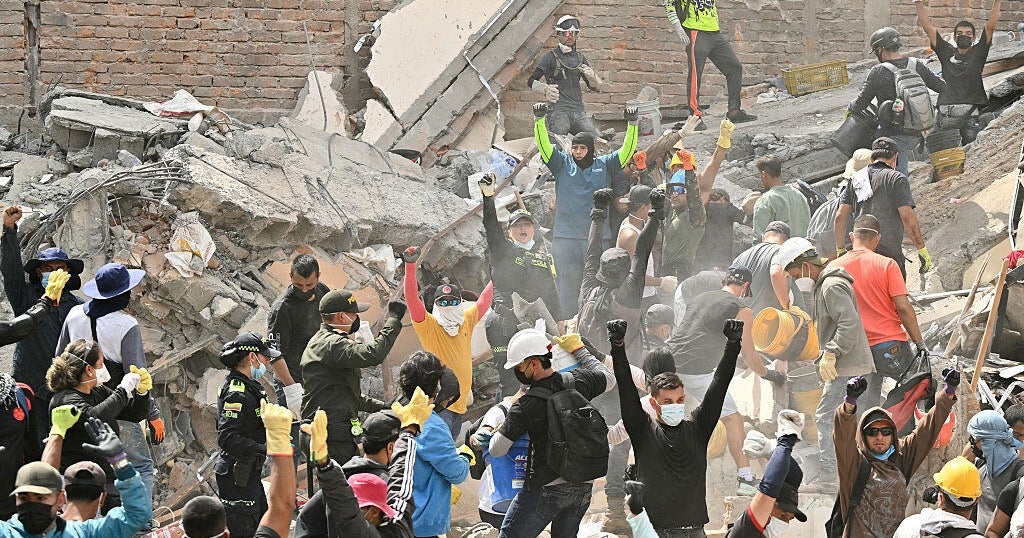
The death toll from the devastating 7.4 magnitude earthquake that struck western Colombia has risen to at least 111, with rescue teams racing against time to find survivors amid the twisted wreckage of collapsed buildings and shattered infrastructure. The powerful temblor, which hit early Tuesday, has left a trail of destruction across several provinces, razing homes, buckling highways, and crushing cars under tons of concrete and steel.
In the hardest-hit areas, rescue workers are digging through the rubble with their bare hands, using flashlights and listening devices to detect any signs of life. The desperate search has been punctuated by moments of relief: a baby was pulled alive from the debris, her tiny cries cutting through the silence of the disaster zone. Emergency crews, many of them volunteers, have been working around the clock, exhausted but unwilling to give up hope.
Aid from regional partners has begun to flow into the country. On Wednesday, a convoy of trucks carrying food, water, medical supplies, and heavy equipment crossed the border from Ecuador, while planes from Peru and Brazil delivered shelter materials and field hospitals. The international community has rallied behind Colombia, with offers of assistance pouring in from across Latin America and beyond.
The earthquake has become an early test for Colombia's new president, Abelardo de la Espriella, who took office just weeks ago. The young leader has been thrust into a crisis that demands swift action and calm leadership. He has visited the affected zones, speaking with survivors and directing the national emergency response. In a televised address, he vowed to rebuild the devastated communities and ensure that no family is left behind.
Yet the challenges are immense. The quake has destroyed critical infrastructure, cutting off roads and damaging communication networks. Many remote villages remain inaccessible, forcing authorities to airlift supplies by helicopter. Hospitals are overwhelmed, and makeshift triage centers have been set up in schools and sports fields. The death toll is expected to rise further as search teams reach more isolated areas.
Geologists warn that aftershocks could continue for days, complicating rescue efforts and raising the risk of further collapses. Officials have urged residents to remain vigilant and avoid damaged structures. The psychological toll is also mounting: families wait anxiously for news of missing loved ones, while survivors sift through the ruins of their homes.
Despite the devastation, there are stories of resilience. Neighbors have formed human chains to pass debris, and local businesses have donated food and water. The rescue of the baby, buried for hours under a collapsed wall, has become a symbol of hope. "We heard a faint cry," said one rescuer. "We dug and dug until we found her. She was alive, and that is all that matters."
President de la Espriella has promised a full investigation into building codes and emergency preparedness, acknowledging that the tragedy could have been less severe with stricter enforcement. His government is now focused on the immediate relief phase, but the long road to recovery is just beginning.
Article commentary
The earthquake in western Colombia is a stark reminder of the vulnerability of nations situated along the Pacific Ring of Fire, where tectonic activity is a constant threat. The 7.4 magnitude quake, while powerful, is not unprecedented for the region, yet its impact has been magnified by the fragility of infrastructure in many rural areas. The death toll, already at least 111, reflects not only the force of nature but also the socio-economic disparities that leave poorer communities disproportionately exposed to disaster. President Abelardo de la Espriella faces a defining moment early in his tenure. How he manages the crisis will shape public perception of his administration. The initial response appears to be a mix of competence and chaos: aid has arrived quickly from neighboring countries, but domestic rescue efforts have been hampered by damaged roads and communication blackouts. The president's decision to visit the affected zones and speak directly to survivors is a positive step, but the real test lies in the weeks and months ahead as the focus shifts from rescue to reconstruction. There is also a geopolitical dimension to consider. The earthquake has prompted a wave of regional solidarity, with Ecuador, Peru, and Brazil offering immediate assistance. This cooperation is a welcome contrast to the often fractious relations between Latin American nations. However, the disaster also exposes Colombia's dependence on international aid for large-scale emergencies, raising questions about the country's own disaster preparedness and investment in resilient infrastructure. The rescue of a baby from the rubble has captured global attention, providing a human-interest story that softens the grim narrative of loss. Such moments are important for morale, but they should not obscure the systematic failures that allowed so many buildings to collapse. Colombia has building codes, but enforcement is weak, especially in remote areas where informal construction is common. The government must now conduct a thorough review and implement stricter regulations to prevent future tragedies. Looking ahead, climate change and urbanization are likely to increase the frequency and severity of such disasters. Colombia, like many developing nations, must balance economic growth with the need for resilient infrastructure. The earthquake serves as a wake-up call not just for the country, but for the entire region. The response to this tragedy will set a precedent for how Latin America handles future natural disasters. The world is watching, and the lessons learned here could save countless lives in the years to come.